Featured News: Catastrophic Glue Factory Blast in Faisalabad Kills 18, Injures Dozens; Gas Leak Suspected Amid Safety Concerns
A devastating Faisalabad factory blast ripped through a glue-making facility in Pakistan’s eastern Punjab province early Friday morning, killing at least 18 people and injuring dozens more. The devastating explosion, which occurred in the Malikpur area of Faisalabad, also caused extensive damage to nearby homes, underscoring recurring concerns about industrial safety standards in the country. This Faisalabad factory blast is a stark reminder of the dangers inherent in many industrial settings.
Faisalabad Factory Blast: A Devastating Incident
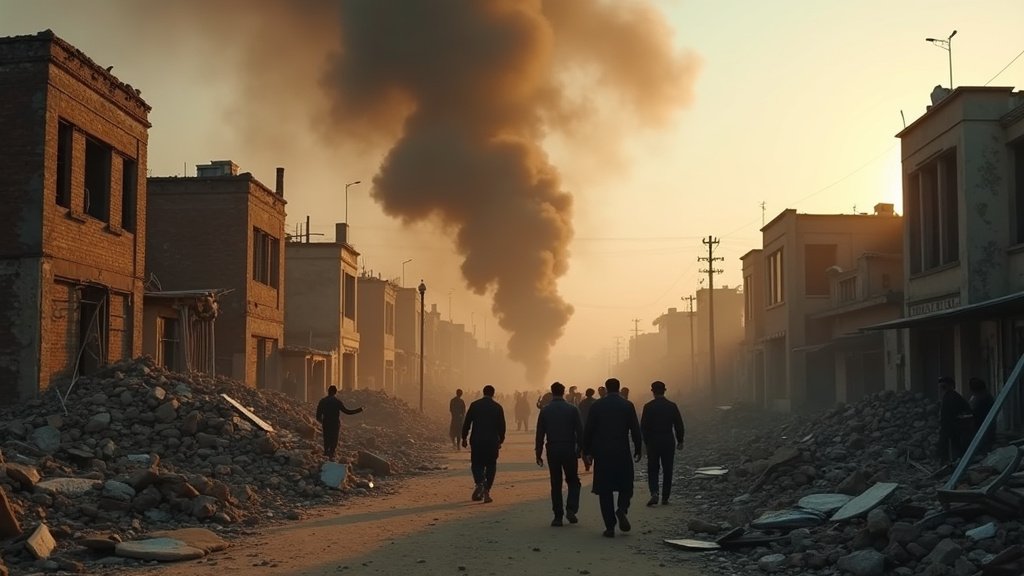
The incident unfolded around 5 AM local time on Friday, November 21, 2025, when a powerful explosion erupted at the Dyes Chemical Glue Factory. The blast was so intense that it completely flattened the factory building and sent shockwaves through the densely populated residential neighborhood. In its immediate aftermath, rescue teams worked tirelessly for hours to pull bodies and survivors from the extensive rubble. Local administrator Raja Jahangir Anwar described the scene as catastrophic, with many initial witnesses mistaking the explosion for a bomb or projectile, highlighting the sheer force of the Faisalabad factory blast.
The Human Toll and Community Impact of the Faisalabad Factory Blast
The explosion claimed the lives of at least 18 individuals, with initial reports suggesting numbers closer to 15, but later updates confirming the higher fatalities. Sources indicated 19 deaths, with one FIR mentioning 20 victims. In addition to the deceased, over 21 people sustained injuries, some critically, and were transported to local hospitals, including Allied Hospital, for treatment following the Faisalabad factory blast.
The tragedy extended beyond the factory walls. The force of the blast caused significant structural damage to at least seven nearby houses, with the roofs of several homes collapsing. Tragically, a family of four, including a husband, wife, and their two young children, perished when their home caved in. Victims included not only factory workers but also local residents who lived in close proximity to the industrial unit. The explosion also ignited a substantial fire that quickly engulfed the factory premises, further complicating firefighting efforts due to the presence of chemical materials, a common hazard in a glue factory accident.
Unraveling the Cause: Gas Leak Suspected in Faisalabad Factory Blast
Initial reports suggested a faulty boiler might have been responsible for the explosion. However, subsequent investigations and official statements from the Faisalabad Commissioner’s office later confirmed that a gas leak explosion was the probable cause of the catastrophic event. It was clarified that no boiler was present at the site, and a fire erupted due to a gas leakage, which then spread to other connected factories in the area, a common scenario in such industrial incidents.
Emergency Response and Ongoing Investigations into the Faisalabad Factory Blast
Emergency services, including ambulances and fire tenders, were swiftly deployed to the scene to manage the crisis. The Punjab government, led by Chief Minister Maryam Nawaz Sharif, expressed deep sorrow over the loss of life and directed authorities to ensure the highest standard of medical care for the injured. Punjab Inspector General of Police Usman Anwar called for full cooperation among all emergency response agencies following the Faisalabad factory blast.
An investigation into the incident is actively underway. A five-member inquiry committee has been constituted to probe the exact cause of the gas leak, assess responsibility, and determine how construction permits allowed the factory to operate in a residential area, violating building laws, a common failing in industrial safety Pakistan.
Factory Owner and Manager Arrested Following Faisalabad Factory Blast
Authorities have taken action against those responsible for the factory’s operations. The factory manager, identified as Bilal Imran or Bilal, has been arrested. The factory owner arrested, identified as Qaiser or Qaiser Chughtai, who reportedly fled the scene shortly after the blast, was later apprehended, indicating accountability for the Faisalabad factory blast.
A Recurring Tragedy: Pakistan’s Industrial Safety Concerns Highlighted by Faisalabad Factory Blast
This recent disaster in Faisalabad adds to a grim pattern of industrial accidents in Pakistan, frequently attributed to poor safety standards and inadequate regulatory enforcement. The factory’s operation within a residential zone, in contravention of building regulations, highlights systemic failures in urban planning and industrial oversight, making this Faisalabad factory blast sadly unsurprising to some.
This incident follows other significant accidents in the region. In 2024, a similar boiler explosion at a textile mill in Faisalabad injured a dozen workers. Just the previous week, a blast at a firecrackers factory in Karachi claimed four lives. These recurring events underscore the urgent need for stricter adherence to safety protocols and more robust enforcement mechanisms across Pakistan’s industrial sector, especially concerning potential gas leak explosions.
Looking Ahead: Calls for Stricter Regulations After Faisalabad Factory Blast
The Faisalabad factory blast has amplified calls for immediate and decisive action to prevent future tragedies. Concerns have been raised by labor organizations demanding improved working conditions and substantial compensation for victims’ families. The incident serves as a stark reminder of the human cost associated with lax industrial safety measures and the critical importance of safeguarding both workers and communities from preventable hazards. As investigations continue, stakeholders are keenly watching for reforms that will address the deep-rooted issues plaguing Pakistan’s industrial safety landscape, hoping to prevent another Punjab factory blast.


Related Posts