Tech Giants Invest Billions in AI; Nvidia Tackles Chip Smuggling as Global Dynamics Shift
Technology news today features major global shifts, with significant **AI Infrastructure Growth** driving substantial investments and shaping key technological advancements. Chip geopolitics is also a critical focus. Regulatory pressures are mounting, prompting major tech companies to expand their capabilities and invest heavily in AI data centers. Cloud expansion remains a top priority, while concerns about public health and data security are growing. Geopolitics, energy markets, and policy now profoundly influence the tech landscape, highlighting the interconnectedness of **AI Infrastructure Growth** and global dynamics.
The Expanding Landscape of AI Infrastructure Growth
Microsoft announced a major investment in India, committing $17.5 billion over four years to boost cloud and AI infrastructure and support skilling initiatives. This represents Microsoft’s largest commitment in Asia. CEO Satya Nadella discussed plans with Prime Minister Modi to integrate AI into public platforms, benefiting millions of informal workers and driving India’s AI ambitions. Microsoft also expands its AI skills training, aiming to equip 20 million Indians by 2030, further contributing to global **AI Infrastructure Growth**. This significant Microsoft India investment underscores the worldwide push for advanced technological capabilities.
Nvidia’s Role in AI Infrastructure and Chip Verification
Nvidia is introducing new technology capable of verifying the physical location of its AI chips, a feature designed to help enforce chip export restrictions. This optional software agent, installable on their GPUs, uses confidential computing capabilities to infer location via network latency. Nvidia markets this as a fleet management tool, which will debut on Blackwell chips. This development responds to US demands against chip smuggling and aims to monitor AI GPU fleets, impacting the trajectory of **AI Infrastructure Growth**. The focus on Nvidia chip verification is a direct response to concerns surrounding chip export restrictions and continues the trend of significant AI infrastructure investment.
Global Tech Dynamics and Chip Smuggling Concerns in AI Infrastructure Growth
Chip smuggling is a major concern, with illegal export rings being prosecuted for allegedly smuggling Nvidia chips worth millions. The US aims to maintain its tech leadership through evolving export rules, impacting the market. While the US approved some Nvidia H200 chip exports to China, with a 25% revenue share going to the US government, Chinese tech giants are showing interest. ByteDance and Alibaba reportedly want H200 chips, vital for AI model training. However, China’s regulators may limit their access, prioritizing technological self-sufficiency and potentially linking chip purchases to domestic chip use. These complex global tech dynamics are intricately linked to the pace of **AI Infrastructure Growth** and contribute to the ongoing discussion around **chip smuggling concerns**.
The Scale of AI Data Centers and Infrastructure Investment driving AI Infrastructure Growth
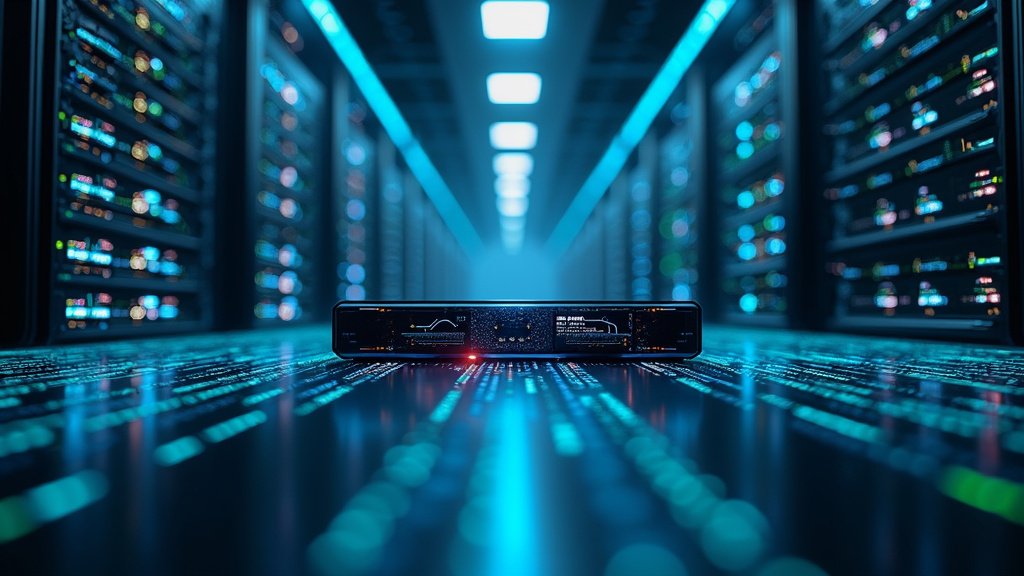
Global AI infrastructure is experiencing rapid expansion, with investments totaling billions of dollars. Goldman Sachs forecasts $736 billion for AI infrastructure by 2026, while Morgan Stanley predicts $2.9 trillion by 2028. This remarkable **AI Infrastructure Growth** fuels an immense demand for data centers, which are increasingly becoming “AI factories” integrating specialized processors and data pipelines. Hybrid cloud architectures are now standard, combining cloud and on-premises resources. Geopolitical shifts also affect chip manufacturing, with Taiwan and the US being key hubs for chip packaging, a significant trend in industry consolidation and a driver for continued **AI Infrastructure Growth**. This highlights the scale of AI data centers and the necessary AI infrastructure investment.
Data Security in Healthcare and the Impact of AI Infrastructure Growth
Data security and public health are critical concerns, especially within the healthcare sector, which faces increasing cyber threats. In 2024, numerous data breaches compromised millions of records. HIPAA regulations are being updated with mandatory multi-factor authentication and enhanced data encryption to protect electronic Protected Health Information (ePHI), addressing telemedicine growth and cyberattacks. These measures are crucial as AI data centers handle sensitive information. The rise in ransomware incidents in healthcare necessitates stricter security protocols, risk analyses, regular audits, and vendor oversight, all of which are essential for secure **AI Infrastructure Growth**.
Energy Sector Tech Impact and AI Infrastructure Demands in AI Infrastructure Growth
The energy sector is also experiencing significant impacts, with data center growth driving electricity demand. This necessitates robust support for clean power amidst volatile commodity prices and market uncertainty fueled by trade tensions. The energy transition is progressing unevenly, with low-emission power showing progress, though carbon capture faces hurdles. China leads in solar and wind power adoption, with emerging economies increasing their use. The immense demand from AI data centers influences energy prices, potentially raising natural gas and electricity costs in the US, underscoring the broad reach of **AI Infrastructure Growth** and its implications for the energy sector tech impact.
Recent technology news reveals a deeply connected world where tech, geopolitics, and energy are intricately linked. These factors will collectively shape future innovation and the continued trajectory of **AI Infrastructure Growth**. The latest featured technology news highlights rapid progress alongside significant global challenges and the vital role of cloud expansion in this era.


Related Posts