Moscow Seeks Art’s Refuge: Culture Flourishes Amidst War News
Muscovites are flocking to art. They seek culture to escape war. This trend is recent news. It offers a vital refuge. The conflict in Ukraine continues. It has entered its fourth year. This reality weighs heavily. Many Russians feel its impact. They turn to museums and concerts. High culture offers a distraction. It provides a form of solace.
A Surge in Attendance
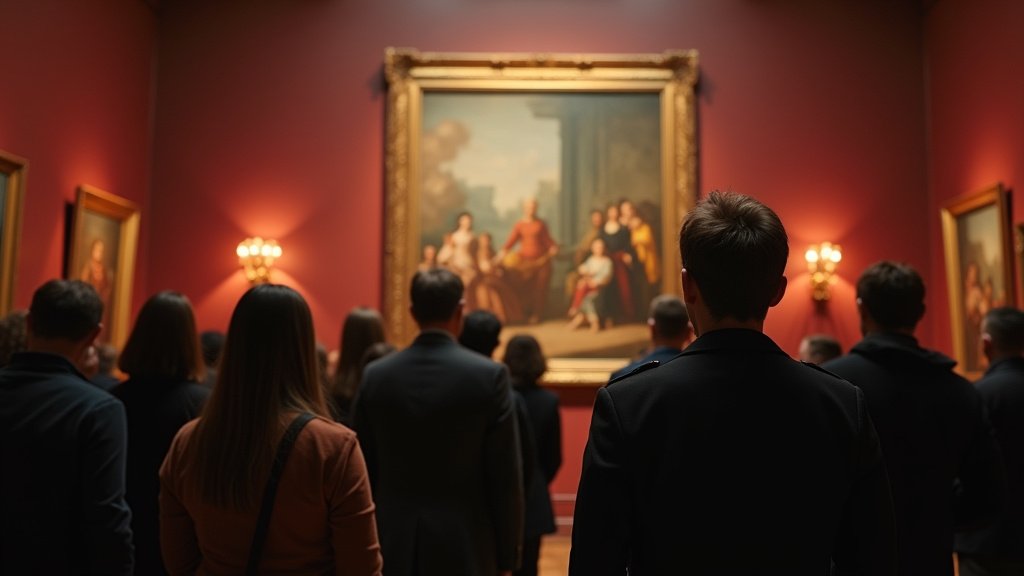
Museums in Moscow are experiencing record numbers. Attendance saw a 30% jump last year. Over 22 million visitors attended in 2025. This marks a significant increase. It shows growing cultural engagement. The famous Tretyakov Gallery is always busy. Concert halls are also packed. People seek an escape from daily life. The Marc Chagall exhibition at the Pushkin Museum sold out. Tickets were bought in seconds. This popularity is noteworthy. It highlights art’s appeal.
Finding Solace in Art
Muscovites seek to “escape today’s problems.” They want to “detach from the conflict’s reality.” Many feel they have “fewer opportunities to leave the country.” Art provides a way to “cut down the flow of bad news.” It allows them to “not follow events on the battlefield.” People are “grounding themselves.” They feel they are “connecting to something familiar.” Art offers “very few things left to cling to.” It becomes a “silent conspiracy” of shared appreciation. This is an attempt to “close their eyes to it.” They try to “maintain a certain normality.”
The Shadow of War
The war in Ukraine began in February 2022. Russia faces international sanctions. Travel to and from the country is restricted. Censorship laws are strictly enforced. Open opposition can lead to arrest. The state promotes militaristic narratives. Amidst this, cultural life adapts. Some artists express patriotic views. Others have left the country. Many cultural workers face dismissal or threats. Yet, domestic tourism has boomed. This offsets some losses. The surge in cultural attendance aligns with state messaging. It projects an image of normalcy. Life goes on despite the conflict.
A Coping Mechanism
Special exhibitions draw large crowds. The Pushkin Museum’s “Art is Cool” campaign offered a respite. It provided air-conditioned spaces during heatwaves. This shows how art can be a physical comfort. It serves as a psychological sanctuary. People find beauty in paintings. They get lost in music and performance. This engagement helps them cope. It offers a temporary relief. The trend reflects a societal shift. It is a way to navigate challenging times. Moscow’s culture scene offers a vital escape. It is a testament to art’s enduring power.


Related Posts