
Rubaya Landslide Claims Dozens in DRC Amidst Rebel Control and Unregulated Mining
Rubaya Landslide Claims Dozens in DRC; Shadow of M23 Control Looms Over Mining Disaster
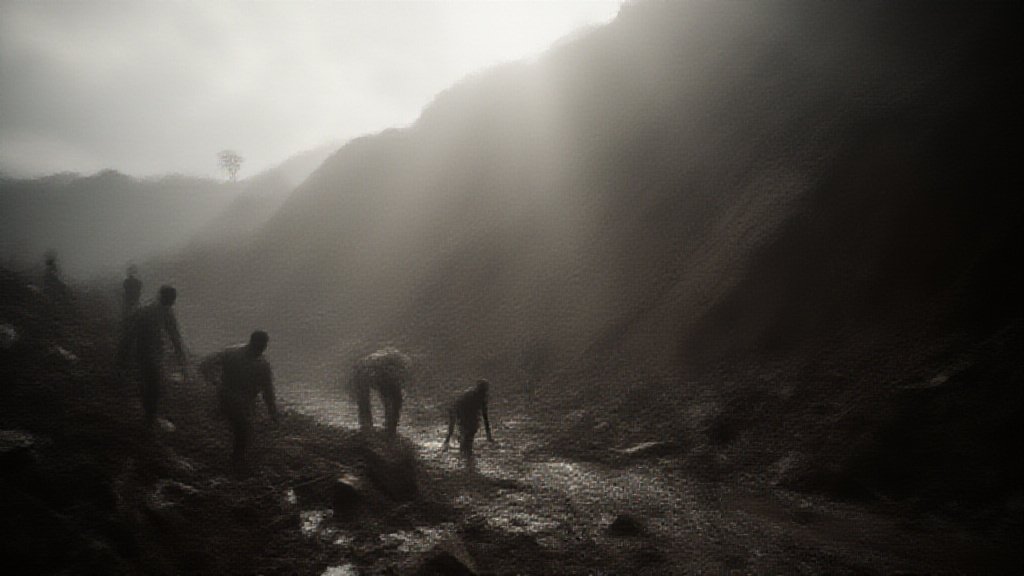
A devastating landslide struck Rubaya. It happened on Saturday, March 7, 2026. The disaster hit an artisanal mining site. It occurred in eastern Democratic Republic of Congo (DRC). Dozens of people are dead. Many others remain missing. The Gakombe mining site experienced the tragedy. This site is known for its coltan resources. Heavy rainfall likely caused the deadly slide.
The Catastrophe Unfolds
The landslide occurred early Saturday morning. It struck around 5:30 a.m. local time. Artisanal miners were working in open pits. Residents in the nearby Gatabi sub-village were also buried. Search efforts are underway. They face difficult conditions. The number of casualties may rise. Local media reported the initial figures. Authorities have not yet released an official death toll.
Context of Conflict and Control
The Rubaya mining zone is not new to disaster. It has been under M23 rebel group control since 2024. The DRC government declared it a “red zone” in November. This classification formally prohibits mining. It also bans mineral trading. However, illegal mining persists. This uncontrolled activity creates immense danger.
Recent History of Tragedy
This incident follows recent deadly accidents. Earlier this week, a mine collapse claimed over 200 lives. That disaster was also linked to heavy rains. In January, multiple shaft collapses occurred. Those incidents reportedly killed at least 200 people. Some estimates placed the number higher. These events highlight a pattern of danger.
Coltan’s Critical Role
Rubaya is a vital source of coltan. Coltan is short for columbite-tantalite. It is essential for modern electronics. The mineral is the main source of tantalum. Tantalum is used in high-performance capacitors. These go into smartphones and computers. The UN estimates Rubaya mines produce about 15% of global tantalum supply. This makes the region strategically important.
Dangers of Artisanal Mining
Artisanal mining lacks safety protocols. Miners work in unregulated open pits. These sites often lack geological surveys. They also lack engineering controls. Tropical soils can become unstable when saturated. Heavy rains quickly reduce soil cohesion. This creates ideal conditions for slope failures. Miners face hazards beyond landslides. Dust exposure and water contamination are also concerns. Limited access to medical care worsens outcomes.
Governance Vacuum and M23 Influence
M23 rebels have controlled Rubaya since 2024. Their presence creates a governance vacuum. Government mining inspectors are absent. Safety regulations go unenforced. International monitors face exclusion. Information is often controlled. Casualty reports vary wildly. M23 officials claimed few deaths. The DRC Mines Ministry reported over 200. This discrepancy shows a lack of transparency. The conflict fuels illegal mining. It provides compelling economic incentives. Miners need income. This drives them to accept elevated risks.
Broader Implications
The Rubaya landslide has wider consequences. It disrupts global supply chains. Technology companies rely on tantalum. They face immediate shortage pressures. This highlights systemic supply chain vulnerabilities. International policy action is needed. Regulatory frameworks must prioritize safety. Mineral certification must integrate safety standards. Enforcement capacity needs building. Lessons from this disaster must inform future mining governance. This recent news serves as a stark reminder. It underscores the critical need for peace and accountability. The current situation is unsustainable.


Related Posts