
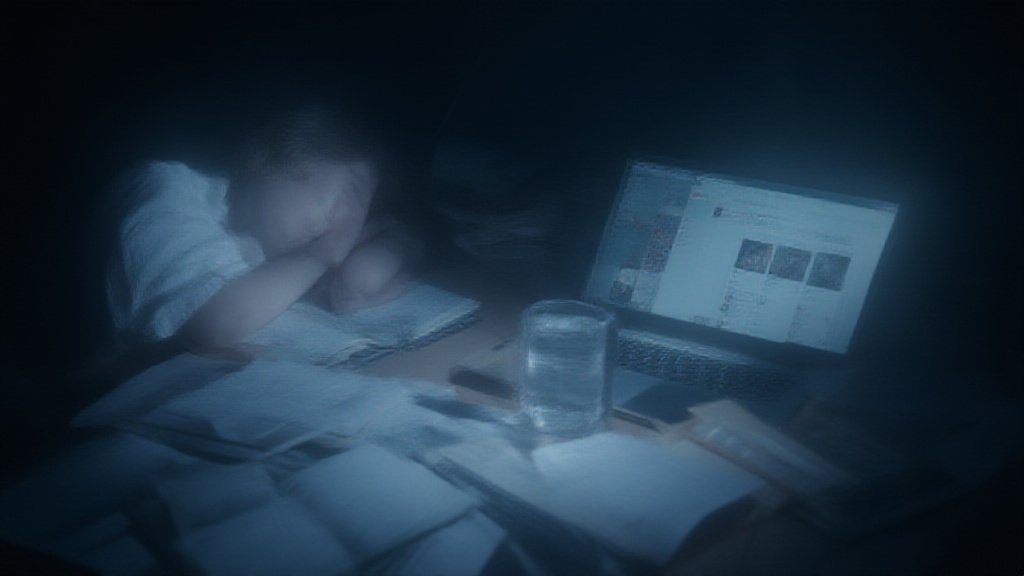
Teen Sleep Crisis Worsens: Experts Point Beyond Screens
Alarming Teen Sleep Shortage Deepens, New Report Shows
Teens today are sleeping less than ever before. This trend is alarming public health officials. A recent major study confirms this troubling news. Many adolescents are not getting enough rest. The amount of sleep they get is declining. This affects their overall wellness.
The Stark Numbers Revealed
A comprehensive analysis looked at teen sleep. It examined data from thousands of students. This research spanned many years. The findings are quite concerning. In 2007, about 69% of teens slept less than eight hours. By 2023, this number rose to nearly 77%. This marks a significant increase. Very short sleep is also rising. The percentage of teens sleeping five hours or less grew. It went from 15.8% to 23.0%. This is a dramatic shift. Teenagers need 8 to 10 hours of sleep nightly. This is crucial for development.
Beyond Screen Time: Deeper Causes Emerge
Screens often get the blame. However, this issue is more complex. Technology plays a role. Blue light from devices disrupts melatonin. This hormone signals sleep. Social media and gaming can extend bedtime. Yet, screens are not the primary culprit. The problem is widespread. It affects teens across demographics.
Biological Clocks and Early Bells
Puberty causes biological shifts. Teen body clocks naturally delay sleep onset. They become “night owls”. Melatonin release happens later. This means teens feel tired later. However, school start times often remain early. This mismatch creates a “sleep debt”. Many high schools begin before 8:30 a.m. This is too early for most teens.
Societal Pressures Mount
Hectic schedules also cut into sleep. Homework loads are substantial. Many teens spend hours on assignments nightly. Extracurricular activities are common. Part-time jobs add to the burden. Social commitments also take time. These pressures leave little room for rest. Social attitudes sometimes value constant activity over sleep.
The Wide-Ranging Impact of Sleep Loss
Insufficient sleep has serious consequences. It impairs cognitive function. Teens struggle with concentration. Memory and problem-solving suffer. Decision-making becomes poorer.
Mental health is also heavily affected. Sleep deprivation increases anxiety. It can lead to depression. Mood swings are more common. Emotional regulation is disrupted.
Physical health risks are also significant. Poor sleep links to obesity. It increases risks for chronic diseases. These include diabetes and heart disease. Immune systems can weaken. Teens may become more prone to illness.
Behavioral issues arise too. Sleep loss can fuel risk-taking. It affects academic performance. Drowsy driving is a major concern.
Disparities in Sleep Deprivation
This sleep crisis affects all groups. However, some face greater challenges. Black and Hispanic students report less adequate sleep. This gap persists across recent years. Multiracial students saw the largest decline in adequate sleep. Gender differences also exist. Girls tend to sleep less than boys. Socioeconomic status plays a role too. Those with fewer resources often sleep less.
Finding Solutions for Better Rest
Addressing teen sleep requires a multi-faceted approach. Consistency is key. Teens should maintain regular sleep schedules. Weekend sleep-ins should be limited. Aiming for no later than 9 a.m. is advisable.
Creating wind-down routines helps. Dim lights and avoid screens before bed. Charge devices outside the bedroom. Limiting caffeine intake is also important. Avoid it in the evening.
Exposure to bright morning light is crucial. It signals the brain to wake up. Outdoor light is especially beneficial. A cool, dark, quiet bedroom environment promotes sleep.
Systemic changes are also vital. Later school start times are recommended. Experts suggest starting no earlier than 8:30 a.m.. Limiting homework loads can free up time. Schools can integrate sleep education. This raises awareness of its importance.
A Call for Prioritizing Teen Wellness
The teen sleep crisis is worsening. It impacts health, wellness, and academics. The causes are biological and societal. Screens are a factor, but not the main driver. Addressing this requires action. Families, schools, and communities must work together. Prioritizing sufficient sleep is essential. It is an investment in adolescent well-being. This ongoing news highlights a critical public health issue.


Related Posts