Iran Names Mojtaba Khamenei as New Supreme Leader After Father’s Assassination
Iran has named Mojtaba Khamenei as its new supreme leader. This follows the assassination of his father, Ayatollah Ali Khamenei. The announcement came on March 8, 2026. Mojtaba Khamenei is now the third supreme leader. This marks a significant leadership transition for Iran.
The New Supreme Leader
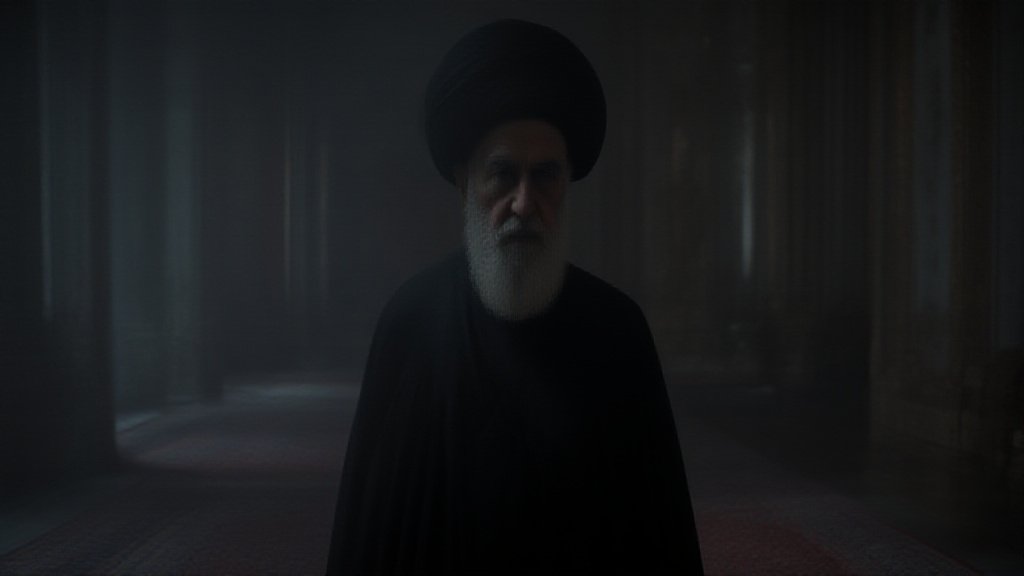
Mojtaba Khamenei is 56 years old. He is a cleric. He has long been an influential figure. He operated behind the scenes for years. He was seen as a powerful insider. However, he rarely appeared in public. He never held formal government office. He was selected by the Assembly of Experts. This is an 88-member body. It appoints Iran’s top religious and political authority.
His appointment followed constitutional procedure. It was not a hereditary transfer of power. However, his family lineage fueled succession speculation. He inherits leadership during uncertain times. Regional conflict is intense. Domestic uncertainty also exists.
Background and Rise to Power
Mojtaba Khamenei was born in 1969. His birthplace was Mashhad, Iran. He is the second son of the late Ali Khamenei. His father led Iran from 1989 until his death. Mojtaba grew up in a political environment. He witnessed his father’s rise. This included his father’s time as president. He pursued religious education in Qom. This is Iran’s center for Shia theology. He studied under prominent scholars. He taught advanced jurisprudence. This is the highest level of seminary education.
He participated in the Iran-Iraq War. This was in the late 1980s. He joined volunteer units. This gave him early military experience. He also has ties to the Islamic Revolutionary Guard Corps (IRGC). This is a powerful Iranian institution. He does not hold a formal role there. However, he is considered close to the IRGC.
Influence Within the System
Mojtaba served as deputy chief of staff. He worked in his father’s office. He managed political and security affairs. He acted as a gatekeeper. He controlled access to his father. His influence grew over decades. It increased significantly after 2009 protests. He is considered a hardliner. He has deep ties to Iran’s security establishment.
In 2019, the U.S. sanctioned Mojtaba Khamenei. This was for his links to his father’s office. It noted his contribution to repressive policies. This action highlighted his influence. His elevation signals continuity. It reinforces hardline theocratic rule.
The Context of Conflict
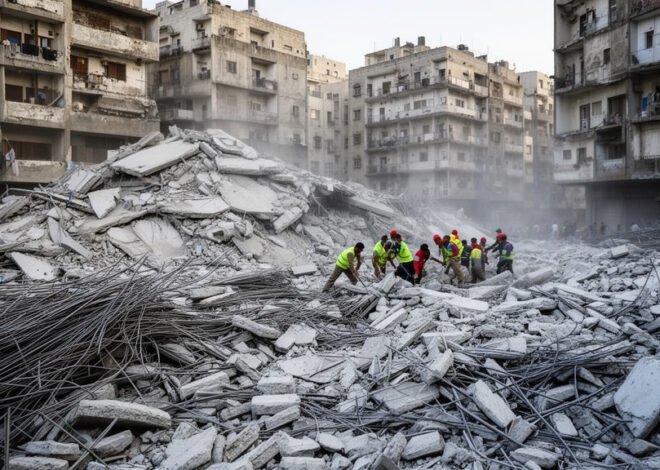
Ayatollah Ali Khamenei was killed in a U.S.-Israeli airstrike on February 28, 2026. This attack occurred at the start of escalating conflict. The strikes targeted leadership. Several senior officials were also killed. The assassination triggered the succession process. The ongoing war dominates the immediate context. Global oil prices have spiked. Regional tensions are high. These events create a volatile backdrop. The new leader faces immense challenges.
Global and Domestic Reactions
International reactions have been swift. U.S. President Donald Trump criticized the appointment. He previously called Mojtaba Khamenei an “unacceptable” choice. Israeli officials warned about continued targeting of leaders. Other nations have expressed concern. Many governments urge restraint and de-escalation. Within Iran, reactions are divided. Supporters view his appointment as defiance. They see it as a sign of resilience. Critics believe it offers little hope for reform. Opposition figures are cautious. Fear of repression remains high. The IRGC’s continued influence is notable.
Mojtaba Khamenei’s selection represents continuity. It consolidates power within the established system. This recent news has significant global implications. The next steps in this new era are closely watched.


Related Posts