
Xi & Trump Met Privately Amid US Iran Stance Shift
In a surprising turn of events, reports indicate that Chinese President Xi Jinping and former U.S. President Donald Trump held a private meeting. Concurrently, the United States has reportedly rejected a recent peace proposal put forth by Iran, signaling a complex geopolitical landscape.
Key Highlights:
- A private meeting between Xi Jinping and Donald Trump has been reported.
- The U.S. has taken a stance against Iran’s latest peace proposal.
- The timing of these events suggests potential shifts in international relations.
- Details surrounding the Xi-Trump meeting remain scarce.
Geopolitical Undercurrents Emerge
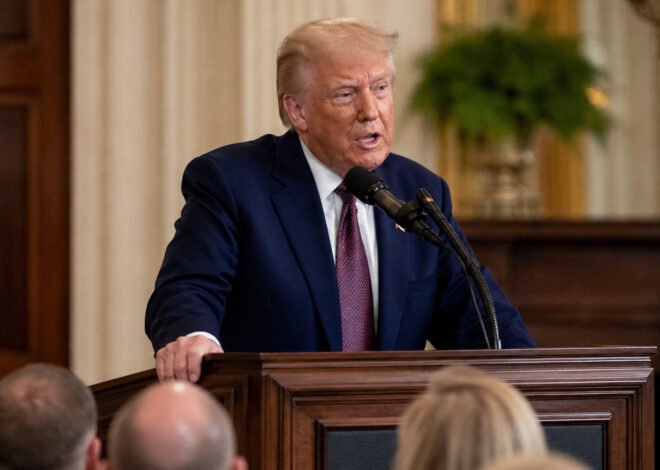
The international stage has been set ablaze with two significant, albeit largely unconfirmed, developments. Whispers of a clandestine meeting between Chinese President Xi Jinping and former U.S. President Donald Trump have begun to circulate, adding a layer of intrigue to global diplomacy. While official confirmation is absent, the mere suggestion of such a high-level, off-the-record discussion between leaders of two global superpowers, one current and one former, has ignited speculation about potential behind-the-scenes maneuvering and its implications for future international relations.
The Xi-Trump Confluence
The purported meeting between President Xi and Mr. Trump, if it occurred, would mark a potentially significant, albeit unofficial, diplomatic engagement. Given the current geopolitical climate, any private dialogue between figures of this stature could encompass a wide range of topics, from trade relations and technological competition to regional security and global governance. The lack of transparency surrounding such an encounter only deepens the mystery, leaving analysts to ponder the agenda and potential outcomes. Experts suggest that such a meeting, regardless of its substance, could signal an attempt to explore alternative diplomatic channels or to gauge potential future policy directions, particularly in light of upcoming electoral cycles in the United States.
Shifting Sands in Iran Diplomacy
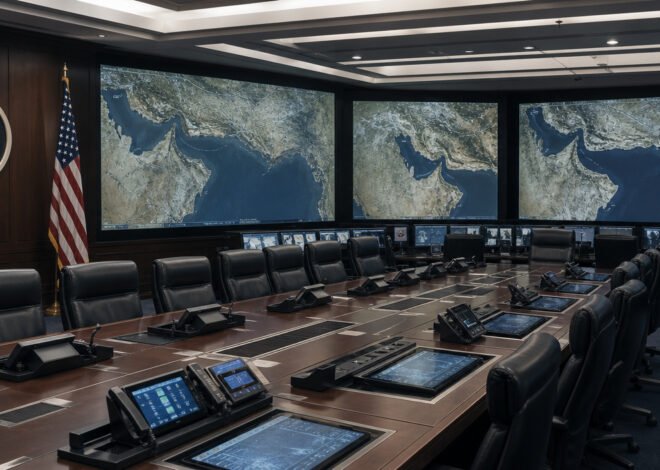
In parallel, the United States has reportedly rejected a new peace proposal from Iran. This move comes at a critical juncture, as international efforts to de-escalate tensions in the Middle East continue. The specifics of Iran’s proposal and the precise reasons for its rejection by the U.S. administration have not yet been fully disclosed. However, this development is likely to be closely watched by regional and global powers, as it could impact the ongoing efforts to revive the Iran nuclear deal and broader stability in the Persian Gulf. The U.S. stance may reflect ongoing concerns regarding Iran’s regional activities or its nuclear program, underscoring the persistent complexities in U.S.-Iran relations.
Historical Context and Future Trajectories
This confluence of events, the rumored Xi-Trump meeting and the U.S. rejection of Iran’s proposal, occurs against a backdrop of evolving global power dynamics. The relationship between the U.S. and China remains a central axis of international affairs, characterized by both competition and a degree of necessary engagement. Similarly, U.S. policy towards Iran has been a subject of intense debate and strategic recalibration over recent administrations. The potential implications of these two separate, yet potentially interconnected, events could shape the trajectory of international diplomacy, trade, and security for the foreseeable future. The world watches closely as these geopolitical currents unfold, seeking clarity amidst the prevailing ambiguity.
FAQ: People Also Ask
What is the current relationship between the U.S. and China?
The relationship between the United States and China is complex and multifaceted, characterized by significant economic interdependence alongside strategic competition across various domains, including technology, trade, and geopolitical influence. Both nations engage in diplomatic dialogue, though tensions persist on numerous issues.
What are the main points of contention in U.S.-Iran relations?
Key points of contention include Iran’s nuclear program, its ballistic missile development, its support for regional proxy groups, and human rights issues within Iran. U.S. policy has historically focused on preventing Iran from acquiring nuclear weapons and curbing its regional destabilizing activities.
What is a ‘peace proposal’ in international relations?
A peace proposal in international relations is a formal offer or suggestion put forth by one or more parties to resolve a conflict or dispute. It typically outlines terms for a cessation of hostilities, political settlements, or other measures aimed at achieving a peaceful resolution.
Who is Donald Trump?
Donald Trump is an American businessman and television personality who served as the 45th President of the United States from 2017 to 2021. Prior to his presidency, he was known for his real estate ventures and as the host of the reality television show ‘The Apprentice’.
Who is Xi Jinping?
Xi Jinping is a Chinese politician who has been the General Secretary of the Chinese Communist Party since 2012, President of China since 2013, and Chairman of the Central Military Commission since 2012. He is considered the most powerful Chinese leader since Mao Zedong.


Related Posts