FBI Returns Stolen Treasures: A Diplomatic Milestone
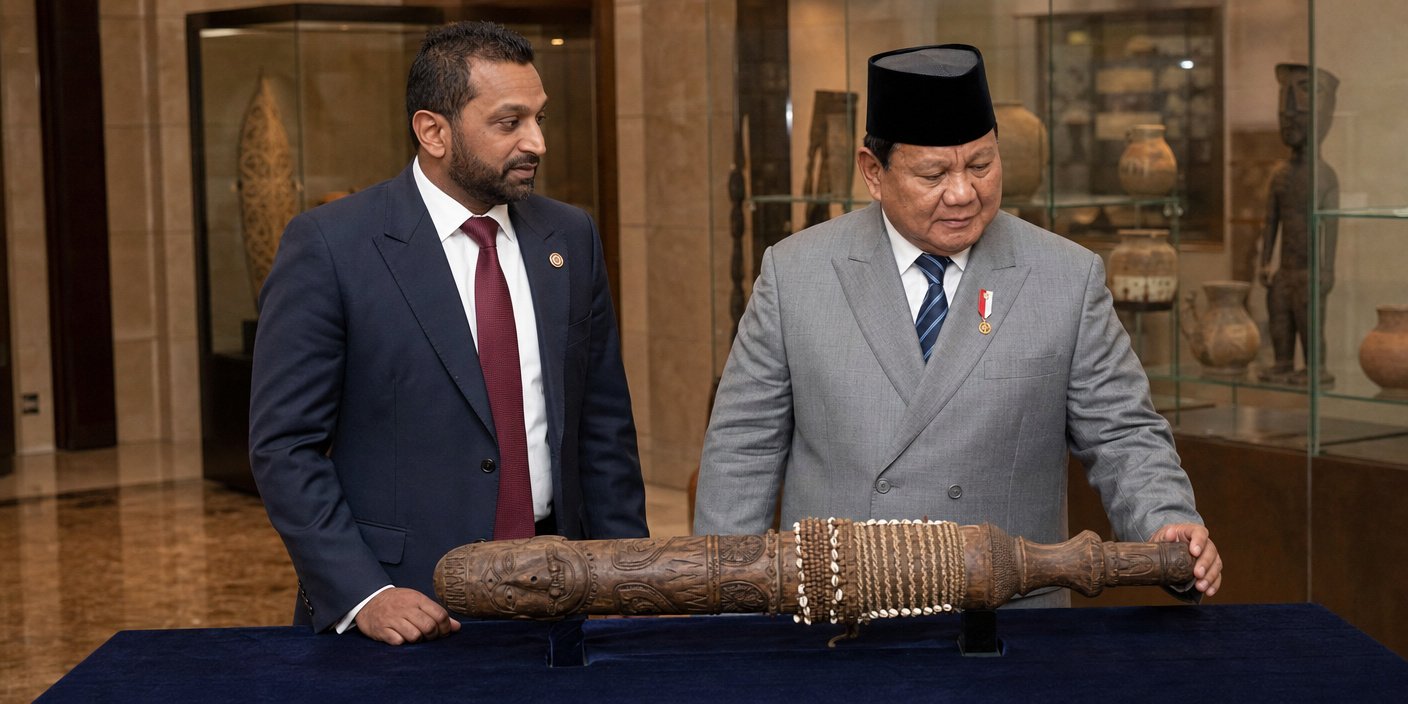
FBI Director Kash Patel has officially completed the repatriation of a collection of illegally trafficked cultural artifacts, returning these historical treasures to Indonesian President Prabowo Subianto. The formal handover ceremony marks the culmination of an intensive multi-agency investigation aimed at recovering items looted from the culturally rich Papua region, now destined for their rightful place at the National Museum in Jakarta.
Key Highlights
- Formal Repatriation: FBI Director Kash Patel oversaw the legal transfer of smuggled cultural property to the Indonesian government.
- Collaborative Investigation: The success of the operation stemmed from rigorous, joint provenance research conducted by the FBI’s specialist units and the Indonesian Culture Ministry.
- Cultural Legacy: The recovered artifacts originate from the Papua region and serve as critical pieces of Indonesian history, set for public display at the National Museum in Jakarta.
- Strengthening Ties: The event underscores a deepening bilateral commitment between the United States and Indonesia regarding international crime, legal cooperation, and the preservation of global heritage.
Restoring Heritage: The FBI-Indonesian Cooperation Initiative
In a landmark display of international cooperation, the repatriation of these Papuan cultural artifacts signifies a major victory in the global fight against the illicit trade of cultural property. This operation was not merely a diplomatic gesture but the result of sustained, meticulous investigative work that bridged the gap between U.S. federal law enforcement and Indonesian heritage authorities. The return of these items to President Prabowo Subianto marks a pivotal moment in the administration’s focus on asserting national sovereignty over its historical assets.
The Mechanics of Provenance Research
At the heart of this success lies the rigorous application of provenance research—the study of the history of ownership for a work of art or artifact. Recovering items from the Papua region presents unique challenges, often involving remote locations and complex histories of illegal export. The FBI, working in tandem with the Indonesian Culture Ministry, utilized forensic document analysis and digital tracking to trace the artifacts’ journey from their original sites in Papua through clandestine smuggling channels to the international black market.
This collaborative approach highlights a shift in how federal agencies approach international cultural crime. Rather than acting in isolation, the FBI leveraged the local expertise of Indonesian researchers who possess deep knowledge of the cultural, stylistic, and historical context of Papuan craftsmanship. By combining technical forensic capabilities with deep local expertise, the team was able to verify the authenticity and stolen status of these items, creating an undeniable legal case for their return.
Cultural Significance of the Recovered Collection
The artifacts in question are not merely aesthetic objects; they are vital vessels of Papuan heritage. The region’s traditional art forms, which are deeply tied to ancestral customs and spiritual practices, have long been targets of international looting operations. For the people of Indonesia, these items represent a tangible link to their past, identity, and community narratives. By securing these items, the Indonesian government is reclaiming a portion of the cultural wealth that had been stripped away by transnational criminal networks.
The National Museum in Jakarta, which is tasked with the stewardship of these repatriated items, plays a crucial role in ensuring they are preserved for future generations. The museum’s conservation team will now undertake the delicate work of documenting and showcasing these objects, ensuring they are contextualized within the broader history of the Indonesian archipelago.
Diplomatic Soft Power and Future Enforcement
Beyond the intrinsic value of the artifacts, this event serves as a clear indicator of the evolving relationship between Washington and Jakarta. Under the leadership of President Prabowo, Indonesia has signaled an intent to engage more assertively on the global stage, particularly regarding the protection of national interests. The cooperation with the FBI on this matter suggests that cultural property repatriation has become a meaningful component of bilateral diplomacy.
This event also serves as a warning to global criminal networks involved in the illicit antiquities trade. By demonstrating the efficiency of this international task force, the FBI and Indonesian authorities have signaled that the borders are no longer permeable for stolen history. Future efforts will likely see an expansion of this model, with both nations exploring permanent frameworks for shared intelligence on stolen art, forensic cooperation, and rapid-response protocols when suspected illegal imports are detected.
As the artifacts take their place in the National Museum, they stand as symbols of a new chapter in law enforcement: one where the pursuit of justice includes the protection of the soul of a nation. The success of this operation provides a blueprint for future repatriations, setting a high standard for how nations can collaborate to mend historical wrongs and safeguard human culture for the future.
FAQ: People Also Ask
1. Why was the FBI involved in the return of these artifacts?
The FBI, specifically through its Art Crime Team, works to combat the illegal trafficking of cultural property that moves across U.S. borders. Because these artifacts were moved into, or handled through, jurisdictions involving U.S. interests, federal involvement was required to conduct the investigation and facilitate the legal return to Indonesia.
2. What is provenance research, and why is it important here?
Provenance research is the verification of an object’s history of ownership. It is critical in repatriation cases because it proves that an item was legally or illegally obtained, allowing authorities to establish a definitive chain of custody to reclaim the item from illicit holders.
3. Where will these artifacts be displayed?
The recovered artifacts are slated for exhibition at the National Museum in Jakarta. The museum will be responsible for their long-term conservation, study, and public display, allowing the Indonesian public to reconnect with their heritage.
4. How does this impact U.S.-Indonesia relations?
This act of cultural diplomacy strengthens the ties between the two countries, demonstrating a shared commitment to the rule of law and the preservation of global heritage. It moves beyond standard diplomatic relations to address issues of mutual national pride and historical justice.


Related Posts