El-Sayed Stuns Establishment: Michigan Senate Primary Shocker
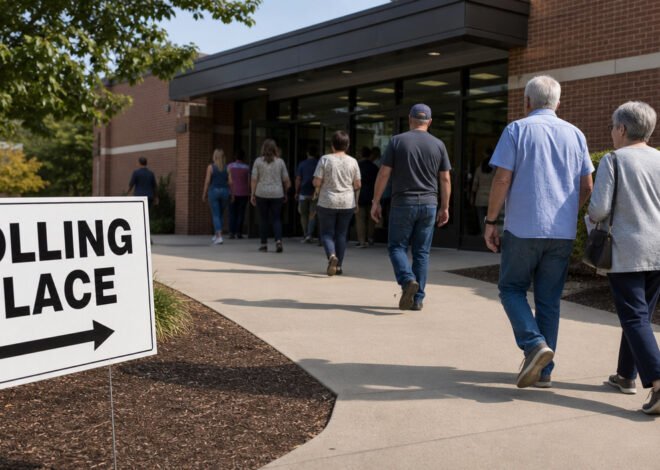
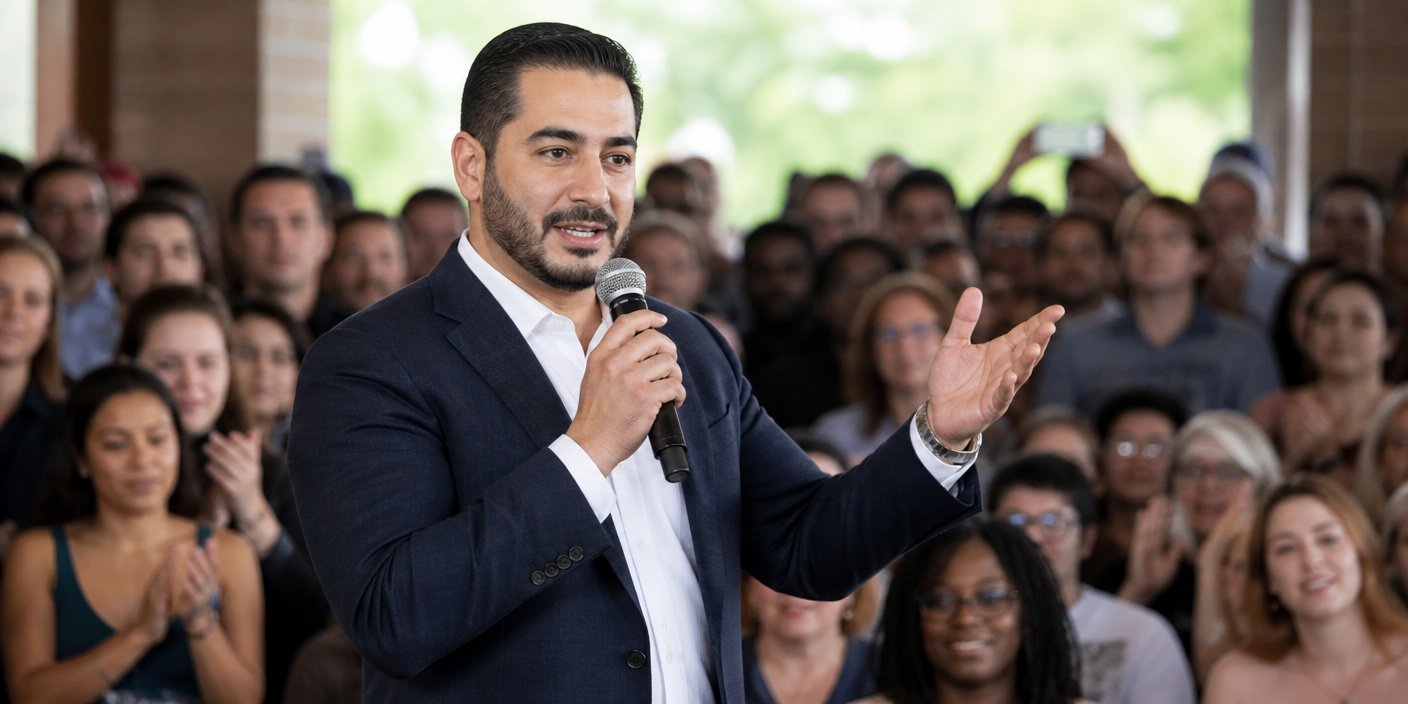
In a stunning display of grassroots mobilization that has sent shockwaves through the political establishment, Dr. Abdul El-Sayed has officially secured the Democratic nomination for the United States Senate in Michigan. The primary election, held on August 6, 2026, saw El-Sayed overcome a significant funding deficit and intense opposition from party-aligned interests to defeat Congresswoman Haley Stevens. This victory marks a pivotal moment for the progressive wing of the Democratic Party, signaling a potential shift in the electoral landscape as voters coalesce around a platform defined by systemic reform and uncompromising policy stances.
Key Highlights
- Decisive Upset: Dr. Abdul El-Sayed defeated establishment-backed Congresswoman Haley Stevens in the August 6, 2026, Michigan Democratic Senate primary.
- Policy-Driven Win: El-Sayed’s campaign was anchored by a robust push for Medicare for All and a significant re-evaluation of current U.S. military aid to Israel.
- Outspent but Outmaneuvered: Despite facing a substantial financial disadvantage, the El-Sayed campaign successfully leveraged grassroots organizing to overcome institutional spending.
The Anatomy of an Upset: Redefining Michigan’s Democratic Future
The political landscape of Michigan has long been characterized by a delicate balance between moderate, establishment-aligned interests and a growing, energized progressive base. On August 6, 2026, that balance tilted decisively in favor of the latter. Dr. Abdul El-Sayed’s victory over Congresswoman Haley Stevens was not merely a win for a candidate; it was a referendum on the direction of the Democratic Party in one of the most critical battleground states in the nation. Analysts had largely written off El-Sayed’s chances early in the cycle, citing the deep-pocketed infrastructure supporting his opponent. However, the returns on election night told a different story—one of a electorate eager for structural change rather than incremental adjustments.
The Progressive Pivot
At the core of El-Sayed’s campaign was a direct challenge to the status quo regarding healthcare and foreign policy. By centering his narrative on ‘Medicare for All,’ El-Sayed tapped into a profound anxiety among Michigan voters regarding the accessibility and affordability of healthcare. While his opponent favored a more moderate, gradualist approach to healthcare reform, El-Sayed’s messaging focused on the necessity of a single-payer system. This clarity resonated deeply with working-class voters who have seen their costs rise even as the national economy has recovered.
Furthermore, his explicit calls for the reduction of military aid to Israel represented a bold departure from traditional Democratic foreign policy doctrine. This stance, while controversial, served to consolidate his support among younger voters and progressives who have increasingly demanded that the party align its international actions with its stated values of human rights and fiscal responsibility. By refusing to soften these positions, El-Sayed managed to build a coalition that was as enthusiastic as it was diverse.
The Economics of Grassroots Engagement
Perhaps the most striking element of this primary was the stark contrast in campaign finance. Haley Stevens, possessing the backing of influential party organizations and PACs, significantly outspent the El-Sayed campaign. In many political contests, such a disparity is fatal. However, El-Sayed’s victory suggests a diminishing return on institutional campaign spending. His campaign prioritized ‘relational organizing’—a strategy that focuses on peer-to-peer outreach rather than expensive television advertisements. This approach allowed the campaign to maximize every dollar, turning supporters into active canvassers who could engage with the electorate on a personal level. The result was a high-turnout performance that outperformed polling models, which had failed to account for the intensity of the grassroots enthusiasm for the El-Sayed platform.
The Rust Belt Transformation
We are witnessing the slow but steady transformation of the ‘Rust Belt’ political archetype. Historically, Michigan Democrats have been characterized by labor-centric moderate politics. The 2026 primary indicates that this historical model is being challenged by a younger, more ideologically driven demographic. This movement is not merely about candidate preference; it is about the redefinition of Democratic ‘electability.’ For years, the party leadership has operated under the assumption that moving toward the center was the only path to victory in swing states. El-Sayed’s success challenges this orthodoxy, suggesting that a candidate who can articulate a clear, bold vision might be more effective at driving turnout than one who attempts to appeal to the mythical ‘median voter.’
As we look toward the general election, the question becomes whether this coalition can be expanded to include the broader Michigan electorate. The general election will require El-Sayed to bridge the gap between his ardent progressive base and more cautious suburban voters who may be wary of his more radical policy proposals. His ability to synthesize these competing interests will determine whether this primary win leads to a seat in the Senate or remains a symbolic victory in a broader intra-party conflict. Regardless of the outcome in November, the August 6, 2026, primary has already secured its place as a case study in modern political mobilization, demonstrating that in the age of digital connection and intense ideological polarization, a well-organized grassroots campaign can still topple a well-funded establishment machine.
FAQ: People Also Ask
1. Who did Dr. Abdul El-Sayed defeat in the primary?
Dr. Abdul El-Sayed defeated Congresswoman Haley Stevens, who was widely considered the establishment favorite and enjoyed significant institutional backing and financial support.
2. What were the core issues of El-Sayed’s campaign?
His campaign was built on a progressive platform, most notably advocating for Medicare for All, as well as a policy shift regarding the reduction of military aid to Israel.
3. Was funding a factor in this election?
Yes. Congresswoman Haley Stevens significantly outspent the El-Sayed campaign, yet El-Sayed secured the nomination through superior grassroots organizing and voter mobilization.
4. When was the Michigan Democratic Senate primary held?
The primary election took place on August 6, 2026.


Related Posts