Chicago’s House Music Festival 2026: DCASE Sets August Dates
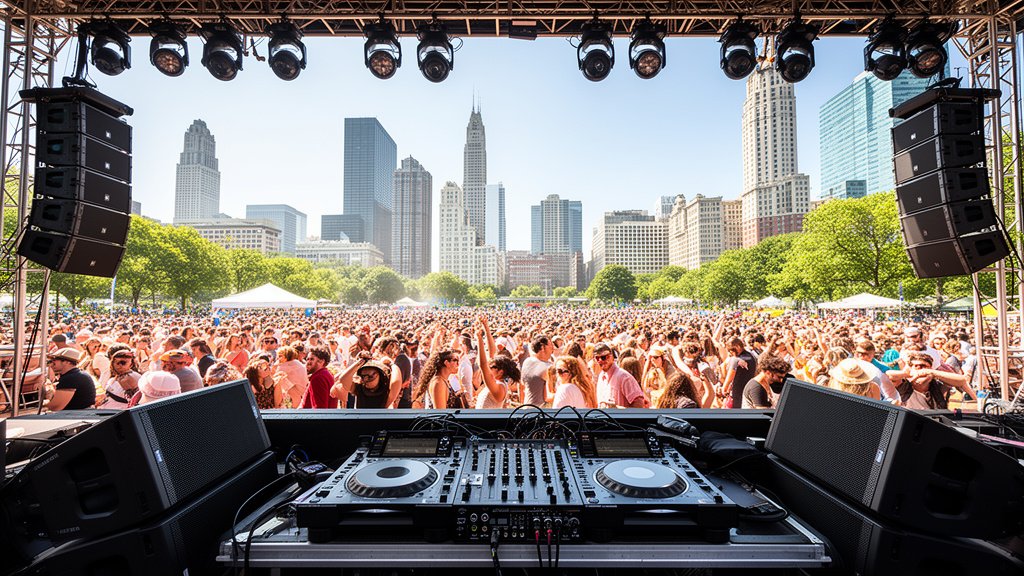
The City of Chicago’s Department of Cultural Affairs and Special Events (DCASE) has officially announced the return of the Chicago House Music Festival and Conference, a sprawling four-day event dedicated to the city’s most significant cultural export. Taking place from August 27 through August 30, 2026, the festival promises to honor the roots of the genre while fostering its future through a mix of high-energy performances, educational panels, and collaborative summits. This year’s programming, which includes the highly anticipated second annual House Dance Summit, reinforces Chicago’s role as the definitive birthplace of House music, aiming to unite global enthusiasts with local legends.
Key Highlights
- Official Dates: The festival and conference span four days, from August 27 to August 30, 2026, hosted citywide by DCASE.
- Programming Depth: The event features the second annual House Dance Summit, alongside intensive educational panels and workshops.
- Artist Roster: The lineup boasts over 40 DJs, producers, and cultural pioneers, representing a diverse range of generations within the movement.
- Citywide Scope: Performances and educational events are integrated throughout the city, maintaining the festival’s commitment to accessibility and civic engagement.
Honoring the Global Legacy of the Chicago Sound
The Chicago House Music Festival and Conference serves as more than just a musical gathering; it is a vital act of cultural preservation. House music, born in the early 1980s at venues like The Warehouse, was pioneered by visionaries such as Frankie Knuckles, often referred to as the ‘Godfather of House.’ Today, that legacy has grown into a multi-billion dollar global industry, influencing everything from mainstream pop production to international nightlife culture. DCASE has positioned this festival to ensure that as the genre evolves, its historical bedrock remains firmly in Chicago.
By centering the 2026 edition on both artistic performance and intellectual discourse, the conference aspect of the festival addresses the current challenges faced by independent producers and club DJs. This aligns with a broader trend of institutional recognition for dance music, where municipalities increasingly view electronic music culture as a critical component of tourism and local economy.
The Pillars of the House Dance Summit
A centerpiece of the 2026 agenda is the second annual House Dance Summit. Following its successful debut, the summit has been expanded to serve as a hub for both professional dancers and enthusiasts. The summit provides a space for critical examination of dance styles—such as footwork, jacking, and vogue—that are inextricably linked to the music’s rhythm. By inviting practitioners to exchange techniques and histories, the summit ensures that the physical practice of House is documented and passed down with the same rigor as the musical composition.
Navigating the 40+ Artist Roster
One of the defining characteristics of this year’s DCASE curation is the diversity of the lineup. With over 40 DJs and cultural pioneers confirmed, the festival creates an intergenerational dialogue. Younger acts, who are pushing the boundaries of electronic music with digital production techniques, will share stages and panels with ‘OG’ creators who lived through the genre’s inception. This juxtaposition is essential for the festival’s stated goal: to demonstrate that House is a living, breathing art form, not merely a nostalgic artifact.
Economic and Cultural Impact on Chicago
The economic implications of this four-day festival are substantial. Historically, the influx of international attendees—pilgrimaging to the city where their favorite music was born—generates significant revenue for Chicago’s hospitality, transport, and nightlife sectors. Beyond the financials, DCASE’s involvement signals a strategic commitment to the ‘creative economy.’ By investing in this conference, the city is positioning itself as a leader in the global music tourism market, proving that municipal support for nightlife is a powerful tool for civic identity.
Future Predictions for the Genre
Looking toward the conclusion of the 2026 festival, observers are already looking for signals regarding the direction of the genre. We anticipate that the conference panels will focus heavily on three emerging areas: the integration of AI in music production, the preservation of historical analog equipment, and the legal challenges facing urban nightlife and sound-ordinance compliance. As cities worldwide face gentrification, the lessons shared at this Chicago conference will likely set the playbook for how other metropolitan centers can protect and celebrate their own grassroots musical cultures.
FAQ: People Also Ask
Q: How can I register for the House Music Festival and Conference panels?
A: Registration details for specific conference panels, including the House Dance Summit workshops, are handled directly through the DCASE official website. Attendees are encouraged to sign up early, as space for educational programming is often limited compared to general festival attendance.
Q: Is the Chicago House Music Festival a ticketed event?
A: Historically, the Chicago House Music Festival operates as a largely free, public-access event, supported by city sponsorship. However, specific conference sessions or specialized workshops within the House Dance Summit may require advance registration or, in rare instances, a nominal entry fee. Please check the official DCASE 2026 guide for the latest ticketing information.
Q: Are there age restrictions for the festival events?
A: While the festival is designed to be a citywide, inclusive celebration, individual venues hosting conference after-parties or late-night sets may have age restrictions (typically 21+). Public, outdoor, or daytime festival programming is generally all-ages.
Q: Where can I find the full list of 40+ DJs and pioneers?
A: The full lineup is updated periodically on the DCASE website. As the August 27–30 dates approach, DCASE releases specific programming schedules, including stage times and panelist biographies, through their official communications channels.


Related Posts