Colombia Earthquake Crisis: 250 Dead, 2,700 Missing in Race Against Time
Rescue teams in Colombia are currently engaged in a desperate, race-against-time operation as the death toll from the massive earthquake climbs past 250, with 2,700 people still unaccounted for. The situation on the ground remains critical, with local authorities and international aid organizations scrambling to deploy heavy machinery and specialized search-and-rescue dogs to stabilize zones that remain in danger of secondary collapse.
Key Highlights
- Confirmed Casualties: The death toll has officially surpassed 250, with medical facilities in affected provinces nearing total capacity.
- Missing Persons: Authorities report that 2,700 individuals remain missing, complicating the search as infrastructure damage hinders communications.
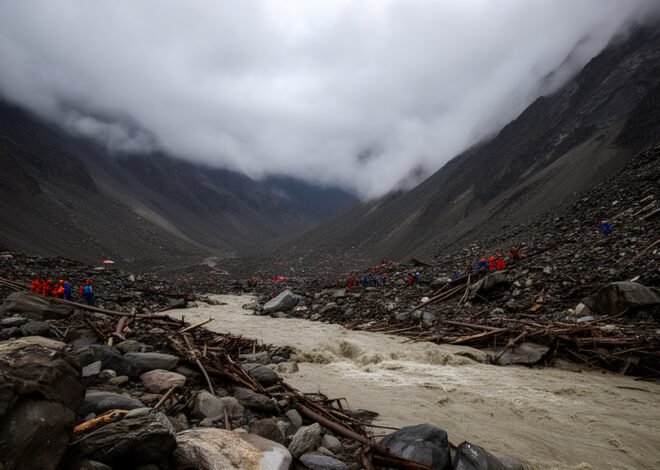
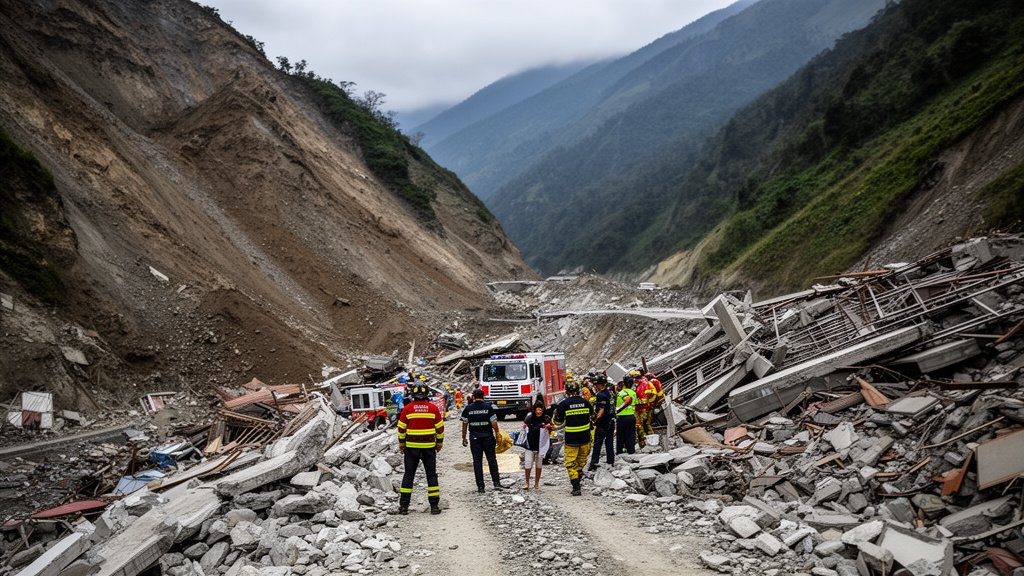
- Logistical Challenges: Rescue crews are struggling against mountainous, unstable terrain and severed transportation links that prevent heavy equipment from reaching the hardest-hit areas.
- Emergency Response: The UNGRD (National Unit for Disaster Risk Management) has declared a state of emergency, coordinating with the Colombian Red Cross and the national Civil Defense to streamline relief efforts.
The Unfolding Humanitarian Catastrophe and Logistical Siege
The scale of the disaster has overwhelmed initial response capabilities, forcing the government to appeal for specialized international assistance. The quake, which struck with significant force, has effectively isolated several mountain communities, turning what should be a straightforward logistical operation into a complex tactical maneuver. As the window of opportunity to locate survivors narrows—typically estimated at 72 hours in such catastrophic events—the pressure on the UNGRD and the Colombian Red Cross has reached an all-time high.
Geological Vulnerabilities of the Andean Region
The earthquake has once again highlighted the extreme seismic vulnerability of the region, which sits along the highly active Andean Volcanic Belt. This area is defined by the complex subduction of the Nazca Plate beneath the South American Plate. This geological interface has historically produced some of the most devastating seismic events in the hemisphere. Experts from regional geological surveys suggest that the depth and orientation of the rupture have exacerbated the surface impact, causing prolonged shaking that devastated poorly reinforced infrastructure in rural municipalities. The energy released by the tectonic shift did not just cause immediate collapse; it created widespread soil liquefaction, rendering roads and temporary landing strips impassable for heavy transport vehicles.
The Operational Reality: A Race Against Time
For the search-and-rescue teams operating on the front lines, the primary adversary is not just the rubble, but the geography itself. In many of the most affected zones, the primary roads have been severed by landslides triggered by the tremors. This means that first responders are currently relying on airlifts and manual excavation techniques, which are significantly slower. The Civil Defense has deployed advanced sonic and thermal imaging technology to detect signs of life within the wreckage, but these tools require stable, low-noise environments—a luxury that is difficult to find amidst the chaos of aftershocks and collapsing structural frames. The lack of reliable communication networks has also created a ‘fog of war’ effect, where rescue coordinators struggle to receive accurate, real-time data from the remote villages that were at the epicenter.
Socio-Economic and Long-Term Implications
Beyond the immediate search and recovery, the long-term socio-economic impact on Colombia is staggering. The affected region serves as a vital corridor for agricultural logistics and small-scale manufacturing. With local infrastructure obliterated, the recovery phase will likely span years rather than months. Economic analysts are already projecting a significant drop in regional output for the next fiscal quarter as supply chains remain severed. Furthermore, the psychosocial impact on the affected population is immense. The displacement of thousands of residents, coupled with the loss of familial assets and housing, creates a secondary crisis of homelessness and medical dependency that the central government will have to manage alongside the physical reconstruction efforts. The focus, for now, remains strictly on the search for survivors, but policymakers are already drafting the preliminary budgets for a massive reconstruction project that will likely require international loans and humanitarian aid funding.
FAQ: People Also Ask
1. What is the current status of the search operations?
Rescue operations are ongoing and highly active, but they are severely hampered by landslides and damaged infrastructure preventing the use of heavy machinery in remote areas.
2. Is there an official list of the missing?
Yes, the UNGRD and local municipal authorities are maintaining a registry of missing persons, though it is being updated dynamically as communications are restored in isolated zones.
3. How can international aid be provided?
Official channels for aid are currently being coordinated through the Colombian Ministry of Foreign Affairs and the Colombian Red Cross, which are vetting international donations and specialized rescue teams.
4. Are aftershocks expected?
Yes, seismologists warn that aftershocks are a standard and dangerous component of this seismic event, which continue to threaten the stability of structures already weakened by the initial quake.


Related Posts