Strait of Hormuz Security Alert: Vessel Hit, Casualty Reported
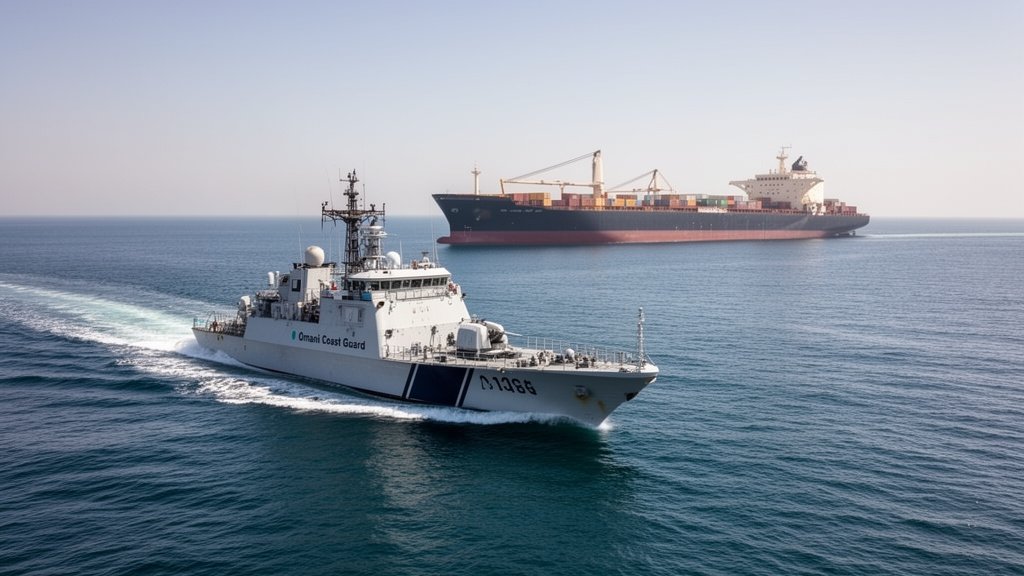
A commercial vessel navigating the critical Strait of Hormuz has been struck by an unknown projectile, resulting in significant damage to the engine room and the loss of a crew member. The incident, which occurred earlier today, has prompted an immediate emergency response from the Omani Coast Guard, which is currently on-site providing critical assistance to the affected crew. While the specific nature of the projectile and the origin of the attack remain under investigation, the event has reignited concerns regarding the security of international shipping lanes in one of the world’s most vital energy corridors.
Key Highlights
- Incident Overview: A vessel transiting the Strait of Hormuz sustained damage to its engine room after being struck by an unidentified projectile.
- Casualties Confirmed: Maritime authorities have confirmed at least one crew casualty resulting from the impact.
- Emergency Response: The Omani Coast Guard is actively engaged in search, rescue, and security operations at the location.
- Strategic Impact: The Strait of Hormuz, a crucial chokepoint for global oil and gas transport, remains on heightened alert following this breach of maritime security.
Maritime Stability Under Threat in the Strait of Hormuz
The Strait of Hormuz serves as the jugular vein of the global energy market, with an estimated 20% to 30% of the world’s total crude oil consumption passing through these narrow waters daily. When a vessel is struck by a projectile in this region, the ramifications extend far beyond the immediate damage to the ship or the tragic loss of life. It creates a cascading effect that impacts insurance premiums, shipping schedules, and global energy prices.
The Anatomy of the Incident
According to preliminary reports, the projectile struck the vessel’s engine room, effectively disabling the ship’s primary propulsion systems. This type of strike suggests a high degree of targeting capability, aimed not necessarily at sinking the vessel, but at rendering it immobile and vulnerable in a confined maritime area. The immediate priority for the Omani Coast Guard has been the stabilization of the vessel, the assessment of hull integrity to prevent environmental spillage, and the provision of emergency medical services to the remaining crew members. As investigators scour the debris and examine radar logs from the surrounding area, the focus remains on determining whether the projectile was launched from land, another vessel, or an aerial platform.
Evolving Security Risks for Commercial Shipping
For the past decade, the Strait has seen a rise in asymmetric warfare tactics. The use of low-cost, high-impact technologies—such as drones and surface-to-surface missiles—has fundamentally altered the risk profile for commercial merchant marines. Previously, the primary threats to shipping in the Middle East were piracy or conventional state-level maritime disputes. Today, however, commercial fleets are increasingly exposed to the spillover effects of regional conflicts. The Omani Coast Guard, working in conjunction with international maritime stakeholders, must now navigate a complex theater where maintaining neutrality while ensuring the safety of transit lanes is increasingly difficult.
The Economic Ripple Effect
Any disruption in the Strait of Hormuz creates an immediate “fear premium” in global oil markets. When a vessel is struck, insurance underwriters typically increase the “war risk” premiums for any ship planning to transit the waterway. If these attacks become systemic, we could see a rerouting of major tankers, which would significantly increase transit times and operational costs. For the global economy, this translates into inflationary pressure on energy goods. The ability of regional coast guards, like the Omani forces currently handling this crisis, to project stability and security is the only factor preventing a total breakdown of traffic in this critical chokepoint.
FAQ: People Also Ask
Q: What is the significance of the Strait of Hormuz?
A: The Strait of Hormuz is the world’s most important oil chokepoint. Located between Oman and Iran, it connects the Persian Gulf with the Gulf of Oman and the Arabian Sea. A significant portion of the world’s daily oil output passes through this narrow passage, making it vital to global energy security.
Q: How does the Omani Coast Guard typically respond to such attacks?
A: The Omani Coast Guard is trained for maritime domain awareness and emergency response. Upon receiving a distress signal, they deploy patrol vessels to secure the scene, facilitate medical evacuation for any casualties, prevent potential pollution, and conduct investigations to secure evidence regarding the nature of the attack.
Q: Are commercial vessels generally safe in this region?
A: While the vast majority of ships transit the Strait without incident, the area is considered high-risk. Shipping companies often employ armed security details, utilize hardened navigation protocols, and maintain constant communication with regional maritime security centers to mitigate these risks.
Q: What happens next in the investigation?
A: Authorities will likely analyze radar data, retrieve projectile fragments, and interview the crew to determine the origin of the strike. This intelligence is then shared with international maritime organizations to issue updated safety warnings to other vessels currently in the vicinity.


Related Posts