
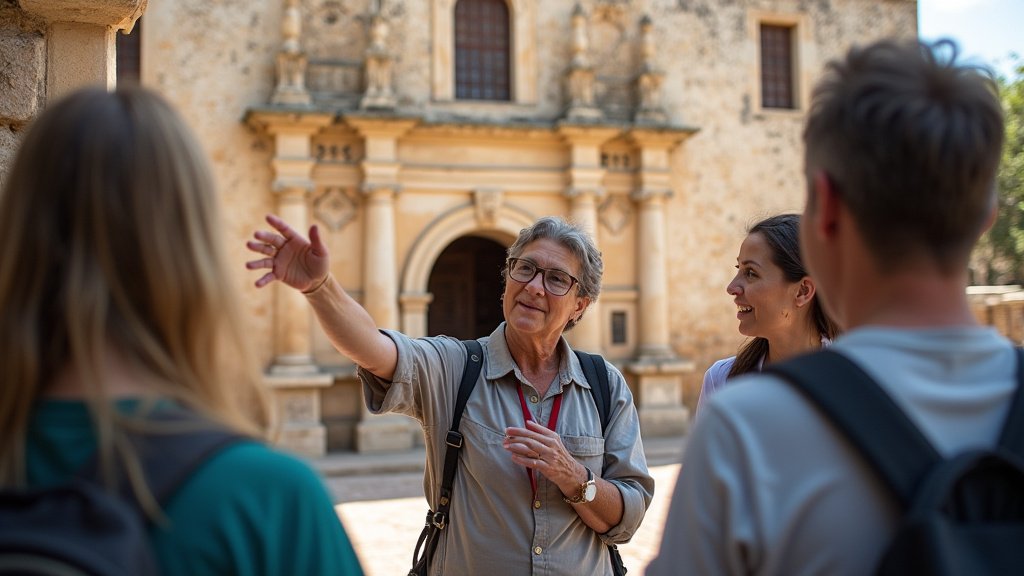
San Antonio Revives Ambassador Program to Bolster World Heritage Legacy
The City of San Antonio World Heritage Office has officially announced the return of its World Heritage Ambassador Program, a strategic initiative designed to bolster public education and community engagement regarding the city’s prestigious UNESCO World Heritage Site designation. This reintroduction comes as the city continues to leverage its historical status to promote tourism, education, and cultural preservation. By training a dedicated corps of ambassadors, the office aims to create a robust network of informed advocates who can interpret the complex historical and cultural narratives of the San Antonio Missions for locals and visitors alike.
Key Highlights
• Program Relaunch: The City of San Antonio has officially reinstated the World Heritage Ambassador Program to enhance public knowledge of the San Antonio Missions.
• Educational Focus: Ambassadors will receive specialized training to communicate the significance of the 2015 UNESCO World Heritage designation to the public.
• Community Engagement: The initiative serves as a bridge between the municipal World Heritage Office and residents, fostering local stewardship of historic sites.
• Historical Stewardship: The program emphasizes the preservation of the five missions: The Alamo, Mission Concepción, Mission San José, Mission San Juan, and Mission Espada.
Advancing the Legacy of San Antonio’s Heritage
Since receiving UNESCO World Heritage designation in 2015, San Antonio has occupied a unique position in the global cultural landscape. As the only location in Texas with this distinction, the city carries the responsibility of not only maintaining the physical infrastructure of the San Antonio Missions National Historical Park but also ensuring the living history of these sites remains accessible and understood by current and future generations. The relaunch of the World Heritage Ambassador Program is a critical component of this long-term strategy.
The Historical Mandate and UNESCO Status
The UNESCO designation was not merely a tourism accolade; it is a serious commitment to the preservation of cultural heritage of “outstanding universal value.” The five missions—The Alamo, Mission Concepción, Mission San José, Mission San Juan, and Mission Espada—represent a 300-year history of cultural exchange, social colonization, and eventual integration. The Ambassador Program acts as a frontline defense for this history, ensuring that the narratives shared with the public are accurate, nuanced, and respectful of the diverse groups that contributed to the development of these sites. Without a constant stream of educated advocates, the historical significance of these sites could easily be diluted into generic tourism talking points.
The Role and Impact of the Ambassador
What does it actually mean to be a “World Heritage Ambassador”? For the City of San Antonio, it means cultivating a cohort of community members who serve as informal educators. These volunteers are trained by the World Heritage Office to understand the intricate details of the site’s nomination, the technical aspects of structural preservation, and the sociopolitical history of the Spanish colonial period.
By empowering residents to speak on behalf of the city’s heritage, the World Heritage Office achieves a secondary goal: decentralized education. Rather than relying solely on official placards or national park rangers, the program puts the knowledge into the hands of the community. This creates a ripple effect, where the information travels through neighborhood associations, school groups, and local businesses, thereby embedding the heritage site into the daily consciousness of San Antonians.
Economic and Cultural Stewardship
Beyond the academic and historical value, the program carries significant economic weight. Heritage tourism is a major pillar of San Antonio’s economy. When visitors engage with well-informed ambassadors, the quality of their experience increases, leading to higher satisfaction rates and longer stays. This, in turn, boosts local spending in the areas surrounding the missions. The Ambassador Program is therefore not just a cultural project; it is a subtle but effective economic development tool.
Furthermore, the program helps address the challenge of “over-tourism” versus “meaningful tourism.” By educating the public on how to interact with these sensitive historical sites, ambassadors help promote sustainable visitor habits, reducing wear and tear on the physical structures while maximizing the emotional and educational impact of the visits.
FAQ: People Also Ask
What is the primary purpose of the World Heritage Ambassador Program?
The primary goal is to increase public awareness and education regarding the UNESCO World Heritage status of the San Antonio Missions. Ambassadors act as representatives to explain the historical, cultural, and architectural significance of the sites to both residents and tourists.
Who can become an ambassador?
While specific requirements vary per cycle, the program is generally open to community members who are passionate about San Antonio’s history and willing to undergo the required training provided by the City of San Antonio World Heritage Office.
Why are the San Antonio Missions UNESCO designated?
The San Antonio Missions (The Alamo, Concepción, San José, San Juan, and Espada) were designated in 2015 because they represent a unique interchange of cultures and social systems during the Spanish colonial period in North America, maintaining exceptional integrity and authenticity in their architecture and landscape.
How does this program benefit the San Antonio Missions National Historical Park?
The program supplements the work of the National Park Service by providing additional educational outreach, ensuring that more people understand why the sites are protected and how they can contribute to their ongoing preservation.


Related Posts


