
Brazil Election Heads to High-Stakes October 25 Runoff
Brazil is preparing for a high-stakes political showdown as the nation’s presidential election enters its final, decisive phase. With nearly all ballots now accounted for, the Superior Electoral Court (TSE) has confirmed that neither candidate secured the absolute majority required to avoid a second round. The race, characterized by intense national debate and a deeply divided electorate, will culminate in a runoff election scheduled for October 25. Challenger Flávio Bolsonaro has secured 47.08% of the vote, maintaining a narrow, pivotal lead over the incumbent, President Luiz Inácio Lula da Silva, who garnered 45.10%. As the political landscape shifts toward this final confrontation, both campaigns are recalibrating their strategies to capture the undecided voters who will ultimately determine the future of Latin America’s largest economy.
Key Highlights
- Runoff Confirmed: The presidential contest will proceed to a second round on October 25, as neither candidate met the 50% threshold for an outright victory.
- The Vote Gap: Flávio Bolsonaro leads the field with 47.08% of the vote, while incumbent President Luiz Inácio Lula da Silva follows closely with 45.10%.
- Mandatory Procedural Requirements: The outcome triggers a constitutionally mandated runoff, shifting the focus to a head-to-head debate between the two primary candidates.
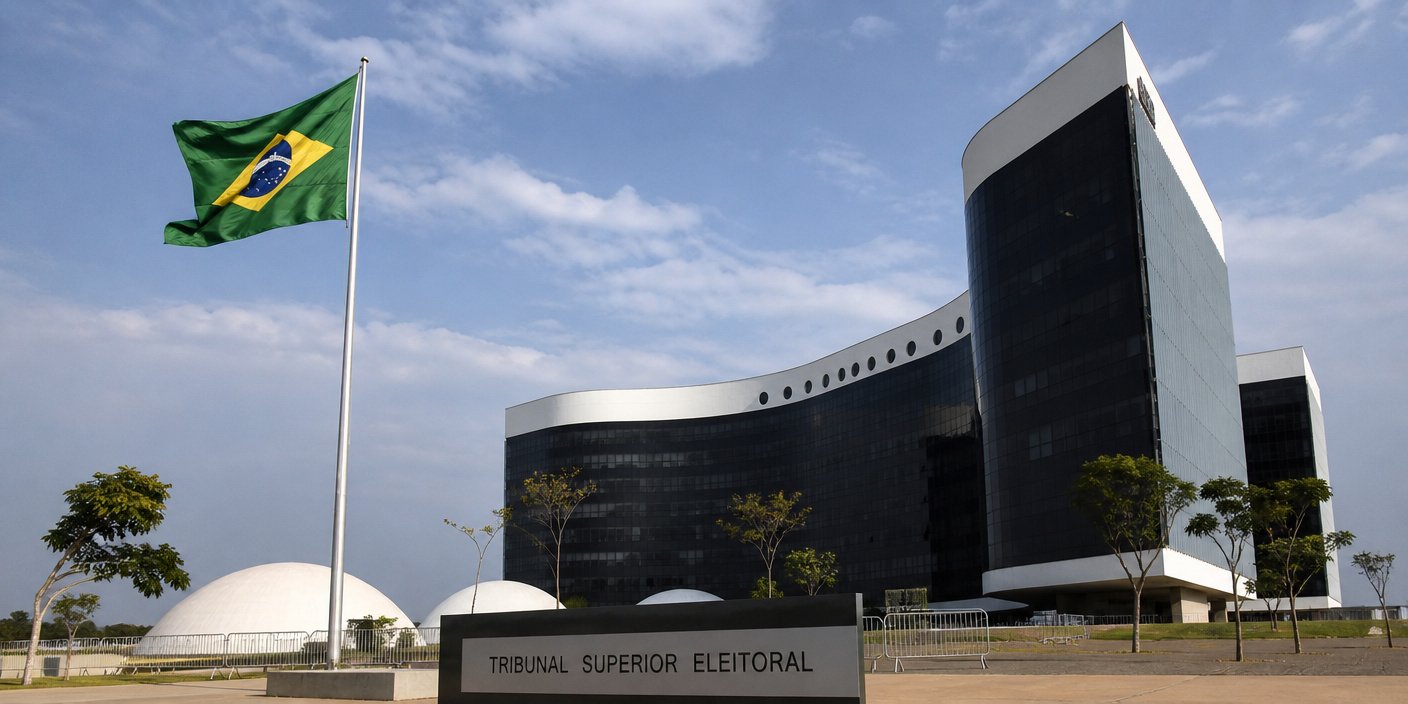
- Electoral Integrity: The Superior Electoral Court (TSE) has overseen the ballot counting process and is now managing the logistical preparations for the October 25 polling date.
A Nation at the Crossroads: The Path to October 25
The announcement that Brazil’s presidential election will proceed to a runoff is not merely a bureaucratic formality; it is a profound reflection of the current sociopolitical polarization within the country. The proximity of the vote counts—47.08% for Flávio Bolsonaro and 45.10% for Luiz Inácio Lula da Silva—signals a nation split between two distinct visions for the future. The electoral math is straightforward, yet the implications are complex. In Brazil’s electoral system, if no candidate achieves more than half of the valid votes in the first round, the top two contenders move to a runoff. This phase is designed to ensure that the eventual winner carries a stronger mandate to govern, though it often deepens the divide as candidates must consolidate their base while reaching out to supporters of eliminated candidates.
The Mechanics of the Runoff
As the country braces for the final ballot on October 25, the logistical apparatus of the Brazilian state is already in motion. The Superior Electoral Court (TSE) faces the monumental task of organizing a national vote in a condensed timeframe. This involves not only the physical distribution of voting machines and ballot security protocols but also the strict enforcement of campaign finance rules and media access regulations that govern the final weeks of the race. For the voters, the runoff simplifies the choice, transforming a multi-candidate field into a binary decision. Analysts are closely watching how the parties of the eliminated candidates will signal their support, as these secondary coalitions will likely provide the margin of victory in such a tight race.
Economic Sentiment and Voter Mobilization
The economic context of this election cannot be overstated. With Brazil acting as a major global exporter and a regional economic engine, investors are watching the volatility surrounding the runoff. The candidates have proposed starkly different approaches to fiscal policy, public spending, and international trade relations. Supporters of Flávio Bolsonaro have largely campaigned on platforms focusing on market deregulation and aggressive fiscal reform, citing these as the keys to sustainable growth. Conversely, proponents of President Lula da Silva emphasize social welfare programs, poverty reduction, and state-led development projects. This ideological clash has translated into high voter engagement, with turnout in the first round reflecting a population that feels deeply invested in the outcome of this contest.
Historical Context and Regional Stability
Historically, Brazilian runoff elections have been moments of high tension, serving as a pressure valve for political grievances. As the October 25 date approaches, observers from across Latin America and the international community are analyzing the potential for regional shifts. Brazil’s role within the BRICS alliance and its trade relationships with major powers like the United States and China make this election a matter of global importance. The stability of the democratic process during this transition period is a key concern for diplomatic partners, who are monitoring for any rhetoric that might exacerbate civil unrest. The transition between the first round and the runoff is a critical window for diplomacy, where both candidates will be scrutinized for their commitment to democratic norms, institutional respect, and the peaceful transfer of power.
Looking Toward the Final Ballot
Ultimately, the next few weeks will be defined by the scramble for the ‘middle.’ While the base of both Bolsonaro and Lula remains solidified, the 47.08% and 45.10% figures suggest that there is a significant percentage of the electorate that did not vote for either in the first instance. The campaign strategies in the coming days will shift from mass mobilization to targeted persuasion. Expect to see an increase in televised debates, a flurry of social media activity, and a relentless focus on the economic and social anxieties of the working class. As October 25 approaches, Brazil stands as a testament to the complexities of modern democracy, where every vote counted is a step toward a resolution that will dictate the country’s trajectory for the next four years.
FAQ: People Also Ask
1. Why was a runoff election triggered in Brazil?
In Brazil, a presidential candidate must secure an absolute majority—more than 50% of the valid votes—to win in the first round. Because neither Flávio Bolsonaro (47.08%) nor Luiz Inácio Lula da Silva (45.10%) reached this threshold, the two leading candidates must compete in a second-round runoff.
2. What is the specific date for the upcoming runoff election?
The runoff election is officially scheduled for October 25. All preparations are being coordinated by the Superior Electoral Court (TSE) to ensure national voting readiness.
3. How do the candidates plan to win the remaining undecided voters?
Both candidates are expected to shift their rhetoric to address broader national concerns, such as inflation, employment, and social stability. Campaigns will focus on coalition-building, seeking endorsements from the parties of candidates who were eliminated in the first round to bridge the gap and secure the majority required for victory.
4. What role does the Superior Electoral Court play in the runoff?
The TSE acts as the primary authority for administering the election. They are responsible for the security, logistics, and certification of the vote, ensuring that the runoff on October 25 adheres to the constitutional guidelines of the Brazilian republic.


Related Posts


