
Pope Leo Faces Lung Surgery: A Historic Papal Health Update
The Apostolic Medical Protocol: Addressing the Papal Health Crisis
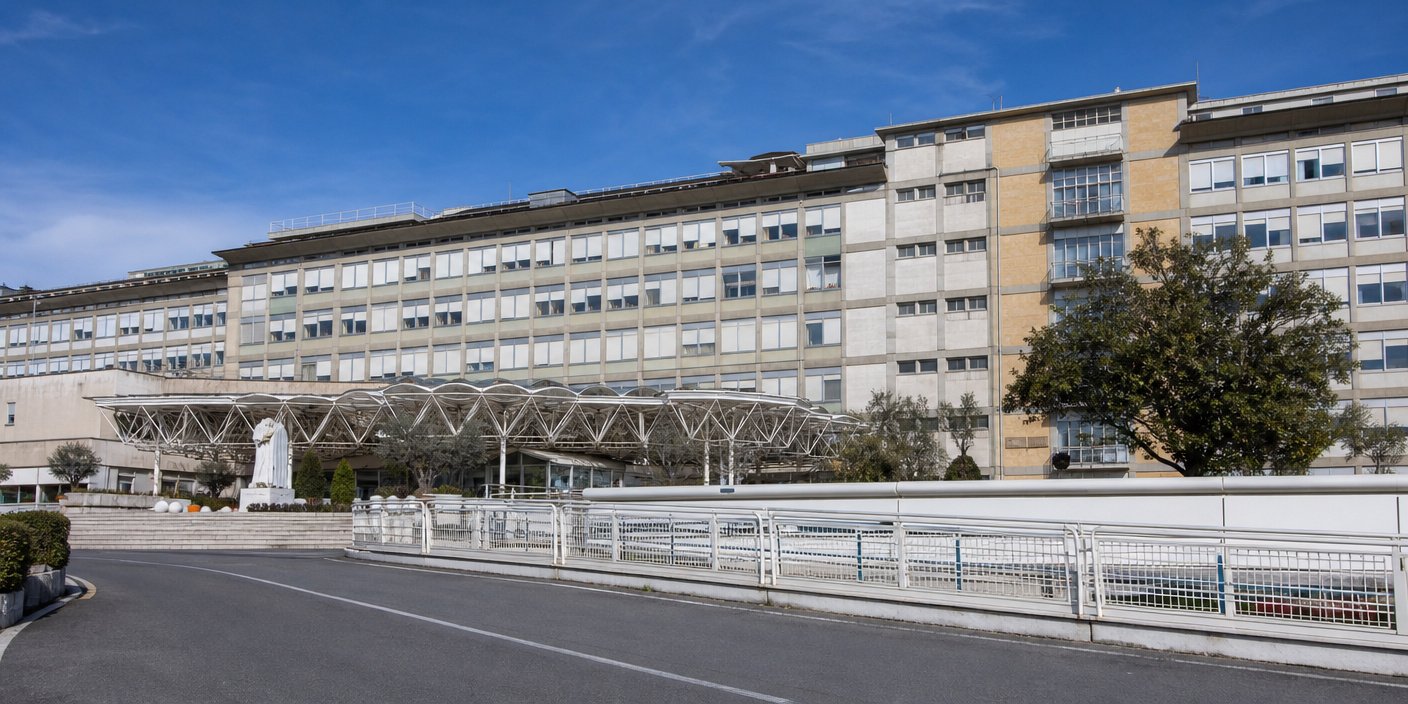
The announcement from the Holy See regarding the health of Pope Leo has sent ripples through the international community. As the first American-born pontiff, Pope Leo’s administration has been defined by a unique fusion of Western institutional transparency and the ancient traditions of the Church. The news that he is set to undergo a surgical procedure to address a nodule on his lung marks the most significant medical development of his tenure. Vatican Press Office Director Matteo Bruni confirmed in a formal bulletin that the procedure is scheduled to take place at the Gemelli University Hospital in Rome, a facility with a long history of providing care to popes, including the late John Paul II and Pope Francis.
Clinical Perspectives on the Procedure
The medical team assembled for the pontiff has characterized the nodule as a localized issue, necessitating intervention to prevent further complications. While the Vatican has maintained a veil of privacy typical of papal health matters, the specific nature of this procedure—a thoracic intervention—highlights the complex logistical challenges of managing the health of a world leader who is simultaneously the Bishop of Rome. Medical experts consulted by the press suggest that while lung nodule surgery is routine in modern medicine, the age and profile of the patient introduce a heightened necessity for post-operative monitoring. The goal of the procedure is complete resection, which will likely be performed using minimally invasive thoracic surgery techniques. This approach is intended to reduce recovery time, allowing Pope Leo to resume his apostolic duties with minimal disruption, although the Vatican has remained non-committal regarding the exact duration of the convalescence period.
Governance and the Seat of Peter
One of the primary concerns currently circulating among canon lawyers and theologians is the continuity of governance during the pontiff’s time under general anesthesia. Unlike a secular head of state who might invoke temporary transfer of executive power, the Petrine Office is unique. Canon law does not provide for a ‘deputy pope’ or a mechanism to temporarily delegate the fullness of papal authority. Consequently, the administration of the Holy See will shift into a period of ‘essential operations.’ The Secretariat of State, under Cardinal Pietro Parolin, will continue to handle diplomatic correspondence and urgent administrative mandates, while major policy decisions or public addresses are expected to be suspended until the Holy Father’s recovery reaches a sufficient milestone. This period of quietude offers a rare glimpse into the resilience of the Vatican bureaucracy, which is designed to function as an enduring institution regardless of the physical status of the occupant of the Chair of St. Peter.
The American Pontiff: A Shift in Global Perception
Pope Leo’s background as an American has fundamentally altered the relationship between the Church and the Western sociopolitical sphere. Throughout his pontificate, he has balanced the American ethos of direct communication with the Byzantine complexity of Vatican diplomacy. His health crisis has triggered an outpouring of ecumenical and interfaith support that underscores his influence. Leaders from the White House, the U.S. Conference of Catholic Bishops, and heads of state globally have issued statements of solidarity. This event serves as a stress test for the Church’s modern media strategy; the Vatican’s move to preemptively disclose the medical issue, rather than allowing rumors to metastasize, is being viewed as a continuation of Pope Leo’s commitment to institutional transparency. It is a strategic choice that distinguishes his papacy from his predecessors, reflecting a deliberate effort to humanize the office while maintaining its spiritual gravity.
Historical Precedents and Future Resilience
The history of papal health is replete with instances where the physical vitality of the pontiff became a mirror for the vitality of the Church itself. From the assassination attempts on John Paul II to the various respiratory and mobility issues faced by Pope Francis, the Vatican has refined its crisis management protocols over the last forty years. Pope Leo’s team is operating within this well-established framework of high-stakes medical oversight. The utilization of the Gemelli University Hospital is not merely a matter of convenience; it is a declaration of continuity. By adhering to established protocols and utilizing the same clinical team that has served the Vatican for decades, Pope Leo is signaling that, despite his historic American origin, he is firmly rooted in the Roman tradition. The coming days will be focused on the success of the surgery and the subsequent healing process, but the long-term question remains how this event will reshape the discussion surrounding the retirement age and health management of future popes. For now, the focus of the billion-strong Catholic faithful is on a swift recovery and the continued stewardship of their first American shepherd.


Related Posts


