
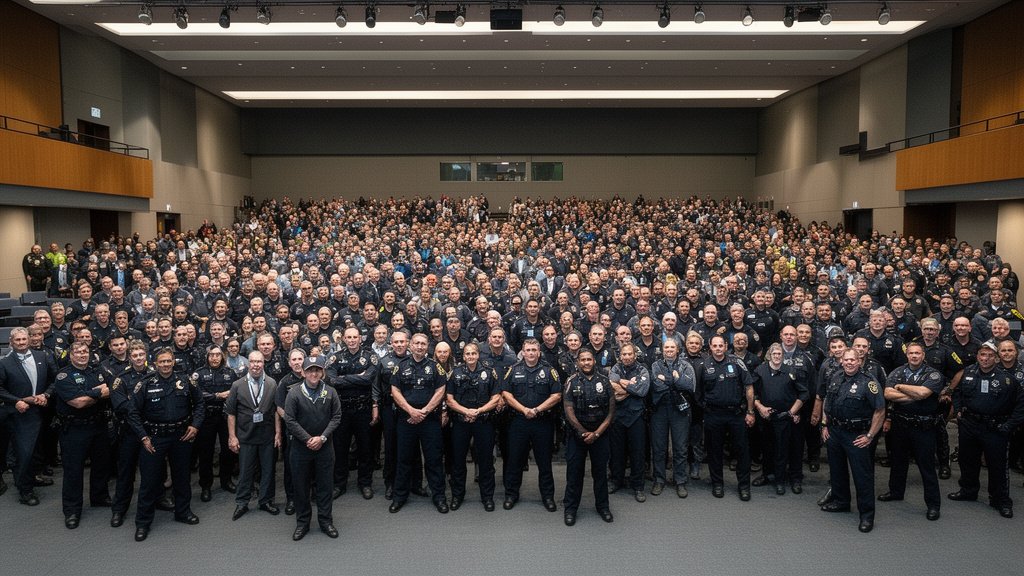
NEMLEC Unites 400 First Responders for Mental Wellness Shift
The North Eastern Massachusetts Law Enforcement Council (NEMLEC) Critical Incident Stress Management (CISM) team recently orchestrated a major regional gathering, bringing together 400 first responders in a concerted effort to address the escalating crisis of mental health, trauma recovery, and professional burnout. This initiative serves as a critical intervention point for personnel in law enforcement, fire, and emergency medical services, who are frequently exposed to high-stress environments that exact a heavy toll on personal well-being.
The Silent Crisis in Public Safety
For decades, the culture of first response has been defined by the ‘tough it out’ mentality. Officers, firefighters, and medics were often conditioned to compartmentalize trauma, viewing the request for psychological support as a sign of weakness or a potential liability to their careers. However, statistics regarding suicide, PTSD, and substance abuse within these professions have reached alarming levels. The NEMLEC event represents a deliberate departure from this historical norm. By congregating 400 professionals, the CISM team is not merely offering a workshop; they are creating a visible, collective acknowledgment that psychological health is as critical to public safety operations as tactical proficiency or physical fitness.
The NEMLEC CISM Methodology
NEMLEC’s approach utilizes the CISM model, which is an internationally recognized, comprehensive, systematic, and multicomponent crisis intervention program. Unlike traditional counseling, which occurs in a clinical office setting, CISM interventions are designed to be immediate, accessible, and peer-supported. The recent event focused on the ‘wellness’ aspect—moving beyond just reacting to specific critical incidents to fostering a proactive, sustainable lifestyle for first responders. The curriculum emphasized the importance of sleep hygiene, nutritional support, and, most importantly, the removal of the stigma surrounding professional help-seeking behaviors.
A Structural Shift in Peer Support
One of the most significant takeaways from this event was the emphasis on Peer Support Networks. The event highlighted that first responders are significantly more likely to engage with mental health resources if those resources are vouched for by their peers. By utilizing 400 attendees as a foundational cohort, NEMLEC is strengthening a decentralized support network where officers and medics know exactly who to call when the weight of their duties becomes unmanageable. This creates a safety net that operates 24/7, outside the rigid confines of departmental bureaucracy.
Exploring Secondary Angles
1. The Legislative Landscape and Mandates: Across Massachusetts and the broader United States, there is a growing legislative push—often tied to police reform and POST (Peace Officer Standards and Training) Commission guidelines—that mandates mental health standards for public safety agencies. This NEMLEC initiative serves as a template for how agencies can meet and exceed these legislative wellness mandates through proactive regional cooperation.
2. The Economic Impact of Resilience: Burnout and PTSD are not just human tragedies; they are economic drains on municipalities. The cost of training a new officer, firefighter, or medic is substantial. By investing in wellness, NEMLEC is helping agencies retain experienced personnel, thereby reducing turnover costs and ensuring that departments maintain their most valuable asset: experienced human capital.
3. Intersectionality of First Response: The event uniquely brought together police, fire, and EMS under one roof. This intersectional approach is crucial because trauma in the field is rarely isolated to one discipline. When a tragic event occurs, all three services are often on the scene. Facilitating joint wellness training allows these disparate departments to build a shared language of support, improving communication and trust during future high-stress operations.
FAQ: People Also Ask
Q: What is the NEMLEC Critical Incident Stress Management (CISM) Team?
A: The NEMLEC CISM team is a specialized unit dedicated to providing support to first responders who have been involved in traumatic events. They utilize systematic peer-support and psychological intervention models to help mitigate the impact of traumatic stress.
Q: Why was the recent event with 400 responders significant?
A: Gathering 400 attendees is a massive scale for this type of event, signifying a culture shift. It moves mental health from a ‘niche’ discussion to a mainstream priority within public safety, fostering a large community of professionals who can now support one another.
Q: How does this initiative help prevent suicide in first responders?
A: By normalizing the conversation around mental health, these initiatives reduce the fear of professional reprisal for seeking help. It provides responders with concrete tools to identify early warning signs in themselves and their colleagues, allowing for intervention before a crisis leads to tragic outcomes.
Q: Are there plans for future wellness events like this?
A: While specific schedules vary, the success and high attendance at this NEMLEC event have set a new operational standard, strongly suggesting that regional wellness training and CISM certification will become a recurring, vital component of the council’s annual agenda.


Related Posts


