New York Fashion Week’s Digital Evolution: Trends, AI, and Forever 21’s Tech-Forward Reshaping
New York Fashion Week (NYFW) has long been a barometer for the fashion industry’s creative pulse, and recent seasons have underscored a significant shift: the deep integration of technology into the very fabric of design, presentation, and retail. This year’s event showcased not only forward-thinking aesthetics but also a pervasive embrace of digital innovation, a trend exemplified by major strategic moves like Authentic Brands Group’s (Authentic) ongoing transformation of the iconic Forever 21 brand.
The Digital Frontier of the Runway
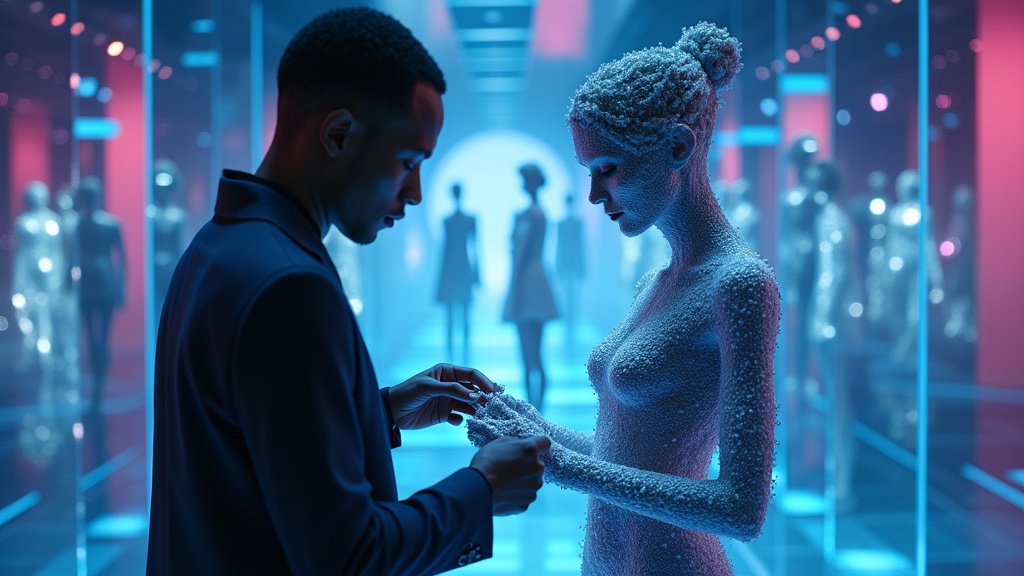
The runways themselves are becoming more technologically infused. AI and immersive technologies are no longer fringe concepts but active tools shaping how designers present their collections and how audiences engage. This past season saw brands experimenting with AI-generated backdrops, creating surreal and dynamic visual landscapes for their shows. For instance, Alexander Wang utilized machine learning for his runway backdrops and collaborated on unique 3D-printed designs, signaling a new era where digital tools augment traditional craftsmanship. Ralph Lauren further championed this trend by launching “Ask Ralph,” an AI-powered personal stylist integrated into their app, designed to offer styling advice and engage customers in a personalized shopping journey, developed in partnership with Microsoft and OpenAI. This integration of AI into consumer-facing platforms demonstrates a commitment to enhancing the shopping experience beyond the initial runway presentation.
The broader fashion news from NYFW points to a widespread adoption of AI for trend forecasting, design ideation, and creating virtual models or “digital twins.” These virtual personas offer brands flexibility in marketing and lookbooks, mitigating logistical challenges and expanding creative possibilities. As AI becomes more sophisticated, its role in providing hyper-personalized recommendations and enhancing customer service is becoming a key differentiator for brands looking to capture consumer attention in an increasingly crowded market.
Authentic Brands Group and Forever 21’s Digital Pivot
A significant development highlighting the blend of fashion and technology is Authentic Brands Group’s strategic reshaping of the Forever 21 brand. Following Authentic’s acquisition of the fashion retailer in 2020, the focus has increasingly shifted towards a digital-first, consumer-led approach. In a recent announcement in September 2025, Authentic revealed a new network of strategic operating partners for Forever 21’s U.S. operations, specifically targeting a transformation into a digital-first entity.
This new structure sees Unique Brands taking the helm of Forever 21’s U.S. e-commerce operations and men’s wholesale, while Kidz Concepts will manage the children’s wear segment. This move underscores Forever 21’s commitment to leveraging digital channels to reach its customer base effectively, a critical strategy in today’s retail landscape. This initiative aligns with an earlier partnership announced with SHEIN in 2023, which aimed to utilize SHEIN’s on-demand production model to reduce inventory waste and enhance efficiency in apparel and accessories, further emphasizing a drive towards more sustainable and responsive retail practices. Authentic’s strategy with Forever 21, balancing digital expansion with plans for physical store revivals, signifies a nuanced approach to modern retail, recognizing the continued importance of both online presence and tangible consumer experiences.
Sustainability Meets Innovation
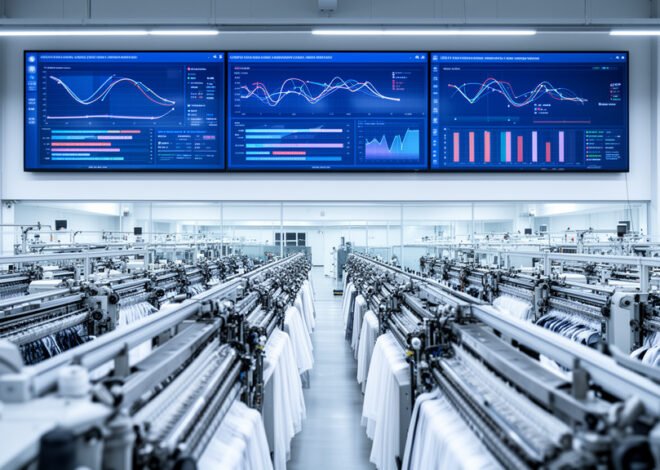
Beyond the direct application of AI in design and customer engagement, technology’s role in fostering sustainability within the fashion industry was also a notable theme. Innovations in textile recycling, AI-powered supply chain optimization for reduced emissions, and data analytics for waste prediction are becoming integral to brands’ environmental strategies. Events like Miami Fashion Week in October 2025 are also actively positioning themselves as hubs where technology and sustainability converge, showcasing virtual fashion shows and AI-driven solutions for a more eco-conscious industry. The push towards digital transformation is not merely about convenience but also about creating a more responsible and efficient fashion ecosystem.
A Glimpse into Fashion’s Future
New York Fashion Week continues to be a dynamic platform where established trends meet emerging technologies. From the conceptual use of AI in design and marketing to the strategic digital reinvention of brands like Forever 21, the message is clear: the future of fashion is inextricably linked with technological advancement. As the industry navigates challenges from global economics to environmental concerns, innovation in both aesthetics and operations will be key. The recent blend of trends and technology at NYFW paints a vivid picture of an industry in constant evolution, adapting and innovating to meet the demands of a rapidly changing world.


Related Posts