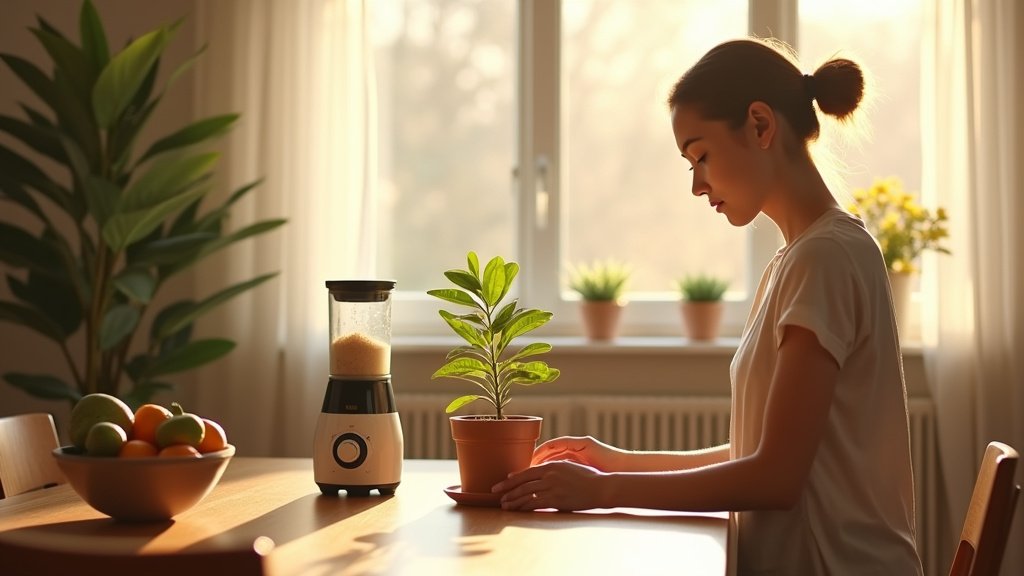
The Gentle Revolution: Embracing Joy and Balance in the New Era of Self-Care
The relentless pressure of “hustle culture” is giving way to a more serene and intentional approach to well-being. This significant recent shift, often dubbed the “Post-Hustle Era of Self-Care,” prioritizes small, daily moments of joy and balance over constant productivity. The wellness landscape is transforming, moving away from demanding practices towards a more relaxed, home-centric ethos focused on holistic contentment.
The Great Burnout: Escaping the Hustle Treadmill
For years, the narrative of success was inextricably linked to relentless ambition and constant work, a phenomenon that led to widespread burnout, anxiety, and depression. This pervasive “hustle culture” often equated self-worth with output, leaving individuals feeling guilty for taking breaks or prioritizing rest. In response, a cultural counter-movement has emerged, characterized by trends like “quiet quitting” and the “soft life” philosophy, which actively reject the idea that one’s value is determined by perpetual grind. This rejection signifies a growing societal awareness of the mental health cost associated with an “always-on” mentality.
Home as a Sanctuary: The Rise of Domestic Wellness
As individuals step back from the intensity of constant hustle, the home has been reclaimed as a primary sanctuary for well-being. This evolution is reflected in consumer spending, with notable growth in sales of small appliances like blenders and air purifiers, alongside a general increase in home comfort items [initial context, 30, 35, 41]. This trend underscores a desire to create nurturing and restorative personal environments, transforming living spaces into hubs of personal care and comfort. The emphasis is on domestic tranquility and the enhancement of daily life through thoughtful home upgrades.
The Rebirth of Adult Play and Cognitive Engagement
Beyond passive comfort, the post-hustle era is also seeing a resurgence in activities that foster cognitive engagement and social connection. Games like Mahjong are experiencing a revival, valued not just for their strategic depth but for their ability to facilitate social interaction and keep minds sharp. Similarly, the market for adult collectibles, such as Pokémon cards, has boomed, driven by nostalgia and a desire for tangible objects that offer emotional engagement, display value, or even serve as investments. This signifies a broader recognition that leisure and play are essential components of adult well-being, contributing to mental agility and a sense of fulfillment.
Functional Self-Care: Boosting Mood and Confidence
Self-care practices are also becoming more sophisticated and goal-oriented, moving beyond simple pampering to actively enhance mood and confidence. The functional skincare market is thriving, with products designed to boost mood and self-esteem through ingredients, fragrances, and sensorial experiences [initial context, 18, 19, 20, 22, 23]. This trend is particularly evident in the significant expansion of men’s grooming and self-care routines, with a substantial and growing percentage of men now actively engaging in these practices [initial context, 7, 12, 13, 14, 15]. The focus is on personalized solutions that promote confidence and a sense of personal investment.
“Food for Mood”: Nourishing the Mind Through Diet
Dietary choices are increasingly being viewed through the lens of mental and emotional well-being, giving rise to the “mood food” trend. Consumers are actively seeking out foods and beverages that can positively impact their mood, reduce stress, and enhance cognitive function [initial context, 2, 4, 5, 10]. This movement favors functional ingredients, mindful consumption, and products that offer benefits beyond basic nutrition, aligning with a holistic approach to health that includes mental and emotional states.
Embracing a New Balance
The collective shift away from the demanding “hustle culture” towards a more balanced, joy-focused approach marks a significant evolution in how society defines success and well-being. This new era of self-care champions intentionality, the value of home, the importance of adult play, and the integration of mood-boosting practices across diet, personal care, and leisure. It’s a comprehensive redefinition of self-care, emphasizing that true well-being is found not in constant striving, but in the quiet cultivation of daily contentment and balance. This significant recent news within the wellness sector heralds a more sustainable and fulfilling path forward.


Related Posts