
Puccini’s ‘La Rondine’ Divides Audiences with Bitter Final Act
Giacomo Puccini’s La Rondine opera has a new interpretation that brings a controversial revision to light, leaving audiences with a bitter aftertaste and contrasting sharply with earlier, sweeter endings. This La Rondine opera explores themes of love and sacrifice, while also touching on social class and dreams. The opera’s complex narrative and its journey through revisions make it a fascinating work in the opera repertoire.
The Elusive La Rondine Opera
“La Rondine” means “The Swallow.” Giacomo Puccini composed this unique Puccini opera. It premiered in 1917. The La Rondine opera was originally intended as an operetta, blending grand opera with lighter musical styles. Its story follows Magda, a courtesan in Paris who longs for true romantic love. She abandons her wealthy protector and elopes with a young man named Ruggero. The opera depicts her journey and her search for happiness. However, the work has remained less known, often struggling to find a firm place in the opera repertoire. Critics noted its unique blend; some find it “artificial,” while others praise its elegance. It has a rich orchestral score and features many waltzes. The Giacomo Puccini music is undeniably his, showing glimpses of his other famous works. The La Rondine opera’s plot is complex, often seen as a cousin to “La Traviata,” but it lacks a redemptive third act. A servant subplot adds another layer, contributing to its distinctive character.
Puccini’s La Rondine Revision
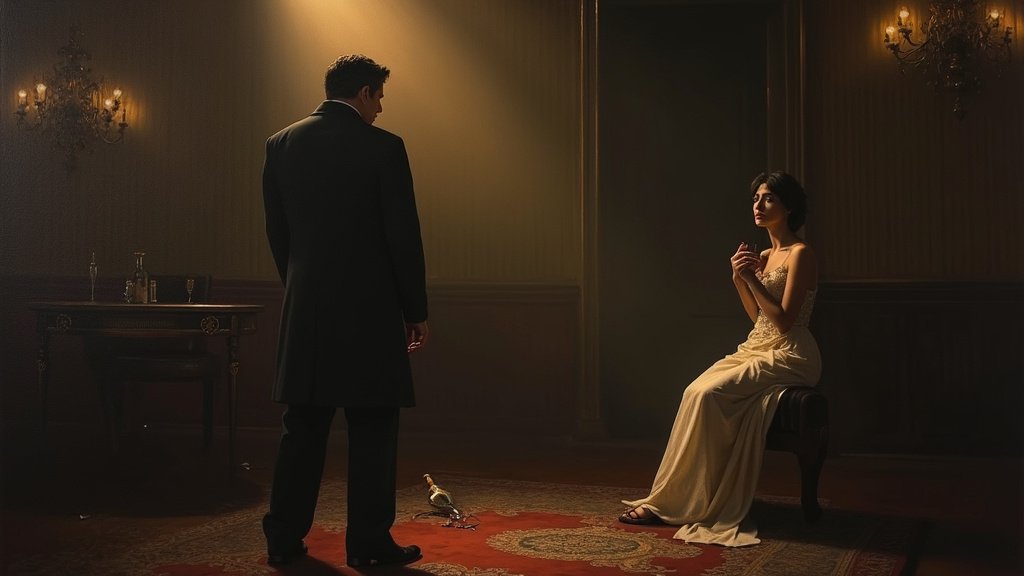
Puccini revised “La Rondine” multiple times, never fully satisfied with the result. His final preferred version, the 1921 version opera, significantly altered the La Rondine opera’s conclusion. The original 1917 premiere featured a different ending where Magda leaves Ruggero nobly, seeking his happiness. Puccini’s later La Rondine revision presents a darker turn. In the 1921 version opera, Ruggero discovers Magda’s past and angrily rejects her. This dramatic shift changes the opera’s emotional core, transforming the expected sweet resolution into a bitter, tragic aftertaste. This final version was Puccini’s last word on the La Rondine opera, though he never saw it staged. The score’s parts were later destroyed, making the 1921 version opera rare. Recent scholarship has allowed its reconstruction, giving opera companies new choices and allowing for the performance of Puccini’s final thoughts on this particular Puccini opera.
A Bitter La Rondine Opera Performance in London
Opera Rara recently staged this 1921 version opera. The Opera Rara performance took place at London’s Barbican Hall, with the BBC Symphony Orchestra playing and Carlo Rizzi conducting. Ermonela Jaho sang the role of Magda, and Iván Ayón-Rivas portrayed Ruggero. The review highlighted the stark ending of this La Rondine opera, stating the production left an aftertaste of bitterness, stemming directly from Ruggero’s angry dismissal of Magda. The Giacomo Puccini music itself received praise. Rizzi’s conducting was described as sparkling, and the orchestra played with energy. The BBC Singers contributed precision. The cast sang from behind music stands but still managed to act effectively. Jaho’s Magda was compelling, her soprano beautifully sung. Ayón-Rivas impressed as Ruggero, showing ardent passion with vibrant top notes. The supporting cast also performed well, with Juan Francisco Gatell as Prunier earning acclaim and Ellie Neate as Lisette also standing out. However, the production’s impact was defined by its ending, marking a departure from lighter interpretations of the La Rondine opera.
Cultural Resonance and News of La Rondine Opera
This recent staging is part of a broader cultural conversation about La Rondine opera. It often challenges audiences as it does not fit neatly into operatic categories. Some productions update its setting, with the 1920s being a popular choice to evoke glamour and art deco. Other recent news in culture shows a demand for diverse operatic experiences. The Metropolitan Opera has also staged La Rondine opera, with productions often featuring lavish sets and prominent singers. These stagings aim to elevate the opera and highlight its romantic vision of Paris. However, the La Rondine opera’s dramatic weight remains debated; some see it as too sentimental, while others find its libretto weak. Yet, its Giacomo Puccini music offers abundant charm. This news underscores the ongoing exploration of Puccini’s less-performed works, bringing renewed attention to his creative process and highlighting his late-career revisions, which often reveal his evolving artistic intentions. This opera’s journey continues to fascinate and remains a subject of critical study, offering a complex emotional landscape and prompting new discussions about Puccini’s legacy.
A New Perspective on La Rondine Opera
Puccini’s La Rondine opera is a curious bird. Its revised ending shifts the mood from sweet romance to tragic reality. This new interpretation provides a potent statement, forcing audiences to confront difficult choices and challenging conventional operatic resolutions. The La Rondine opera explores love’s fragility, questions the pursuit of dreams, and highlights the cost of past choices. This recent production emphasizes these darker themes, offering a powerful, albeit bitter, conclusion and ensuring La Rondine opera remains a topic of opera news. The swallow flies, but its journey ends with a sharp pang. Puccini’s final vision, the bitter opera ending of the 1921 version opera, is now more clearly heard, offering a stark, compelling experience. This recent performance has certainly sparked debate, underscoring the enduring power of Giacomo Puccini music and his willingness to explore complex emotions. The opera’s darker turn provides a potent dramatic statement and has left a lasting impression on the opera repertoire.

Related Posts


