Milan Menswear Fashion Week: Wintry Shows Blend with Industry’s Economic Realities
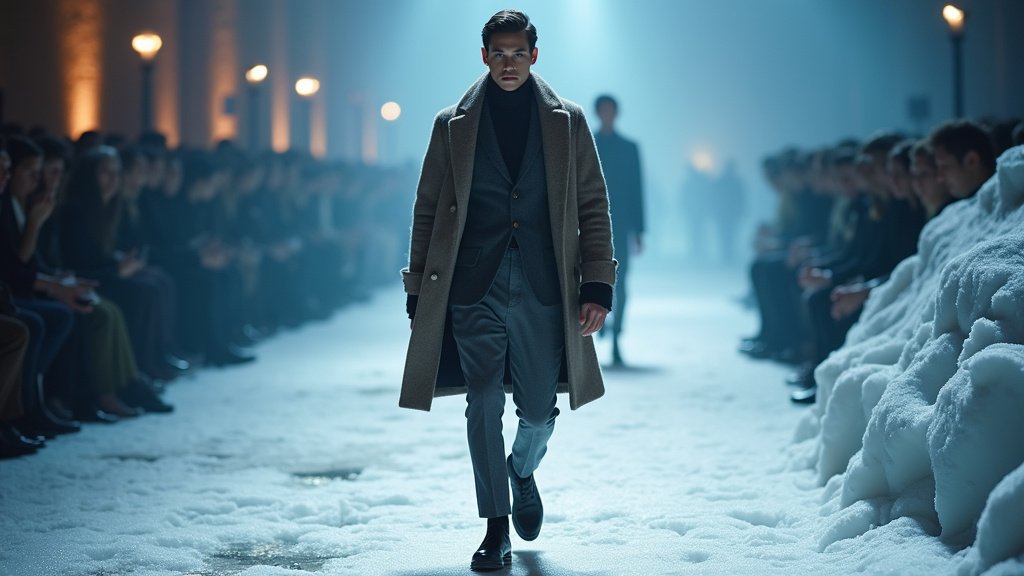
The recent Milan Menswear Fashion Week has begun, marking a significant moment for Milan Menswear Fashion. It commenced on January 16, 2026, showcasing wintry and sporty themes across several major designers’ latest collections. Ralph Lauren made a notable return, blending American elegance with modern touches in his first Milan show in 20 years. Dsquared2 presented looks inspired by alpine adventures, with actor Hudson Williams making his runway debut for the brand. Prada and Dolce & Gabbana also unveiled their collections, with Prada embracing a subtle tonal shift and Dolce & Gabbana exploring various facets of modern masculinity within the broader scope of Milan Menswear Fashion.
Giorgio Armani’s Enduring Legacy in Milan Menswear Fashion
The Giorgio Armani show is proceeding, carrying added emotional weight as the first menswear presentation since the passing of Giorgio Armani in September 2025. This event honors the designer’s enduring legacy, with the brand continuing his unique vision. The continued success of such iconic houses highlights the resilience inherent in Milan Menswear Fashion, even amidst broader challenges.
The Italian Fashion Industry Navigates Economic Headwinds in Milan Menswear Fashion
The Italian fashion industry, a cornerstone of global style, faces significant economic challenges that impact the landscape of Milan Menswear Fashion. Menswear turnover declined by 2.1 percent in 2025, resulting in approximately 11.2 billion euros in revenue. Industrial production also contracted by 2.3 percent. Exports experienced a decline of 2.0 percent, marking a reversal after several years of growth. Exports totaled around 8.7 billion euros, while imports saw an increase, compressing the sector’s trade balance. Confindustria Moda reports that Italian menswear exports fell by 3.2 percent in the first seven months of 2025, with imports growing by 5.5 percent during the same period. France remains the leading export destination, followed by the US and Germany. However, exports to non-EU countries have contracted, presenting a clear hurdle for the future of Milan Menswear Fashion.
Seeking New Markets and Resilience for Menswear Collections
In response to these Economic Challenges Fashion presents, the industry is actively seeking new markets, with focus areas including Mercosur and the Middle East. The EU-Mercosur trade agreement could open new opportunities, aiming to reduce trade tariffs and potentially boost fashion exports to South America. The Middle East remains a bright spot for luxury goods, where wealthy shoppers are supporting the sector, helping to offset weakness in other key markets. Italian companies must innovate and strengthen foreign ties to maintain the prominence of their Menswear Collections and the overall Italian Fashion Industry. Leveraging international platforms like Pitti Uomo is crucial for the continued success of Milan Menswear Fashion.
A Season of Contrasts: Fashion Week Trends and Future Outlook
Milan’s recent fashion week showcases resilience amidst Fashion Week Trends and economic pressures. Designers presented creative collections with wintry and sporty themes dominating. However, the industry faces significant economic pressures, a duality that defines the current fashion news and the overall outlook for Milan Menswear Fashion. The sector navigates a complex global landscape, with Italian fashion aiming for renewed growth and a stronger position in the global market, particularly for its renowned Menswear Collections.

Related Posts