Schiaparelli’s Surrealist Legacy: Fashion Reimagined
A blockbuster exhibition explores how surrealist designer Elsa Schiaparelli redefined fashion, turning garments into provocative canvases and cementing her status as an iconoclast of the 20th century. By seamlessly merging the boundaries between high art and haute couture, Schiaparelli challenged the rigid conventions of her time, creating a legacy that continues to influence contemporary designers and celebrities alike. Her work remains a testament to the power of artistic subversion in the world of high fashion.
- Elsa Schiaparelli’s historical collaboration with Salvador Dalí produced some of the most iconic surrealist fashion pieces, including the ‘Lobster Dress’.
- The exhibition showcases rare archival pieces, illustrating her innovative use of shocking pink and unconventional materials.
- Scholars highlight her role in democratizing fashion by introducing ready-to-wear concepts while maintaining couture craftsmanship.
- The display emphasizes her influence on modern red-carpet styling and celebrity couture, bridging the gap between historical surrealism and current trends.
The Deep Dive
The Intersection of Art and Dress
Elsa Schiaparelli did not merely design clothing; she engineered experiences. Operating in the interwar period in Paris, her atelier became a sanctuary for surrealist thought. Unlike her contemporaries who focused primarily on silhouette and elegance, Schiaparelli sought to provoke a visceral reaction. Her philosophy was rooted in the belief that fashion should be as intellectually stimulating as it is physically functional. This approach led to creations that defied logic—trompe l’oeil sweaters that mimicked bows and collars, and accessories adorned with insects or disembodied limbs. By collaborating with visionaries like Salvador Dalí, Jean Cocteau, and Man Ray, she elevated fashion to the status of fine art, ensuring that her designs were discussed in gallery spaces as often as they were seen on runways.
The Anatomy of Shocking Pink
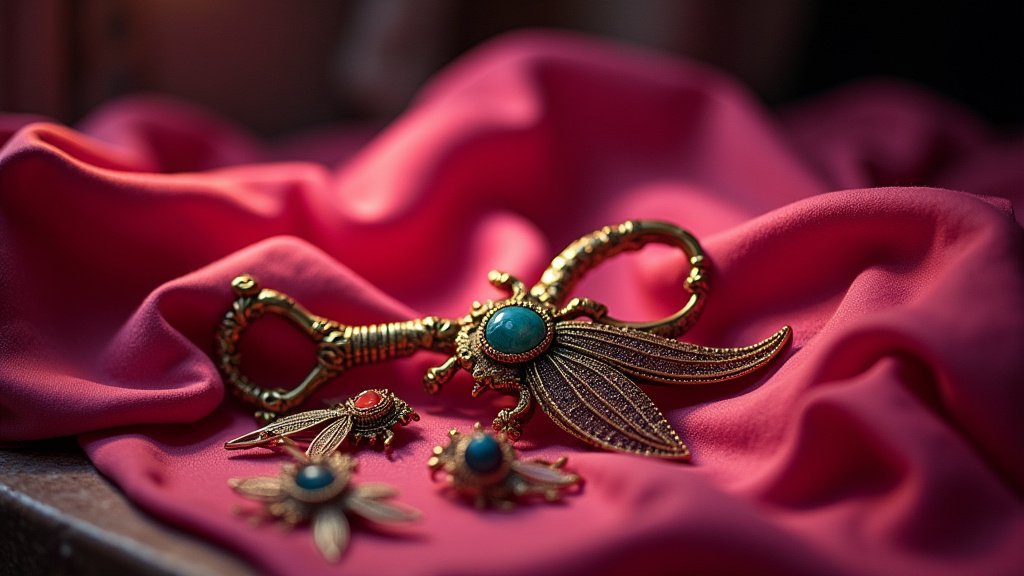
One cannot discuss Schiaparelli’s impact without acknowledging her signature color: ‘Shocking Pink’. In an era dominated by the restrained palettes of the 1930s, her introduction of this bold, synthetic magenta was a radical act of defiance. It was more than a color choice; it was a branding triumph that signaled a departure from traditional femininity. The exhibition provides a forensic look at how she utilized color to alter the psychological perception of a garment. This deliberate use of saturation remains a pillar of her design language, informing the bold aesthetic choices seen in modern collections that prioritize visual impact and social media shareability. The archival displays demonstrate that Schiaparelli understood the commercial and artistic value of a ‘signature aesthetic’ decades before it became a standard industry requirement.
Architectural Innovation and Structural Design
Beyond the art-influenced surfaces, Schiaparelli was a master of structural innovation. She experimented with zippers as decorative elements, broad, padded shoulders that empowered the female silhouette, and unique closures that mimicked everyday objects. Her technical prowess allowed her to push the boundaries of what was considered ‘wearable’. The exhibition reveals that many of her ‘experimental’ techniques are the foundations upon which modern tailoring is built. By treating the human body as a structure rather than just a canvas, she paved the way for the sculptural, avant-garde fashion that dominates today’s high-concept exhibitions. Her work proves that true longevity in fashion design requires a balance between creative disruption and impeccable construction.
FAQ: People Also Ask
Why is Elsa Schiaparelli considered a surrealist designer?
She is considered a surrealist because she integrated themes of dreams, the unconscious, and the absurd into her garments, often collaborating directly with prominent Surrealist artists of the 1930s to create pieces that subverted traditional expectations of beauty.
What is the significance of the ‘Lobster Dress’?
The ‘Lobster Dress,’ designed in collaboration with Salvador Dalí, is a seminal piece of surrealist fashion. It challenged the taboo of wearing ‘unfashionable’ motifs and demonstrated that high couture could incorporate provocative, non-traditional imagery, blurring the lines between art and utility.
How does Schiaparelli’s work influence modern fashion today?
Her influence is seen in the continued use of bold, eccentric design, the prioritization of ‘viral’ fashion moments, and the industry’s ongoing tendency to collaborate with non-fashion artists to create high-concept, avant-garde collections that demand conversation.

Related Posts