Nationwide Fury Erupts: Protests and Strike Grip US Over ICE Shootings
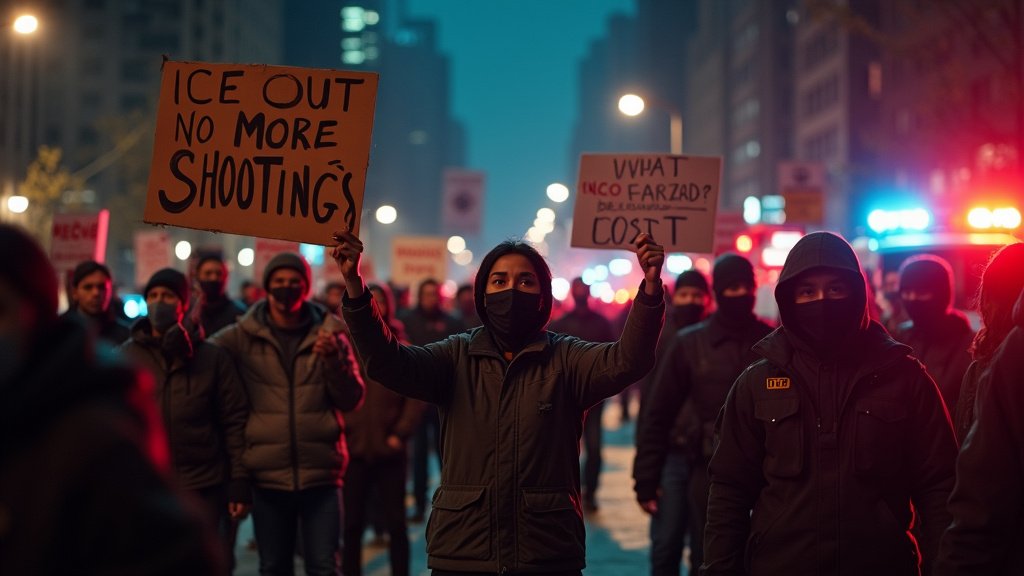
Waves of protest swept the United States. This happened on January 30, 2026. The nation reacted with outrage. Recent fatal shootings by federal agents fueled this. Alex Pretti died in Minneapolis. Renée Good also lost her life. These events sparked nationwide anger. Activists launched an “ICE Out” movement. They called for a general strike. Hundreds of actions took place. These included marches and vigils. Many businesses closed for the day. Students and labor unions joined. The protests escalated tensions. They highlighted ICE’s aggressive tactics. Critics warned of civil liberties erosion. The administration defended its actions. But public outcry grew louder.
The Fatal Spark
Minneapolis became an epicenter. Alex Pretti, an ICU nurse, died there. He was shot by Border Patrol agents. This occurred on January 24, 2026. Witnesses said ICE agents tried to enter a shop. A person they pursued was inside. The employees locked the doors. Pretti was across the street. He tried to direct traffic. He also intervened when agents sprayed a woman with chemicals. Videos show agents taking Pretti down. They then shot him multiple times. Federal agents involved wore masks. Their identities remain secret. This lack of transparency caused further anger. Pretti was a US citizen. He was known for his care. His family expressed heartbreak and rage. They stated he wanted to make a difference.
Renée Good was another victim. She was fatally shot by an ICE officer. This happened earlier in January. Her death also galvanized protesters. These killings are part of a pattern. Activists cite excessive force. They also mention detention abuses. The “ICE Out” movement points to these. They demand an end to ICE operations. They call for defunding the agency. Protests also memorialized others. Geraldo Campos died in a detention facility. Keith Porter Jr. was shot by an off-duty ICE officer. These deaths fueled broader outrage.
The “ICE Out” Movement Takes Hold
The “ICE Out” movement gained momentum. It called for a “No work. No school. No shopping.” slogan. This aimed for a nationwide economic shutdown. Thousands participated. Labor unions supported the strike. Many businesses heeded the call. They closed their doors for the day. This demonstrated solidarity. It also showed economic power. Students walked out of classes. Teachers joined the action. They demanded change. The protests spread to all 50 states. They included vigils and marches. In some cities, tensions flared. Confrontations with police occurred. However, many actions remained peaceful. They aimed to raise awareness. They sought to pressure officials. The movement criticized “Operation Metro Surge.” This was an intensified ICE operation. Organizers called it a “racist agenda.” They argued it sowed fear. It targeted communities daily. The strike aimed to say “enough is enough.”
Journalist Arrests Stir Controversy
Protests also focused on ICE’s role in communities. One demonstration occurred at a St. Paul church. An ICE official served as a pastor there. Protesters disrupted the service. They chanted “ICE out.” Journalist Don Lemon was present. He was covering the protest. Federal agents later arrested him. They also arrested other journalists. Independent journalist Georgia Fort was among them. They faced charges. These included conspiracy. They also involved interfering with religious freedom. The arrests drew widespread condemnation. Many journalists defended their role. They stated they were documenting events. They felt targeted for their work. Attorneys called the arrests “outrageous.” They viewed it as an attack on the First Amendment. Some saw it as an attempt to silence dissent. Lemon himself vowed not to be silenced. He has spent his career covering news. He will not stop now.
Political Fallout and a Looming Shutdown
These events had political consequences. The ICE shootings complicated government funding talks. Democrats demanded ICE reforms. They linked these demands to DHS funding. They sought a code of conduct for agents. They also wanted independent investigations. Furthermore, they called for body cameras. They opposed masked agents and “roving patrols.” Senate Democrats blocked a DHS funding bill. This threatened a partial government shutdown. Talks continued. A deal eventually emerged. It would temporarily fund the DHS. This averted an immediate shutdown. However, it delayed key debates. Lawmakers still needed to address ICE reforms. The Trump administration’s immigration crackdown remained a central issue. The events highlighted deep divisions. They showed the power of public protest. The calls for accountability echoed nationwide.
Broader Implications and Future Actions
The protests signified a broader struggle. They represented opposition to federal power. They challenged immigration enforcement policies. The “ICE Out” movement continues its work. Organizers plan further actions. They target businesses supporting ICE. Boycotts aim to exert economic pressure. The fight for immigrant rights is ongoing. The recent events have amplified voices. They have brought ICE actions under scrutiny. The demand for transparency is loud. The debate over federal agents’ conduct persists. These featured events show a nation awakening. They signal a demand for justice. The impact of these recent protests will be significant. People are watching closely for future developments.

Related Posts