UNESCO Recognizes Diwali: Festival of Lights Added to Intangible Cultural Heritage List
UNESCO Recognition of Diwali: A Landmark Moment for the Festival of Lights
The world is celebrating a significant cultural moment as Diwali UNESCO Recognition is officially acknowledged, a major honor placing it on the Intangible Cultural Heritage list. This announcement marks a global appreciation for the Festival of Lights, and Prime Minister Narendra Modi called the Diwali UNESCO Recognition a proud moment for Indian civilization, highlighting the festival’s deep cultural significance and global importance. This recent news has brought joy to millions and reinforces India’s cultural footprint. The Diwali UNESCO Recognition underscores its status as a vital element of our shared human heritage and a significant achievement for Deepavali UNESCO inscription.
The Historic Context of the Diwali UNESCO Recognition in Delhi
The official announcement of the Diwali UNESCO Recognition happened in New Delhi. India hosted the 20th UNESCO Intangible Cultural Heritage Committee session, a pivotal meeting that took place from December 8 to 13, 2025, at the historic Red Fort, itself a UNESCO World Heritage Site. India is hosting this session for the first time, making the Diwali UNESCO Recognition even more symbolic. The inscription was adopted on Wednesday, December 10, 2025, with delegates from 194 member states and international experts in attendance. The inclusion of Diwali on the UNESCO list is a testament to its profound cultural significance, showcasing the importance of Diwali UNESCO Recognition.
Understanding Intangible Cultural Heritage and the Importance of Diwali UNESCO Recognition
UNESCO defines intangible cultural heritage as living traditions, including practices, knowledge, expressions, and skills that communities pass down through generations, evolving over time. This heritage strengthens cultural identity and promotes appreciation for diversity. The 2003 Convention for the Safeguarding of Intangible Cultural Heritage aims to protect these living traditions threatened by globalization and social changes. The Diwali UNESCO Recognition is a crucial step in safeguarding the festival for the future, bringing it global visibility and protection support. This signifies a major achievement for Diwali UNESCO Recognition and highlights the value of the Festival of Lights heritage.
Diwali’s Journey to the UNESCO List: A Deepavali UNESCO Inscription
The process for inscription is rigorous, requiring a country to nominate an element. India nominated the ‘Deepavali’ Festival for the 2024–25 cycle, leading to this significant Deepavali UNESCO inscription. The nomination dossier requires extensive documentation, showing community consent and participation, along with feasible safeguarding measures. The Sangeet Natak Akademi prepared India’s nomination for the Diwali UNESCO Recognition, involving consultations with many groups, including practitioners, artisans, and diaspora groups, crucial for the Deepavali UNESCO inscription.
The Profound Significance of Diwali’s UNESCO Recognition
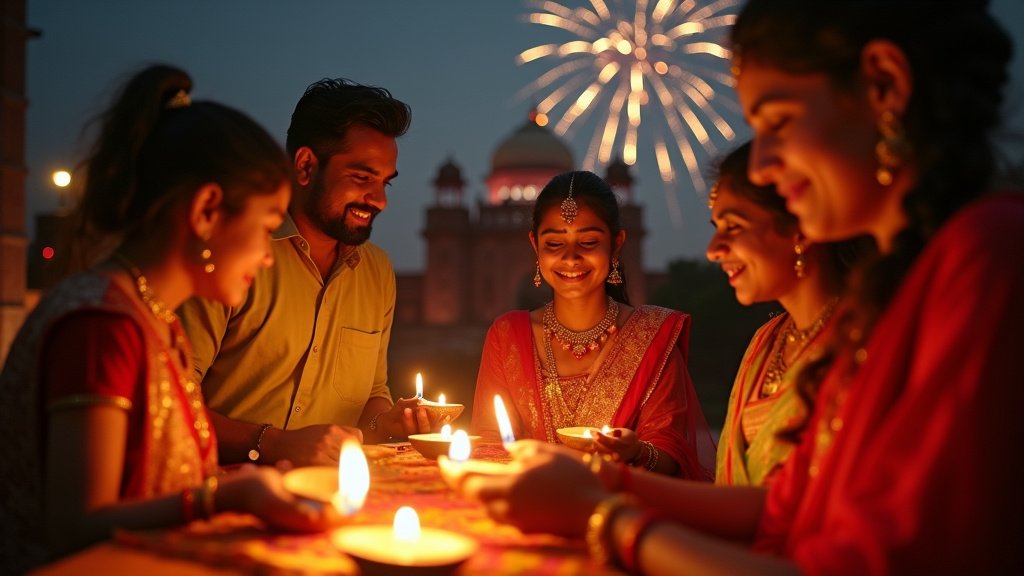
Diwali, the Festival of Lights, symbolizes the victory of light over darkness and good over evil. The festival marks the last harvest and the start of a new year, with people cleaning and decorating their homes, lighting lamps and candles, setting off fireworks, and offering prayers for prosperity. The UNESCO recognition of Diwali highlights its deep cultural roots and widespread observance. The festival strengthens social bonds, supports traditional craftsmanship, and promotes well-being and renewal. Additionally, it contributes to several Sustainable Development Goals, including livelihood support and gender equality, further solidifying the importance of the Diwali UNESCO Recognition and its role in global cultural appreciation.
India’s Expanding Cultural Footprint with Diwali UNESCO Recognition
Diwali is the 16th Indian element inscribed on UNESCO’s list, joining recognized traditions such as Yoga, Kumbh Mela, and Durga Puja. Gujarat’s Garba dance was inscribed in 2023. This Diwali UNESCO Recognition further solidifies India’s cultural presence globally and is an Indian civilization proud moment. Prime Minister Modi stated that Deepavali is deeply linked to India’s culture and ethos, describing it as the “soul of our civilisation.” External Affairs Minister S. Jaishankar noted its role in bringing people together, while Home Minister Amit Shah called it a proud moment signifying the importance of India’s ancient cultural ethos. The Diwali UNESCO Recognition enhances India’s cultural footprint.
Ensuring Diwali as a Living Tradition for Future Generations through Safeguarding Traditions
The UNESCO inscription, including the Diwali UNESCO Recognition, is not an endpoint but carries a responsibility to safeguard and transmit this heritage, ensuring the festival remains living and relevant. This global acknowledgment encourages community-based traditions and promotes global awareness about India’s Intangible Cultural Heritage. The Diwali UNESCO Recognition honors the millions who celebrate it and the artisans who keep its traditions alive. This recent news serves as a testament to the enduring spirit of Diwali, ensuring this cherished Festival of Lights heritage continues for generations to come through the ongoing efforts of Diwali safeguarding and the celebrated Diwali UNESCO status.

Related Posts