Iran Conflict Escalates Sharply: U.S.-Israel Strikes Intensify, War Powers Vote Fails
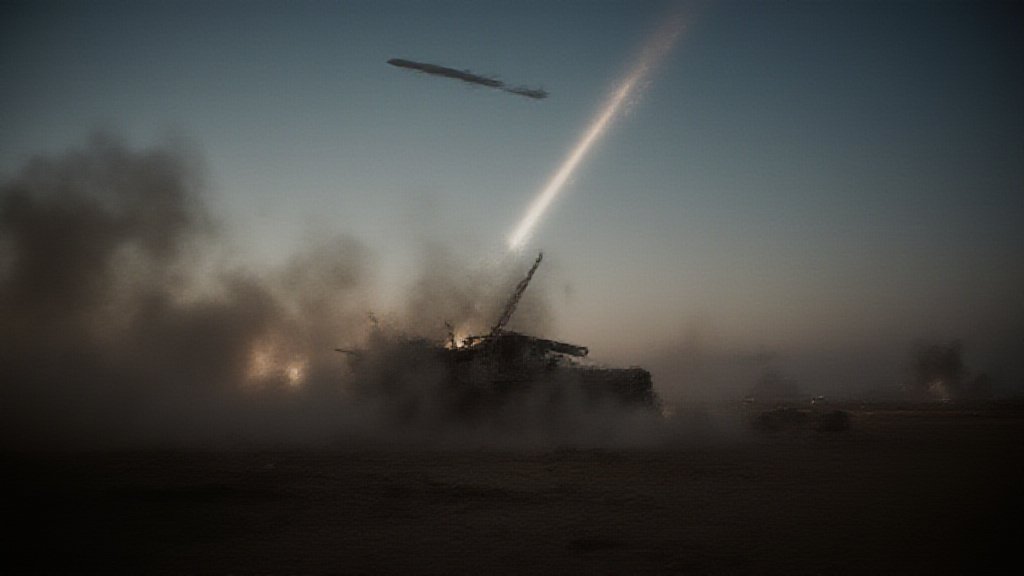
Recent global news highlights intense military action. The U.S. and Israel have escalated their joint campaign against Iran. This operation is known as Operation Epic Fury.
Operation Epic Fury Intensifies
U.S. B-2 bombers are striking deep targets. They attack deeply buried ballistic missile launchers. These strikes use 2,000-pound penetrator bombs. U.S. forces have hit nearly 200 targets. These strikes occurred within the past 72 hours. Many targets lie near Tehran. The campaign aims to degrade Iran’s military. It targets ballistic missile industrial bases. The U.S. Navy has also intensified its operations. It targets Iranian warships and naval assets. Several Iranian ships have been sunk. The U.S. has achieved air superiority. This allows for deeper strikes inside Iran. The operation began on February 28, 2026. Its initial 100 hours cost an estimated $3.7 billion. This recent news shows a significant military push.
Iran’s Response Diminishes
Iran’s retaliatory attacks have sharply decreased. Ballistic missile launches dropped by 90 percent. Drone attacks fell by 83 percent. This decline follows intense U.S. and Israeli airstrikes. Iran has continued some retaliatory actions. These target Israel and Gulf states. These states host U.S. military bases. Kuwait reported a drone strike. Six U.S. troops were killed there. U.S. embassies in the region have also faced attacks. However, Iran’s overall offensive capability appears weakened.
Human Cost Mounts
The conflict carries a heavy human toll. Over 1,200 people have died in Iran. Many of these are civilians. In Lebanon, Israeli strikes have killed over 100 people. These attacks target Hezbollah strongholds. Significant displacement is occurring in Lebanon. Tens of thousands are fleeing their homes. Israel has reported about a dozen deaths. The U.S. has lost at least six service members. International humanitarian law concerns are rising. Attacks on civilian infrastructure are reported.
Domestic Political Fallout
Congress has debated the conflict’s scope. The House narrowly rejected a War Powers resolution. This vote occurred on March 5, 2026. The resolution aimed to limit military action in Iran. It failed by a vote of 212 to 219. A similar measure also failed in the Senate. This outcome supports the administration’s current strategy. In other news, President Trump fired Homeland Security Secretary Kristi Noem. Markwayne Mullin will replace her. This marks a significant personnel change. It follows criticism of Noem’s leadership.
Presidential Outlook
President Trump claims Iran’s interim leadership desires a deal. He stated the operation is achieving its goals early. He also suggested a U.S. role in selecting Iran’s next supreme leader. The administration believes its strategy is effective. It aims to protect American lives and ensure stability. The conflict’s duration remains uncertain. Trump has not ruled out sending ground troops. This recent news suggests a prolonged engagement.
Conclusion
The global situation remains tense. Operation Epic Fury continues its intense assault. Iran faces significant military pressure. Its retaliatory capacity appears reduced. However, casualties continue to mount. Political divisions in the U.S. are evident. The future trajectory of this conflict is unclear. Further developments are expected.

Related Posts