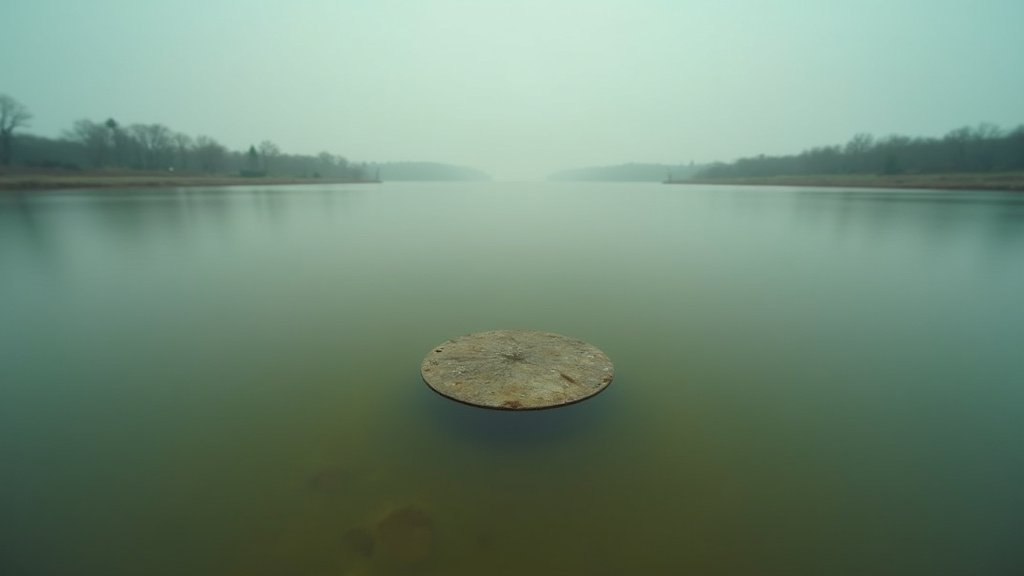
Global News: Lake Water Clarity Declines Sharply, New Study Reveals Alarming Trends
A landmark global study has provided the first comprehensive assessment of changes in lake water clarity, revealing a widespread and concerning decline. This recent analysis, drawing on extensive satellite data and research, highlights that many of the world’s lakes are becoming less clear, posing significant threats to freshwater ecosystem health and the millions who depend on them.
Worsening Lake Water Clarity: A Global Trend
The news from this extensive research indicates a troubling trend: lake water clarity has generally diminished over the past few decades. Studies analyzing data from hundreds of thousands of lakes worldwide, some covering periods up to 2023, have documented a significant decrease in water transparency, often measured by Secchi Disk Depth (SDD). For instance, one major assessment found that 67% of studied lakes have experienced a decreasing trend in SDD, with 39% showing a statistically significant decline, translating to a global average decrease of 13%. While some regions, like parts of Asia, have seen localized improvements in lake water clarity, the overall global picture is one of worsening conditions and water quality decline.
Key Drivers of Reduced Lake Water Clarity
Scientists attribute this widespread degradation to a combination of human-induced factors and the escalating impacts of climate change impacts. Nutrient pollution remains a primary culprit. Increased loads of phosphorus and nitrogen, largely stemming from agricultural runoff, untreated sewage, and urban wastewater, fuel excessive algal growth. These blooms cloud the water, reduce oxygen levels, and can lead to the formation of toxic “dead zones,” impacting overall lake water clarity.
Climate change is exacerbating these issues. Rising air and water temperatures promote algal blooms and alter hydrological cycles, leading to more extreme weather events like droughts and floods. Increased evaporation due to warmer temperatures further concentrates pollutants. Changes in land use, such as deforestation and urbanization, also contribute by altering runoff patterns and increasing sediment loads entering lakes. In some instances, over-abstraction of water for human consumption has led to lakes shrinking significantly, impacting their volume and the clarity of the remaining freshwater resources.
Ecological and Human Consequences of Declining Lake Water Clarity
The implications of reduced lake water clarity extend far beyond aesthetics. Declining clarity can signal a loss of freshwater ecosystem health, affecting aquatic vegetation, biodiversity, and the viability of fisheries. Many lakes are losing their resilience, meaning their ability to recover from disturbances is diminishing, potentially pushing them towards irreversible ecological tipping points. The overall decline in lake water clarity is a serious indicator of ecological stress.
For human populations, the consequences are profound. Lakes are vital sources of drinking water, food, and livelihoods for hundreds of millions worldwide. Toxic algal blooms can render water supplies unsafe and cripple local economies reliant on tourism and fishing. The shrinking of major lakes, like the Aral Sea or Lake Poopo, has led to widespread water scarcity and loss of access to essential freshwater resources. The worsening lake water clarity directly impacts these vital functions.
Addressing the Challenge of Lake Water Clarity
Experts emphasize the urgent need for concerted action to improve lake water clarity. Strategies include advancing integrated water resources management (IWRM) to balance competing water demands, adopting basin-level approaches that involve all stakeholders, and investing heavily in data collection and monitoring to detect problems early. International agreements, such as the Kunming-Montreal Global Biodiversity Framework, call for the conservation and lake restoration of inland waters, including lakes, by 2030.
The recent findings underscore that while the challenges are significant, solutions exist to improve lake water clarity. The global scientific community is working to provide the knowledge and tools needed to protect and restore these critical freshwater resources. The news serves as a critical reminder that proactive management and a commitment to reversing degradation, including reducing nutrient pollution and adapting to climate change impacts, are essential to safeguard the future of our planet’s lakes and enhance their lake water clarity.

Related Posts