Venezuela on High Alert as US Navy Carrier Group Launches ‘Operation Southern Spear’ in Caribbean
The Caribbean Sea has become a focal point of heightened military and diplomatic tension as the **US Navy Caribbean** deploys its largest aircraft carrier strike group and launches a new operation aimed at combating alleged “narco-terrorists” in the region. In response, Venezuela has placed its armed forces on maximum alert, signaling a significant escalation in the ongoing standoff between the two nations and impacting **US Navy Caribbean** operations.
US Navy Caribbean Buildup and Operation Southern Spear
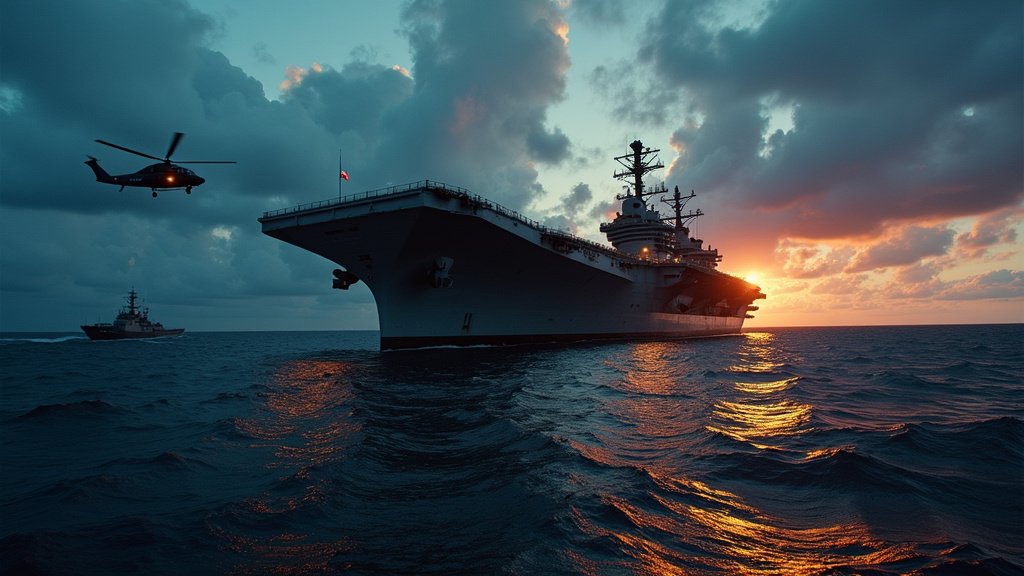
The arrival of the USS Gerald R. Ford carrier strike group in U.S. Southern Command’s area of responsibility, which includes the **US Navy Caribbean**, marks a substantial increase in American military presence. The deployment, comprising the world’s largest aircraft carrier along with multiple destroyers and thousands of personnel, is described by Pentagon officials as an effort to “bolster U.S. capacity to detect, monitor, and disrupt illicit actors and activities that compromise the safety and prosperity of the United States homeland and our security in the Western Hemisphere.” This naval buildup is part of a broader initiative dubbed “Operation Southern Spear,” formally announced by Secretary of Defense Pete Hegseth, enhancing the **US Navy Caribbean** capabilities.
Operation Southern Spear is presented as a mission to “defend our Homeland, remove narco-terrorists from our Hemisphere, and secure our Homeland from the drugs that are killing our people.” This operation formalizes a campaign that has included multiple lethal strikes against suspected drug-trafficking vessels in the **US Navy Caribbean** and Pacific since September. These strikes have reportedly resulted in significant loss of life, with estimates ranging from 76 to over 80 individuals killed in approximately 20 separate incidents, all under the purview of **US Navy Caribbean** directives.
Venezuela’s Defensive Posture Against US Navy Caribbean
Caracas has responded to the increased U.S. military posture by declaring a state of “maximum alert” and initiating a “massive nationwide military deployment.” Defense Minister Vladimir Padrino López announced that approximately 200,000 troops, encompassing all branches of the armed forces, the Bolivarian militia, and police units, have been placed on “full operational readiness.” President Nicolás Maduro has characterized the deployment of the USS Gerald R. Ford as an “imperial threat” and a “provocative act” that directly threatens Venezuelan sovereignty, significantly impacting the **US Navy Caribbean**’s operational environment.
Venezuelan officials have voiced concerns that the U.S. operations, particularly the strikes on vessels, are being used as a “bad alibi” and a pretext to justify broader objectives, potentially including regime change or invasion, a narrative that often surfaces in discussions about **US Navy Caribbean** activities. In anticipation of potential aggression, Venezuela is reportedly preparing for a guerrilla-style resistance and has been training civilian militias for military operations.
Justifications, Allegations, and International Scrutiny of US Navy Caribbean Actions
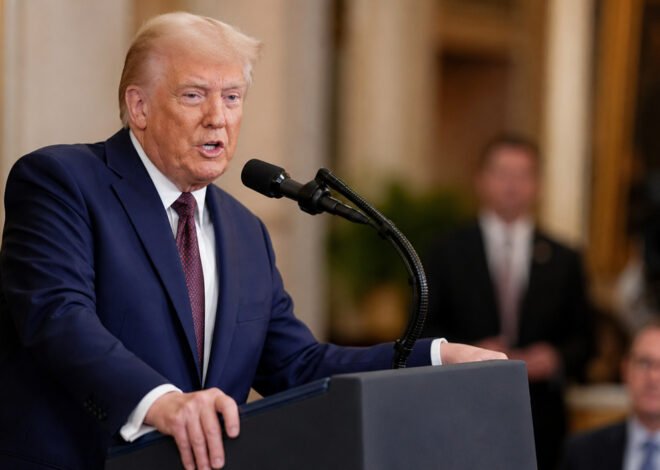
The U.S. administration, led by President Donald Trump, has justified the military actions as a necessary “war on drugs” to combat narco-terrorists and protect the American homeland from illicit substances. Secretary of Defense Hegseth stated that the operations aim to “dismantle Transnational Criminal Organizations and counter narco-terrorism in defense of the Homeland.” However, the U.S. has not consistently provided concrete evidence linking the targeted vessels directly to drug smuggling operations or to Venezuela, leading to widespread skepticism and accusations of fabricating a war, a common criticism leveled against **US Navy Caribbean** deployments.
Several international actors have expressed serious concerns regarding the legality and implications of the U.S. actions. France’s foreign minister has stated that the U.S. military operations in the **US Navy Caribbean** “disregard international law.” Russia has voiced “extreme concern,” labeling the attacks on civilian vessels a “dangerous precedent” that violates international law and contradicts U.S. obligations under a 1988 UN convention. Reports indicate that Britain temporarily suspended intelligence sharing with the U.S. over concerns about potential complicity in unlawful actions related to **US Navy Caribbean** operations.
Geopolitical Context and Future Outlook for US Navy Caribbean Presence
The current escalation occurs against a backdrop of protracted strained relations between the U.S. and Venezuela, marked by sanctions and diplomatic disputes. Analysts suggest that the substantial military deployment, especially the carrier strike group, may be more symbolic than practical for counternarcotics efforts, potentially serving as a tool to exert political pressure on President Maduro’s government, with some speculating about a regime change agenda concerning the **US Navy Caribbean**. The lack of clear evidence for U.S. claims and the questionable legality of the strikes have drawn criticism from experts who argue that the U.S. may be prioritizing tactics over strategy, risking mission creep and regional instability in the **US Navy Caribbean** theater.
While direct military engagement has been avoided thus far, the heightened alert levels on both sides and the continuous projection of military power underscore the fragile nature of the situation. Venezuela’s diplomatic strategy involves seeking support from allies such as Russia, China, Iran, and Cuba, as it navigates this latest phase of geopolitical tension, a move that complicates **US Navy Caribbean** objectives.
The broader implications of Operation Southern Spear and the U.S. military presence remain a subject of intense scrutiny, with many watching to see how this latest strategic maneuver will unfold and impact regional security. This recent news highlights the ongoing complex dynamics in U.S.-Latin American relations and the crucial role of the **US Navy Caribbean**. The potential for increased **US Navy Caribbean** operations, alongside concerns about geopolitical tensions, remains a significant aspect of the current regional climate.


Related Posts