Trump Unveils Radical Gaza Peace Framework: Hamas Disarmament & IDF Withdrawal
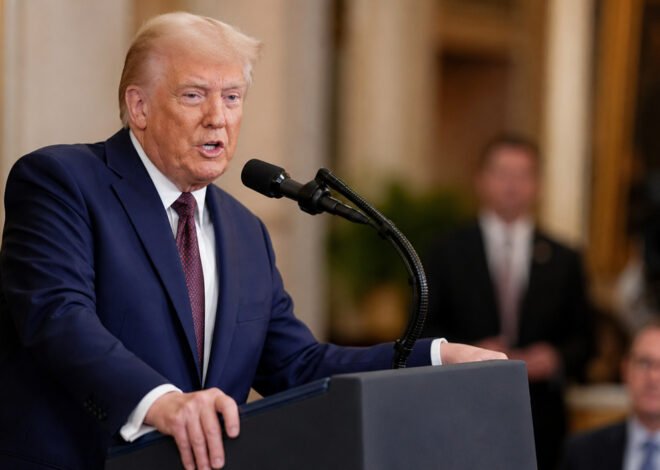
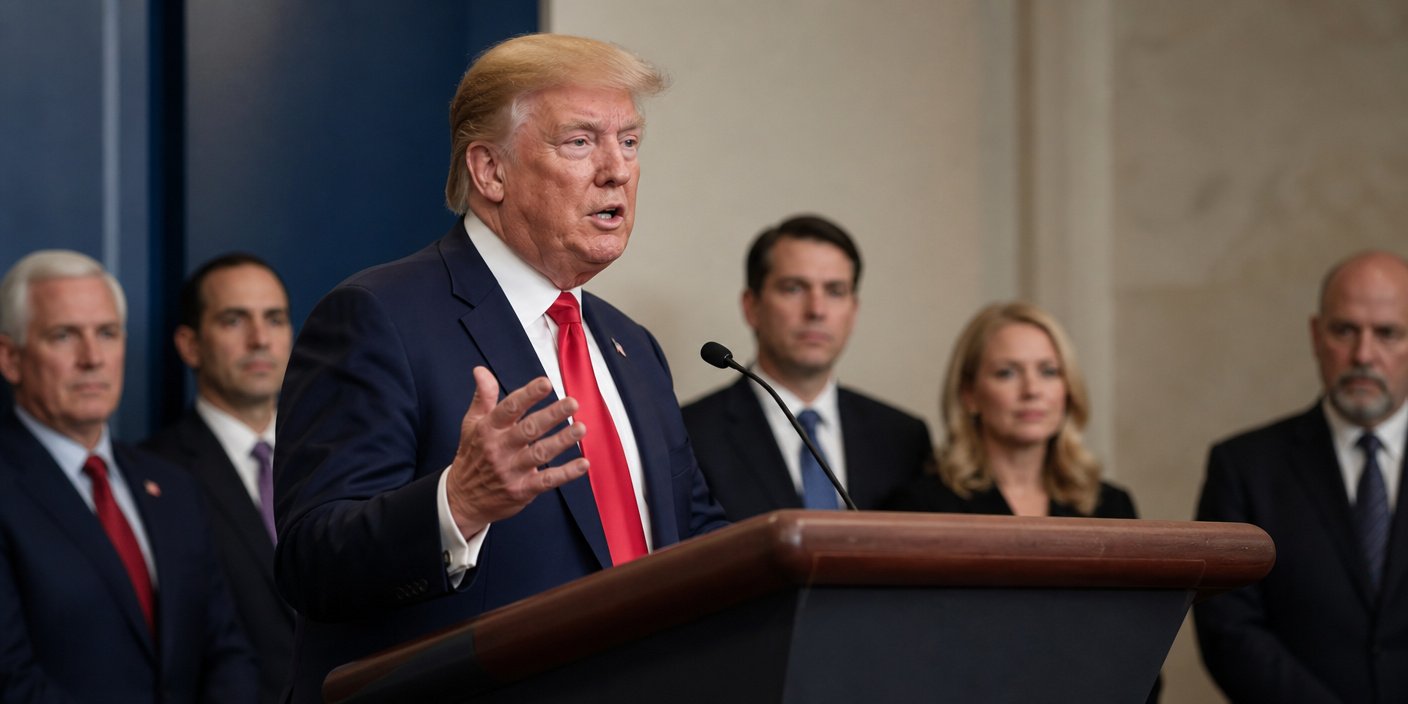
President Donald Trump has announced a major breakthrough regarding the ongoing conflict in Gaza, outlining a newly proposed framework aimed at achieving a permanent cessation of hostilities. The plan, characterized by its scope, centers on two non-negotiable pillars: the complete disarmament of Hamas and the full withdrawal of Israeli Defense Forces (IDF) from the Gaza Strip. The announcement, which has sent shockwaves through international diplomatic circles, represents a significant pivot in the approach to the region’s security architecture.
Key Highlights
- Total Disarmament: The proposed deal mandates the verifiable dismantling of all militant infrastructure and weaponry held by Hamas within Gaza.
- Strategic Withdrawal: A phased exit of all Israeli forces from the Gaza Strip, contingent upon the successful verification of the disarmament protocols.
- Regional Oversight: The framework implies a reliance on regional and international mechanisms to monitor the security vacuum post-withdrawal.
- Pivot in Policy: This move marks a distinct shift from previous international consensus, focusing on a bilateral-style security trade-off rather than multilateral negotiations.
The Mechanics of the Proposed Gaza Peace Plan
The framework announced by Donald Trump introduces a distinct ‘security-for-sovereignty’ trade-off, which fundamentally alters the traditional negotiations that have stalled for months. By explicitly linking the disarmament of Hamas to the withdrawal of Israeli forces, the proposal attempts to address the primary security dilemma facing both parties: the existential fear of renewed attacks versus the demand for territorial autonomy.
The Challenge of Disarmament
Central to the plan is the disarmament mandate. Military analysts and regional observers note that the technical implementation of such a directive is historically unprecedented in a combat zone of this density. Unlike conventional state-on-state disarmament, which relies on treaty compliance, the disarmament of a non-state actor like Hamas requires an enforcement mechanism. The Trump framework reportedly relies on a robust, multi-layered verification protocol, potentially involving a coalition of regional actors to ensure that weaponry is not only surrendered but that the logistical capacity for re-armament is dismantled.
Security Vacuum and Withdrawal
The second pillar—the withdrawal of Israeli forces—is perhaps the most contentious aspect of the proposal. The Israeli defense establishment has long maintained that a premature withdrawal without a clear security alternative leads to a vacuum that militant groups are quick to exploit. The proposed plan suggests a synchronized withdrawal schedule. This synchronization is designed to prevent a ‘power void’ scenario, aiming to hand over security responsibilities to a newly configured, non-militant administrative entity. However, the identity of this entity remains the most critical missing variable in the public announcement.
Regional Diplomatic Dynamics
This proposal inevitably complicates the positions of key regional power brokers, including Egypt, Qatar, and the broader Abraham Accords participants. For regional nations, the plan presents a double-edged sword: it offers a path to end the humanitarian crisis in Gaza, which is a major domestic pressure point, but it requires them to take on significant security liabilities in the post-withdrawal phase. The Trump administration’s approach appears to leverage the existing ties established under the Abraham Accords, pressuring regional partners to assume a more active role in the stabilization process than they have previously been willing to accept.
Economic Reconstruction and Long-Term Stability
Beyond the immediate security arrangements, the success of this proposal hinges on the reconstruction of Gaza. International aid organizations and economic planners emphasize that disarmament and withdrawal are merely the opening chapters of a much longer story. The economic viability of Gaza—post-conflict—will require massive capital infusion and the restoration of trade corridors.
The Infrastructure Gap
Restoring the power, water, and sewage infrastructure in Gaza requires more than just money; it requires guaranteed long-term stability that investors can trust. Without a definitive end to the militant threat, the private sector remains largely sidelined. The Trump plan posits that by removing the conflict driver (Hamas’s military wing), the risk profile of the region will drop, allowing for international reconstruction funds to flow into the region.
Institutional Legitimacy
The plan implicitly calls for a new form of administrative legitimacy in the territory. If the Hamas political wing is effectively neutered by the loss of its military capacity, the vacuum will need to be filled by a technocratic governance structure. The international community is closely watching how this potential leadership transition will be managed, as history has shown that power vacuums in the region are rarely left unfilled by disruptive actors.
FAQ: People Also Ask
1. What is the timeline for the proposed Israeli withdrawal?
While specific dates were not released in the initial announcement, the plan describes a ‘phased withdrawal’ that is strictly tied to the completion of disarmament benchmarks, meaning the timeline is conditional on operational success rather than a set calendar date.
2. How will the disarmament of Hamas be verified?
The framework mentions a collaborative verification mechanism, which, according to preliminary analysis, would likely involve regional security partners and potentially independent technical observers to ensure all caches and production facilities are accounted for.
3. Is this a final peace treaty or a ceasefire?
The proposal is being characterized as a ‘comprehensive framework’ intended to transition from a ceasefire to a stable, long-term security arrangement, though it falls short of a formal, multi-lateral peace treaty between all regional stakeholders at this current stage.
4. What role do the Abraham Accords play in this?
The plan leverages the security architecture built through the Abraham Accords, utilizing the normalized relationships between Israel and various regional powers to create a cohesive coalition for monitoring and transition management, positioning the accords as the diplomatic foundation for the entire project.


Related Posts