India Observes National Epilepsy Day Amidst Supreme Court Hearing on Electoral Roll Integrity
India is marking National Epilepsy Day today, November 18, 2025, a significant observance dedicated to raising awareness and combating the pervasive stigma surrounding the neurological disorder. This important National Epilepsy Day serves to highlight the challenges faced by millions. Concurrently, the nation’s judicial spotlight is firmly on the Supreme Court, which is hearing crucial petitions concerning the integrity and transparency of the electoral process. This convergence of health awareness and democratic scrutiny underscores a day of national importance.
National Epilepsy Day: A Drive for Awareness and Acceptance
Observed annually on November 17th, National Epilepsy Day serves as a critical platform to educate the public about epilepsy, a condition affecting brain function and causing recurrent seizures. Initiated in 1990 by the Epilepsy Foundation of India (EFI) under Dr. Nirmal Surya, the day aims to dispel myths, foster empathy, and encourage timely diagnosis and treatment. In India, an estimated 10 to 12 million people live with epilepsy, representing a significant portion of the global burden of this disorder, making continued efforts on National Epilepsy Day vital.
Despite advancements in medical understanding and treatment, which can help up to 70% of individuals lead seizure-free lives, societal stigma remains a formidable barrier. Healthcare professionals, neurologists, NGOs, and volunteers across the country are organizing awareness campaigns, educational workshops, and medical camps to promote a better understanding of epilepsy and advocate for improved access to neurological healthcare and affordable medication. The observance emphasizes that epilepsy is a manageable medical condition, not a social stigma, urging greater understanding and support for those affected by this condition observed on National Epilepsy Day.
Supreme Court Delves into Electoral Roll Revision Amidst Reforms Push for Electoral Roll Integrity
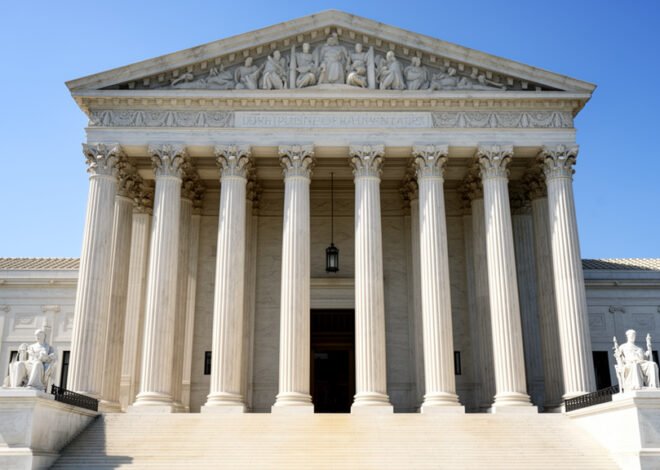
In parallel, the Supreme Court of India is engaged in critical hearings pertaining to electoral reforms, specifically addressing challenges to the Election Commission of India’s (ECI) Special Intensive Revision (SIR) of electoral rolls. These hearings, which commenced on November 11, 2025, and are slated for further discussion on November 26, 2025, highlight the judiciary’s pivotal role in safeguarding democratic processes and ensuring voter list accuracy. The issue of the Supreme Court electoral roll is a significant matter.
Petitions have been filed by several prominent parties and organizations, including the DMK, the NGO Association for Democratic Reforms (ADR), and the CPI(M), raising concerns over data privacy, the legality of the revision process, and its potential implications for the fairness of upcoming elections. Advocates argue that the issue of electoral roll integrity strikes at the very root of the Democratic process India. The ECI, in its defense, has maintained that the SIR is accurate and has denied allegations of disproportionate exclusion of any community, asserting that deletions were based on legitimate factors like deaths and migration. The Supreme Court has issued notices to the ECI and directed High Courts to defer hearings on similar matters, indicating the gravity with which it views these challenges to the Supreme Court electoral roll.
This engagement by the Supreme Court is part of a broader, ongoing effort to strengthen electoral fairness. Historically, the apex court has been instrumental in driving significant electoral reforms, from mandating the disclosure of candidates’ criminal records and assets to disqualifying convicted legislators and introducing voter options like NOTA (None of the Above). The focus on voter list accuracy is paramount for the Democratic process India.
A Day of Dual National Significance: Epilepsy Awareness Day and Electoral Reforms
As National Epilepsy Day fosters a national conversation on health, inclusion, and the eradication of deeply ingrained neurological disorder stigma, the Supreme Court’s proceedings on electoral roll revision underscore the ongoing commitment to ensuring the sanctity and trustworthiness of India’s electoral machinery. These concurrent events, though disparate in their immediate focus, both contribute to the broader national discourse on public well-being and democratic governance, reflecting the dynamic nature of recent national news and the importance of Epilepsy Awareness Day.


Related Posts