Israel Orders Lebanon Evacuations Amid Hezbollah Clashes
Israel’s military has instructed residents in southern Lebanon to evacuate their homes as intense fighting with Hezbollah escalates, raising fears of a wider conflict.
Key Highlights:
- Israeli military directive for southern Lebanon residents to leave.
- Ongoing, intense clashes with Hezbollah.
- Growing concerns over regional escalation.
- Humanitarian implications for displaced populations.
Escalating Cross-Border Hostilities
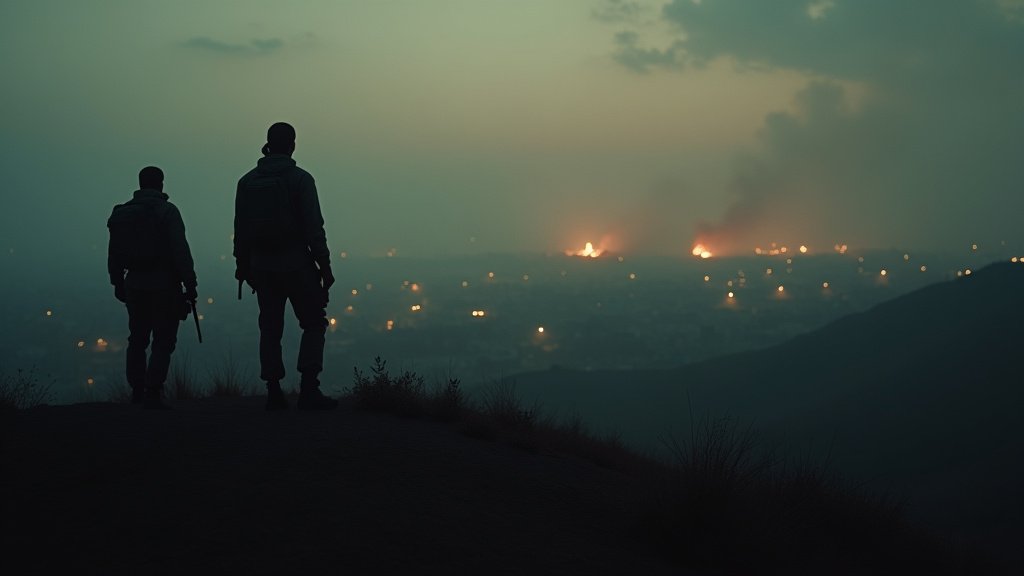
The situation along Israel’s northern border has rapidly deteriorated, with Israeli forces engaged in sustained combat against Hezbollah militants. The Israeli military’s directive for civilians in specified areas of southern Lebanon to evacuate underscores the severity of the ongoing hostilities. This move, a significant escalation in rhetoric and action, signals Israel’s preparedness for potentially wider operations against Hezbollah, a powerful Iran-backed militant group.
Hezbollah’s Response and Capabilities
Hezbollah has responded with its own volleys of rockets and drone attacks targeting Israeli positions and settlements. The group has demonstrated a significant arsenal and tactical prowess, capable of launching sustained barrages and engaging in direct combat. The exchange of fire has led to casualties on both sides and has forced thousands of residents in northern Israel to also seek shelter or evacuate, creating a dual humanitarian crisis along the border.
Regional Ramifications and Diplomatic Efforts
The escalating conflict raises serious concerns about regional stability. There are fears that the current exchanges could spiral into a larger war, drawing in other regional actors and further destabilizing the Middle East. International bodies and various governments have been engaged in diplomatic efforts to de-escalate the tensions and prevent a wider conflagration. The United States, in particular, has been actively involved, seeking to contain the conflict and uphold regional security, while also providing military support to Israel.
Humanitarian Concerns and Displacement
The immediate impact of the intensified fighting is the displacement of civilian populations. Thousands of residents in southern Lebanon are being urged to leave their homes, adding to the existing challenges faced by a country already grappling with severe economic and social crises. Similarly, northern Israeli communities have been evacuated, disrupting daily life and creating a climate of fear and uncertainty. Aid organizations are monitoring the situation closely, preparing for potential humanitarian needs should the conflict widen or persist.
Historical Context of the Conflict
This latest surge in violence is part of a long-standing, deeply complex conflict between Israel and Hezbollah. The two sides have a history of intense clashes, notably the 2006 Lebanon War. This historical backdrop informs the current situation, with both sides acutely aware of the potential costs and consequences of a full-scale war. The current hostilities are also occurring within the broader context of regional tensions, particularly in the wake of recent events in the wider Middle East.
FAQ: People Also Ask
What is Hezbollah?
Hezbollah is a Lebanese Shia Islamist political party and militant group, formed in the 1980s. It is designated as a terrorist organization by several countries and is known for its significant military capabilities and political influence in Lebanon.
Why is Israel ordering evacuations in southern Lebanon?
Israel’s military has ordered evacuations in southern Lebanon as a precautionary measure due to the ongoing, intensified clashes with Hezbollah. The aim is to protect civilians from the escalating cross-border hostilities and to prepare for potential further military operations.
What are the risks of this conflict escalating?
The primary risk is that the current exchanges could escalate into a full-scale war between Israel and Hezbollah, potentially drawing in other regional powers and destabilizing the entire Middle East. This could lead to widespread destruction, significant loss of life, and a severe humanitarian crisis.
What is the role of international bodies in this conflict?
International bodies, including the United Nations, are involved in diplomatic efforts to de-escalate the situation, urge restraint, and prevent a wider conflict. They are also monitoring the humanitarian impact and preparing to provide assistance if needed.
How has this conflict affected residents in northern Israel?
Residents in northern Israel have also been subjected to rocket attacks and cross-border shelling from Hezbollah, leading to evacuations, disruption of daily life, and significant security concerns for communities along the border.


Related Posts