
Baboon’s Social Secrets: 50-Year Kenyan Study Reveals Health Links for Humans
A remarkable, decades-long baboon study offers profound insights. This research takes place in Kenya’s Amboseli ecosystem. It spans over 50 years. The study tracks yellow baboons for generations. It reveals how social life impacts health. These findings have parallels for human wellness. Dr. Susan C. Alberts leads much of this work. She is a professor at Duke University. Her team collects data daily. This allows a full life course view.
The Amboseli Baboon Research Project
The Amboseli Baboon Research Project (ABRP) started in 1971. It is one of the longest primate studies globally. Researchers follow individually identified baboons. They observe them from birth to death. This detailed approach is rare. It helps understand complex life histories. It also tracks social dynamics and health. Data includes demographics and interactions. Environmental conditions are also recorded. This comprehensive data is invaluable.
Social Rank and Stress
Social hierarchy plays a key role. Alpha males experience high stress. This is shown by elevated cortisol levels. They expend more energy maintaining status. They often fight more. Beta males, ranked below alphas, show less stress. However, alpha males also face unique costs. Life at the very top is demanding.
Conversely, alpha females seem more privileged. They experience lower stress levels. Beta females report higher stress. Subordinate baboons face constant pressure. This lack of control leads to chronic stress. It negatively affects their health.
Early Life Adversity’s Impact
Experiences in early life matter greatly. Baboons facing drought suffer more. Those born to low-ranking mothers face hardship. Living in crowded conditions also harms them. These early adversities shorten lifespan. This suggests early life stress has lasting effects. It influences adult health outcomes.
The Power of Social Bonds
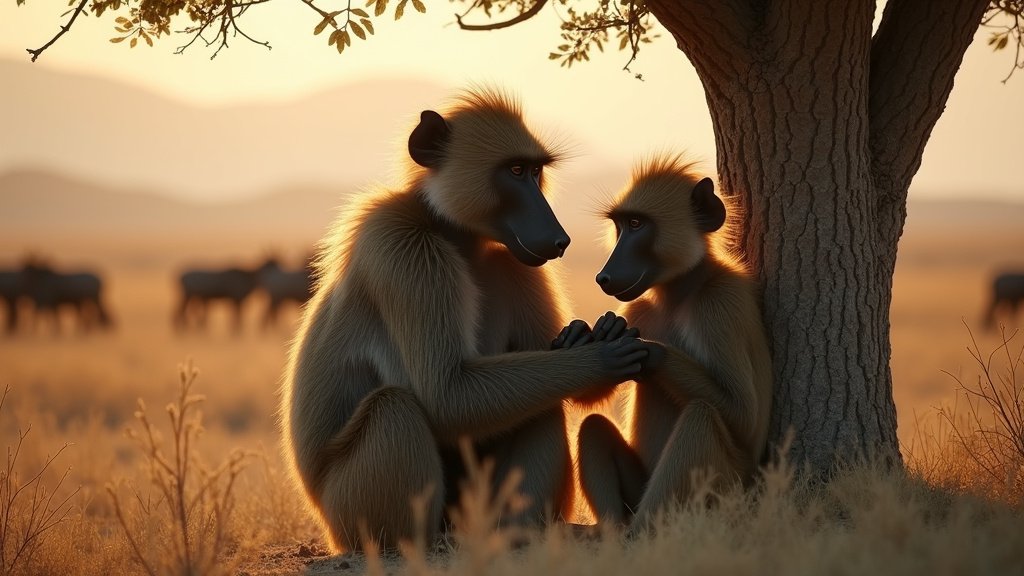
Social connections are vital for baboon survival. Baboons with strong social bonds live longer. Grooming is a key social activity. It builds relationships and reduces stress. Male baboons benefit greatly from female friendships. Those with strong female ties are 28% more likely to survive. Social isolation is a serious threat. Close relationships among females also help their offspring. This shows social support is critical for well-being.
Bridging to Human Health
Baboons offer a window into human life. They share genetic ties with us. Their social lives are also complex. The study’s findings mirror human health news. Social status impacts human health significantly. Chronic stress from low status harms well-being. This is especially true if stress starts early. The baboon study helps researchers disentangle these factors. It shows how social environments shape physiology. It provides a model for understanding human wellness.
A Look Forward
This recent news highlights continuing research. The ABRP continues to collect data. It spans multiple generations of baboons. This ongoing work offers more insights. It helps us understand aging. It also explores how genes and environment interact. This extensive research deepens our knowledge. It connects primate social lives to human health. This research is a vital contribution to wellness science.


Related Posts