Fashion’s Stretch Solution: New Initiative Tackles Elastane Recycling Barrier
The fashion industry faces a significant challenge. It is actively seeking solutions for stretch fibers. Elastane, also known as spandex or Lycra, is widely used. It provides crucial stretch and comfort. However, it severely hinders textile recycling. This is a major problem for circular fashion efforts. A new initiative launched in February 2026 aims to solve this. It is called Stretching Circularity. This project seeks to test new elastane alternatives. It focuses on bio-based and recycled options. The goal is to enable circular textile production. This is important recent news for the fashion sector.
The Elastane Problem
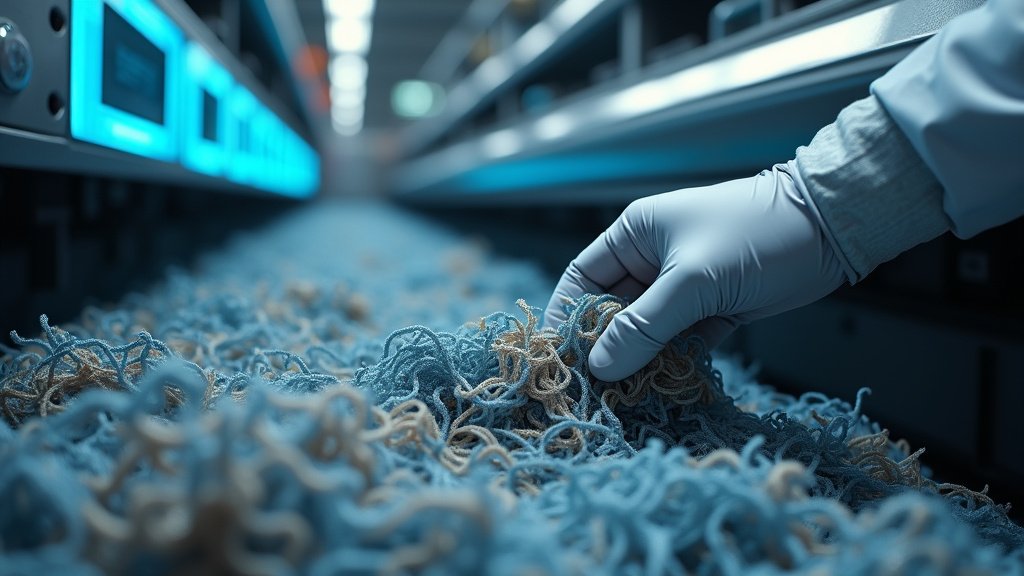
Elastane is present in about 80% of all clothing. It is typically blended in small amounts. Cotton and wool items often contain 1-5% elastane. Polyester and polyamide blends can have up to 20%. Its petrochemical origin increases carbon emissions. It also relies on non-renewable resources. Furthermore, elastane acts as a contaminant in recycling. Even small amounts disrupt fiber-to-fiber recycling. This often leads to downcycling or waste. Conventional recycling methods struggle with elastane. It can jam machinery. It also degrades recycled material quality. This makes many stretch garments unrecyclable. This limits the potential for a truly circular fashion economy.
Stretching Circularity’s Approach
Fashion for Good launched Stretching Circularity. The initiative tackles this issue directly. It involves pilot-scale testing. Demonstrator garments are also being produced. This will validate new elastane alternatives. The project has two main research areas. One stream tests next-generation elastanes. These are made from alternative inputs. This includes bio-based sources. The second stream develops regenerated elastane. This uses advanced recycling technologies. Both approaches use a structured validation framework. This assesses performance, environmental impact, cost, and scalability. This data is vital for brands. It helps them adopt new materials confidently.
Key Players in Collaboration
This ambitious project involves major industry players. Fashion for Good leads the initiative. They are joined by key partners. These include Levi Strauss & Co. (Beyond Yoga), On, and Reformation. Paradise Textiles and Positive Materials are also partners. Ralph Lauren Corporation provides advisory support. Organizations like Materiom and the Ellen MacArthur Foundation offer crucial ecosystem expertise. They help with knowledge exchange. They also assess scaling risks. This collaboration unites the entire fashion ecosystem. It addresses a shared challenge.
Advancing Circular Stretch Fibers
Existing bio-based and recycled elastane solutions are fragmented. They often lack large-scale validation. Proven technologies to separate elastane from blends are scarce. Stretching Circularity aims to bridge this data gap. It seeks to turn elastane from a recycling contaminant into a functional part of a circular supply chain. The fashion industry faces increasing regulatory pressure. Brands also have ambitious sustainability targets. These factors drive the urgent need for scalable circular materials. This news highlights a critical step forward. It offers a path for stretch fabrics to become truly circular. The project’s findings will be pivotal. They will guide future fiber selection. They will enable the next generation of stretch knits. This endeavor is crucial for sustainable fashion news.


Related Posts