Global Tensions: Strikes Escalate, Ceasefire Tested
Amidst escalating global conflicts, U.S. and Iran have engaged in renewed strikes, casting a shadow over fragile ceasefire efforts. Simultaneously, Israel intensifies its military operations in Lebanon, while Ukraine demonstrates its capability to strike deep within Russia’s oil infrastructure, signaling a complex and volatile geopolitical landscape.
Key Highlights:
- U.S.-Iran exchanges signal a test of existing ceasefires and regional stability.
- Israel’s expanded operations in Lebanon raise concerns of wider regional escalation.
- Ukraine’s successful strikes on Russian oil facilities indicate a significant shift in the conflict’s dynamics.
- The interwoven nature of these events underscores a precarious global security environment.
Geopolitical Flashpoints Intensify
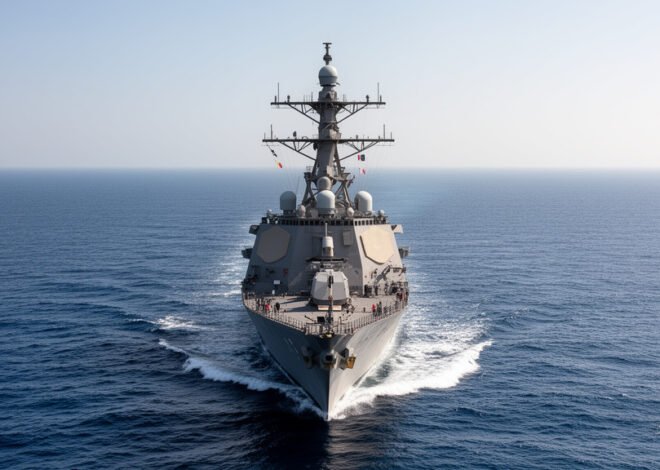
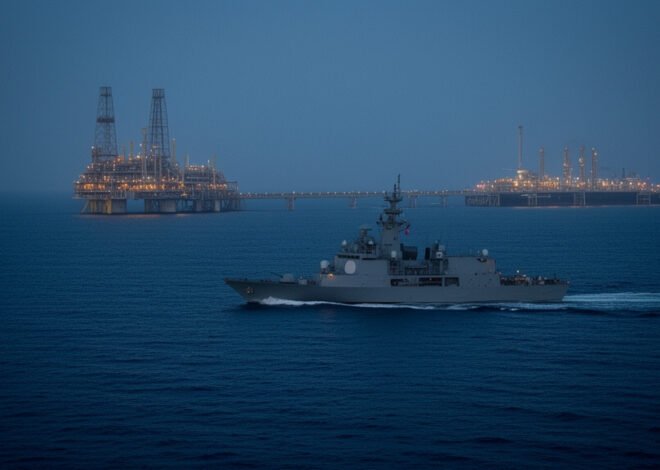
The international stage is currently dominated by a series of critical and interconnected events, each with the potential to destabilize regions and test long-standing diplomatic efforts. In the Middle East, recent U.S. strikes have directly challenged the fragile ceasefires, raising immediate concerns about a potential resurgence of direct conflict between the United States and Iran. These actions occur against a backdrop of heightened regional tensions, where any miscalculation could have far-reaching consequences.
Israel’s Lebanon Offensive
Concurrently, Israel has deepened its military engagement in Lebanon. This escalation signifies a strategic move to address perceived threats along its northern border, but it also risks drawing Hezbollah and potentially Iran into a more direct confrontation. The scope and duration of this offensive are being closely monitored by international observers concerned about humanitarian impacts and broader regional spillover. The complexity of this front is amplified by the intricate political and military landscape within Lebanon itself.
Ukraine’s Strategic Strikes
Adding another layer of global strategic concern, Ukraine has successfully targeted Russia’s vital oil infrastructure. These operations represent a significant demonstration of Ukraine’s evolving military capabilities and its determination to disrupt Russia’s war-sustaining economy. By striking at the heart of Russia’s energy sector, Ukraine aims to impose greater economic pressure, potentially impacting global energy markets. The effectiveness and frequency of such strikes could play a crucial role in the long-term trajectory of the conflict.
The Interconnected Web of Conflict
These disparate events, while geographically distinct, are intrinsically linked through the global power dynamics and alliances they involve. The actions taken by the U.S., Iran, Israel, and Ukraine are not occurring in a vacuum. They are influenced by and, in turn, influence broader geopolitical strategies, including those of major global powers like the United States, Russia, and China. The ripple effects of these conflicts extend to global energy prices, international diplomacy, and the humanitarian situations in the affected regions.
FAQ: People Also Ask
What are the immediate implications of the U.S.-Iran strikes?
The immediate implications include a heightened risk of escalation in the Middle East, a potential breakdown of existing ceasefires, and increased pressure on regional diplomatic efforts to maintain stability. It also draws international attention to the complex proxy dynamics at play.
How might Israel’s deepening push in Lebanon affect regional stability?
Israel’s intensified operations in Lebanon could lead to a broader conflict involving Hezbollah and potentially Iran, increasing the risk of a wider regional war. This also poses significant humanitarian concerns for the civilian population in Lebanon.
What is the strategic significance of Ukraine hitting Russian oil facilities?
Striking Russian oil facilities is a strategic move by Ukraine to cripple Russia’s war economy by cutting off a primary source of revenue and funding. It also aims to disrupt global energy markets and exert further economic pressure on Moscow.
Are these events connected to broader geopolitical rivalries?
Yes, these events are deeply connected to broader geopolitical rivalries, particularly between the U.S. and Iran in the Middle East, and the ongoing proxy dimensions of the Ukraine conflict involving NATO and Russia. The actions reflect competing spheres of influence and strategic objectives.
What is the current status of ceasefires in the regions affected?
Ceasefires are being severely tested. The U.S.-Iran strikes directly challenge existing understandings, while the conflict in Ukraine is characterized by ongoing intense fighting rather than a stable ceasefire. The situation in Lebanon is one of active military operations, not a ceasefire.


Related Posts