
JD Vance Leads High-Stakes Iran Peace Talks in Pakistan
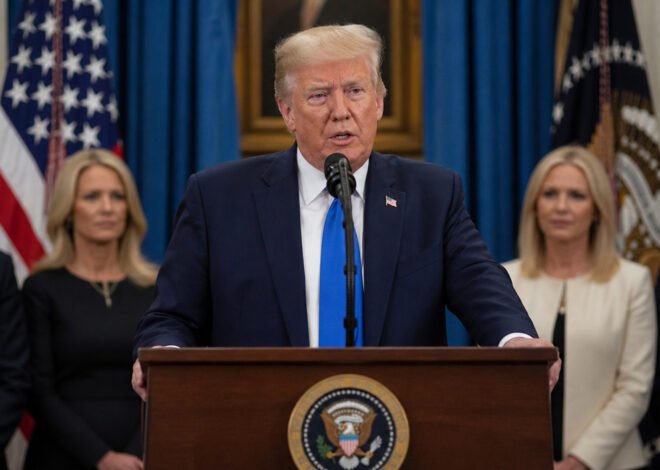
Vice President JD Vance has touched down in Islamabad to lead a high-level U.S. delegation in pivotal peace talks with Iranian officials, marking a definitive moment in the volatile six-week conflict that has gripped the Middle East. With the world watching, the mission—underscored by a fragile two-week ceasefire—seeks to transform tenuous stability into a durable resolution. As diplomatic tensions reach a boiling point, the presence of the Vice President underscores the gravity of the White House’s latest effort to navigate a shifting geopolitical landscape, balancing U.S. national interests with the complex reality of Iranian regional influence.
Key Highlights
- High-Level Delegation: Vice President JD Vance is spearheading the U.S. team, accompanied by special envoy Steve Witkoff and presidential advisor Jared Kushner, signaling intense White House involvement.
- Make-or-Break Diplomacy: The Islamabad talks are widely viewed as a critical opportunity to prevent a return to full-scale regional conflict after a shaky ceasefire.
- Complex Preconditions: Iranian negotiators, led by Parliament Speaker Mohammad Bagher Ghalibaf, have insisted on specific conditions, including a ceasefire in Lebanon and the release of frozen assets, adding layer of complexity to the discussions.
- Strategic Geography: Pakistan’s role as a mediator and host highlights its growing influence in regional diplomacy, providing a neutral ground for the face-to-face negotiations.
The Path to Islamabad: Diplomacy in the Crosshairs
The arrival of Vice President JD Vance in Pakistan represents the most significant diplomatic push by the U.S. government since the start of the current crisis. For six weeks, the Middle East has faced the repercussions of escalating hostilities, culminating in a blockade of the Strait of Hormuz and extensive military posturing. The decision to send a delegation of this caliber—involving not just the Vice President, but also key figures like Jared Kushner and Steve Witkoff—reflects President Donald Trump’s direct prioritization of this negotiation. The administration has framed these talks as a rare opening to secure a deal that avoids the catastrophic potential of prolonged regional warfare.
The Geopolitical Stakes of the ‘Islamabad Talks’
Pakistan’s Prime Minister Shehbaz Sharif, who played a central role in brokering the current ceasefire, has dubbed these the “make-or-break” talks. For the U.S., the primary objective is to solidify the temporary halt in hostilities and potentially address long-term concerns regarding Iran’s nuclear capabilities and missile programs. However, the mission is fraught with obstacles. Iranian officials have made it clear that their participation is contingent on specific demands, including a broader regional ceasefire that incorporates Lebanon and the unfreezing of sanctioned financial assets. These demands create a stark divide between the U.S. position—which focuses on regional stability and security—and Tehran’s push for immediate concessions.
Understanding the U.S. Strategic Pivot
The Biden-era diplomatic frameworks have largely been superseded by a more assertive, transactional approach favored by the Trump administration. Vice President Vance’s rhetoric upon departure—warning Iran not to ‘play’ the U.S. while simultaneously expressing a willingness to offer an ‘open hand’—highlights this dual-track strategy. The U.S. is signaling that it is prepared for peace but remains equally ready for a resumption of conflict should the talks fail. This stance serves as a reminder to all regional actors that the diplomatic table is only an option as long as good faith is demonstrated.
The Iranian Perspective and Regional Leverage
For Iran, the talks are a crucial venue to alleviate economic pressure. The closure of the Strait of Hormuz has created significant global economic strain, pushing up energy prices and creating supply chain disruptions. By leveraging this closure, Iran has gained a seat at the table that it might not otherwise possess. However, the Iranian leadership is also managing domestic pressures, with hardline factions demanding that any deal must be perceived as a victory. The arrival of Speaker Mohammad Bagher Ghalibaf indicates that Tehran is sending a high-level team capable of making substantive decisions, reflecting the importance they also place on this summit.
FAQ: People Also Ask
1. Why were these peace talks held in Pakistan?
Pakistan has maintained a neutral stance and has existing diplomatic channels with both the United States and Iran, making it an ideal mediator. Prime Minister Shehbaz Sharif specifically sought to host the talks to help de-escalate the conflict that threatens regional stability.
2. Who is on the U.S. negotiating team?
The U.S. delegation is led by Vice President JD Vance. Other key members include U.S. Special Envoy Steve Witkoff and presidential advisor Jared Kushner, who have both been instrumental in the administration’s broader Middle East policy.
3. What are the main obstacles to a deal?
Significant disagreements persist regarding the scope of the ceasefire. Iran insists that Lebanon be included in the ceasefire agreement and demands the release of frozen assets. The U.S. has been cautious, maintaining that the ceasefire focus is primarily on direct U.S.-Iran hostilities.
4. Is Israel participating in these talks?
No, Israel is not officially represented at these specific negotiations in Islamabad. The talks are focused on the bilateral U.S.-Iran conflict, although the regional implications of the war significantly impact Israel and other regional allies.


Related Posts