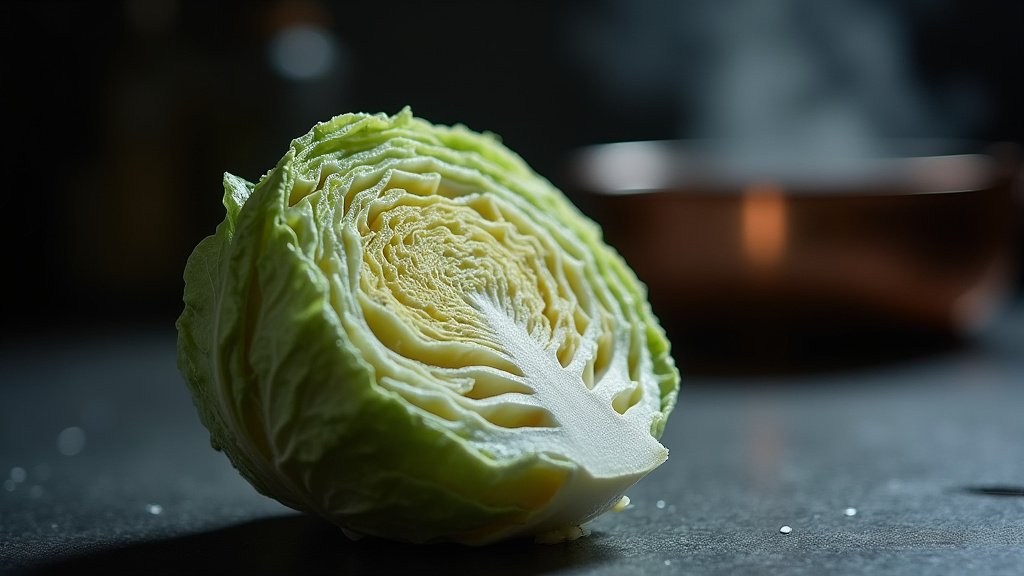
The Cabbage Comeback: Why This Viral Veg Is 2026’s ‘It’ Food
In a major 2026 plot twist that few experts saw coming, the humble cabbage has shed its reputation as a boiled afterthought to become the undisputed star of modern food culture. From viral TikTok recipes to Pinterest’s official ‘it’ vegetable designation, cabbage is trending for reasons that go far beyond simple seasonal whimsy. Whether it’s the rise of the ‘Cabbage Steak’ or the surge in interest for fermented staples like kimchi, this brassica is proving that affordability, versatility, and undeniable health benefits are the ultimate recipe for culinary dominance.
Key Highlights
- The ‘Cabbage Crush’ Trend: Pinterest and social media platforms have identified a massive spike in cabbage-forward searches, citing dishes like cabbage dumplings and golumpki soup as Gen Z favorites.
- Nutritional Powerhouse: Beyond the hype, registered dietitians note that cabbage is a hydrating, fiber-rich, and prebiotic food that supports gut health and immune function.
- Economic Resilience: In an era of shifting global food prices, cabbage remains an accessible, budget-friendly staple that offers ‘more bang for your buck’ than trendier, overpriced health foods.
- The Anti-Cauliflower Sentiment: The 2026 trend represents a departure from the ‘cauliflower as a substitute’ craze, focusing instead on celebrating cabbage for its own unique textures and flavors.
The New Kitchen MVP: Why Cabbage is Capturing 2026
If you have scrolled through your social media feed lately, you might have noticed a recurring character: the cabbage. It is being charred, roasted, shredded, and fermented in ways that make previous generations’ boiled-to-submission cabbage look like a distant, sad memory. This is not just random internet noise; it is a fundamental shift in how we approach cooking in a year defined by both economic consciousness and a rigorous focus on wellness.
The Anatomy of the Trend
Trend forecasters and culinary experts suggest that cabbage’s sudden ascent is a response to the ‘poly-crisis’ of modern living. We are currently in a cultural moment where consumers are looking for food that is simultaneously cheap, filling, and ‘aesthetic’ enough for a post-dinner Instagram photo. Cabbage occupies a unique, high-utility space. It is a heavy-hitter in the kitchen that does not break the bank.
‘Cabbage is an affordable, versatile, delicious and hearty vegetable that really has not gotten a lot of attention for a long time,’ notes Nate Wood, the founding director of culinary medicine at the Yale School of Medicine. This sentiment is echoed across platforms where ‘cabbage-forward’ recipes—like cabbage steaks, kimchi cocktails, and stuffed-cabbage-style soups—are seeing engagement growth in the triple digits.
The Anti-Cauliflower Era
For the past decade, cauliflower has been the poster child for vegetable innovation. We saw it turned into rice, pizza crust, and even buffalo wings. It was the designated ‘rebrand’ vegetable, constantly trying to be something else. The 2026 cabbage trend, however, feels decidedly different. There is a palpable sense of ‘anti-cauliflower’ energy in the air. People are tired of vegetables that try to mimic high-carb staples. Cabbage, by contrast, is not trying to be a pizza crust; it is embracing its own identity as a leafy brassica with crunch, bite, and depth. It is being celebrated for its own texture—whether it is the silky tenderness of a slow-cooked cabbage or the aggressive, spicy crispness of raw kimchi.
The Science of the Brassica
Beyond the ‘vibes,’ there is a compelling biological reason to lean into the cabbage craze. Registered dietitian Maddie Pasquariello highlights the vegetable’s impressive nutritional profile. ‘It’s full of fiber. A cup of raw cabbage contains about 2 grams of fiber… most of the fiber in cabbage is insoluble fiber, which adds bulk to your stool and helps stimulate bowel movements to keep you regular.’
Furthermore, the gut-health narrative is propelling cabbage forward. As our understanding of the microbiome deepens, fermented cabbage (in the form of sauerkraut and kimchi) is being heralded as a ‘synergistic’ superfood. Not only do you get the prebiotic fiber from the raw vegetable, but you also consume the beneficial probiotic bacteria created during the fermentation process. It is a dual-threat for gut health that nutritionists are heavily advocating for in 2026.
Economic Impact and Accessibility
In an age where food inflation is a constant stressor, the cabbage’s price point is a massive selling feature. Unlike expensive ‘superfoods’ like acai or specialized mushrooms, cabbage is available at every grocery store, year-round, at a fraction of the cost. It is an ingredient that allows home cooks to stretch their grocery budgets without sacrificing the quality of their meals.
Whether you are shopping at a high-end organic grocer or a local budget market, you can find quality cabbage. This democratic accessibility is part of why it has become the ‘main character’ of 2026 dinner plates. It is a resilient crop, easy to store, and nearly impossible to mess up if you have a little olive oil and a hot pan.
The Culinary Future: Kimchi Cocktails and Beyond
Looking ahead, the influence of the cabbage trend is set to move beyond the dinner plate and into the bar cart. Reports indicate that mixologists are experimenting with kimchi and brine-based cocktails, utilizing the savory, umami-rich profiles of fermented cabbage to create complex, lower-ABV drinks. This ‘savory-forward’ trend is likely to continue as consumers look for more nuanced flavor experiences. From roasting techniques that bring out a natural sweetness to the global fusion dishes that pair Napa cabbage with bold, international spices, the humble cabbage has firmly established itself as a cornerstone of the future of food.
FAQ: People Also Ask
Is cabbage actually better for you than other leafy greens?
While all leafy greens have benefits, cabbage is particularly noted for its high fiber content (both soluble and insoluble) and its role as a prebiotic food. Its high water content also makes it hydrating and low-calorie.
Why is the ‘kimchi cocktail’ becoming a thing?
As mixology moves toward savory, umami-heavy flavors, fermented cabbage brine (from kimchi or sauerkraut) provides a complex, salty, and slightly spicy profile that adds depth to cocktails without requiring high sugar content.
Is the cabbage trend just a social media phase?
While the ‘viral’ aspect is certainly amplified by social media, the core drivers—affordability, gut health, and versatility—are grounded in real-world economic and health trends, suggesting that cabbage will remain a permanent fixture in modern cooking.
How can I make cabbage taste less ‘boiled’?
Roasting is the game-changer. Slicing a head of cabbage into steaks, coating them in olive oil, salt, and spices, and roasting at high heat (400°F/200°C) until the edges are crispy and caramelized will completely transform the flavor profile.


Related Posts