Laos-China 500kV Link: A Massive Leap for Clean Energy
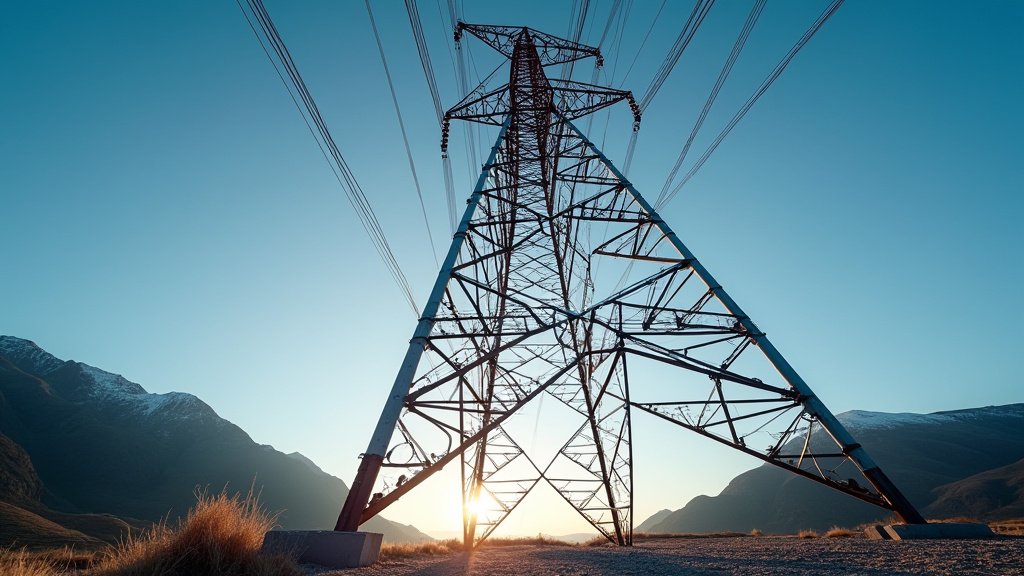
The Laos-China 500 kV transmission line has officially commenced operations, marking a historic milestone in regional energy cooperation. This colossal infrastructure project, which connects the energy-rich landscapes of northern Laos with the bustling industrial hubs of China’s Yunnan Province, represents the highest-voltage power link ever established between the two nations. Presided over by Lao Prime Minister Sonexay Siphandone and senior representatives from China Southern Power Grid Co., Ltd. (CSG), the launch signals a strategic “green energy artery” that promises to reshape the energy landscape of the Lancang-Mekong region.
Key Highlights
- Massive Capacity Expansion: The project increases cross-border power transmission capacity from 50,000 kW to 1.5 million kW, a staggering 30-fold increase.
- Annual Clean Energy Contribution: It is projected to deliver approximately 3 billion kilowatt-hours (kWh) of clean electricity annually, supporting decarbonization efforts in both countries.
- Strategic Grid Balancing: The link allows for dynamic energy exchange: Laos can export surplus hydropower during the rainy season, while receiving necessary power from China during the dry season.
- Environmental Engineering: The 177.5-km line, which cuts through sensitive habitats, incorporates advanced environmental protection measures, including an Asian elephant early-warning system in Yunnan.
- First-of-its-Kind Market Access: This project marks the first time an overseas new energy initiative has participated directly in China’s electricity market, integrating a mountain photovoltaic solar project in Laos into the Chinese grid.
Powering the Lancang-Mekong Region: The Engineering Marvel
Construction and Technical Specifications
The construction of the Laos-China 500 kV transmission line was no small feat. Spanning a total length of 177.5 kilometers, the line includes 145 kilometers within Chinese territory and 32.5 kilometers within Laos. The infrastructure was a collaborative effort between China Southern Power Grid (CSG) and Electricite du Laos Transmission Company Limited (EDL-T).
The engineering team faced daunting physical challenges. The route cuts through the diverse and rugged terrain of northern Laos and the mountainous Xishuangbanna prefecture in China. To minimize the ecological footprint, the project utilized advanced design techniques that prioritized habitat preservation, specifically avoiding protected zones. Furthermore, the installation of an Asian elephant early-warning system showcases the intersection of high-voltage infrastructure and wildlife conservation. This “smart corridor” approach ensures that modern energy development does not come at the cost of local biodiversity, setting a precedent for future transnational infrastructure projects along the Belt and Road Initiative corridor.
Strategic Energy Exchange Dynamics
One of the most critical aspects of this 500 kV line is its role as a stabilizer for the local power grid. Laos possesses significant hydropower potential, which is highly seasonal. During the peak monsoon season, the country experiences an abundance of electricity generation that often exceeds domestic consumption. Previously, without sufficient transmission capacity, this potential energy was underutilized.
With the new high-voltage link, this surplus can now be effectively transmitted to the Chinese market, which maintains a high and consistent demand for clean energy. Conversely, during the dry season—when river levels in Laos drop and hydropower output decreases—the transmission line can reverse the flow, providing vital supplemental power to northern Laos. This symbiotic relationship transforms the energy relationship from one of simple import-export to one of mutual reliance and stabilization. The system allows for better coordination in power dispatch, improved standards management, and expanded training for technicians in both countries, creating a more resilient and integrated power grid that spans borders.
The Future of Clean Energy Markets
Perhaps the most groundbreaking development accompanying this infrastructure is the integration of Lao renewable energy into the Chinese electricity market. The project relies on a large-scale mountain photovoltaic solar project in Laos as one of its core supporting power sources. This is a pioneering development: for the first time, an overseas new energy project is participating directly in China’s competitive electricity market.
By leveraging this new interconnection, the region is shifting away from traditional, coal-dependent energy models toward a cleaner, digitized energy system. In 2026 alone, the project is expected to transmit over 1.1 billion kWh of solar power across the border. This integration supports energy complementarity, where solar energy from Laos provides a reliable daytime power boost to the Chinese grid, while hydropower provides the baseline. This model serves as a blueprint for the future of cross-border energy, demonstrating how regional neighbors can align their energy policies, market structures, and infrastructure to accelerate the global transition to net-zero.
FAQ: People Also Ask
Q: What is the significance of the 500 kV capacity increase?
A: The shift from 50,000 kW to 1.5 million kW is transformative. It allows for the transmission of 3 billion kWh annually, essentially enabling Laos to monetize its excess renewable energy potential at scale while providing China with a reliable, clean energy source. It represents a 30-fold increase in capability, moving beyond minor electricity trading to large-scale grid integration.
Q: How does this project impact the environment?
A: Beyond the transition to clean solar and hydropower, the construction teams implemented strict environmental protections. In the Chinese section, the route was optimized to avoid protected residential and wildlife areas. The project also deployed an Asian elephant early-warning system in Yunnan, demonstrating that high-voltage infrastructure can be built with sensitivity to local ecosystems.
Q: What is the role of the Belt and Road Initiative in this project?
A: This project is a key component of the China-Laos action plan for building a community with a shared future. It falls under the umbrella of infrastructure development designed to deepen connectivity between China and Southeast Asia, fostering closer economic ties and shared energy security goals through modernized infrastructure.


Related Posts