
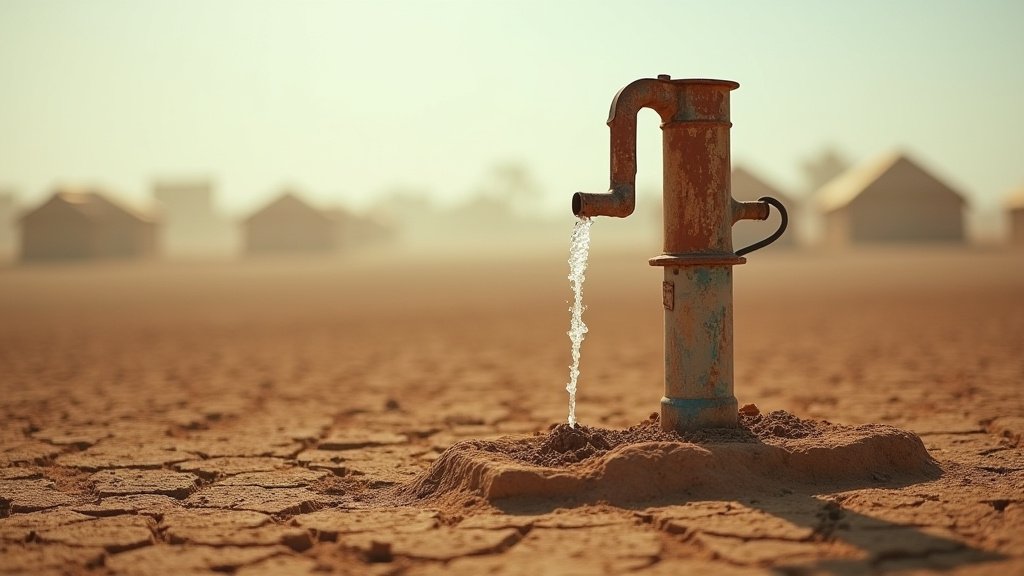
Somalia Famine Risk: 6.5M At Brink As Global Aid Collapses
As the sun rises over the arid plains of the Bakool region, millions of Somali families are confronting a reality that many humanitarian agencies are describing as a preventable catastrophe. With the total number of people facing acute food insecurity now estimated at 6.5 million—a staggering rise from previous projections—the nation is teetering on the precipice of a full-scale famine. This crisis, however, is not merely the result of a failing climate; it is being compounded by a catastrophic collapse in international funding and the sudden, politically motivated exclusion of Somalia from a $2 billion global humanitarian aid pledge by the United States. As resources dry up and nutrition facilities shutter, the country is facing its most dire survival test since the 2011 famine, leaving aid workers, displaced families, and regional experts warning that the failure to act now will have consequences that echo for generations.
Key Highlights
- 6.5 Million at Risk: An estimated 6.5 million Somalis are facing acute food insecurity (IPC Phase 3 and above), with millions more on the brink of starvation.
- The Aid Funding Gap: Humanitarian response plans are critically underfunded, with only roughly 15% of required aid secured—the lowest level on record for this time of year—exacerbated by the U.S. government’s decision to exclude Somalia from a $2 billion global aid pool.
- Mass Displacement: More than 500,000 people have been newly displaced since the start of 2026, adding to an existing population of 3.3 million internally displaced persons (IDPs).
- Systemic Collapse: Over 300 nutrition and health facilities across the country have been forced to close due to funding shortfalls, leaving the most vulnerable—specifically children under five—without access to life-saving care.
- Surging Malnutrition: Health data from early 2026 indicates a 60% increase in severe acute malnutrition cases compared to the previous year, with facilities overwhelmed by patients too weak to stand.
The Anatomy of an Engineered Crisis
To understand the gravity of the situation in Somalia, one must look beyond the immediate imagery of drought. While the failure of the September 2025 Deyr rains and the subsequent harsh Jilaal dry season have undoubtedly decimated livestock and crops, the current crisis is being framed by international observers as a ‘perfect storm’ of natural and political factors. The collapse of the aid architecture is not a passive event; it is a direct result of policy shifts in Washington and global donor fatigue, which have effectively turned the tap off when the country needed it most.
The Politics of Withdrawal
The decision to exclude Somalia from a $2 billion U.S. global humanitarian aid pledge has sent shockwaves through the humanitarian sector. Official justifications for this policy—citing concerns over aid diversion, bureaucratic corruption, and the destruction of World Food Programme (WFP) assets—have been met with widespread condemnation from aid groups on the ground. Critics argue that punishing the Somali population for the actions of spoilers or systemic inefficiencies effectively weaponizes humanitarian aid.
By cutting off essential lifelines, donors have inadvertently created a vacuum that no other actor has been able to fill. This has forced major organizations, such as Save the Children, World Vision, and the WFP, to implement ‘sharp prioritization.’ In practice, this means aid workers are now forced to make impossible triage decisions: deciding which children receive treatment for severe malnutrition and which must be turned away because the clinic has run out of therapeutic supplies.
Climate-Driven Displacement: The New Normal
For the thousands of families streaming into camps in Baidoa and Dollow, the story is consistent: the land can no longer support life. The pastoralist tradition, which has sustained Somali communities for centuries, is effectively collapsing under the weight of recurring, more frequent climate shocks.
Data from the International Organization for Migration (IOM) reveals a harrowing trend: drought now accounts for three out of every four new displacements. Families are not just moving because of a single bad season; they are fleeing a cycle of permanent instability. After losing livestock—the primary form of household wealth—and suffering consecutive crop failures, the rural poor are left with no assets to survive on. When they reach displacement camps, they often find only skeletal infrastructure. With over 300 nutrition facilities closed due to the lack of operational funding, these families are trading one form of survival for another—trading the danger of starvation in the bush for the overcrowding and disease risks of poorly serviced urban camps.
Economic Impacts and Global Supply Chains
The crisis is not confined to the borders of Somalia. The ripple effects of the broader Middle East conflict have significantly increased the cost of commodities within the country. Somalia relies heavily on imports for its essential goods, and the disruption of regional supply routes, coupled with rising fuel costs—which have surged by over 100%—has made the basic cost of existence prohibitive.
As fuel prices increase, the cost to transport food aid, water, and essential medicines rises exponentially. This inflation acts as a force multiplier for the humanitarian crisis, making every dollar of remaining aid stretch less far. The economic data is clear: the country is witnessing an inflationary spiral that is hitting those with zero purchasing power the hardest. As markets fail and trade routes become volatile, the internal food supply is becoming increasingly localized and, consequently, increasingly inadequate.
FAQ: People Also Ask
Q: Why was Somalia excluded from the $2 billion US aid pledge?
A: The exclusion was reportedly tied to concerns from US officials regarding the diversion of aid, systemic corruption, and incidents involving the destruction of humanitarian infrastructure, such as World Food Programme warehouses. This policy, however, has been criticized for punishing vulnerable civilians.
Q: Is there any hope for improvement with the rainy season?
A: While the April–June Gu rainy season has begun, experts warn it offers only limited relief. The damage to the pastoral economy—specifically the loss of livestock—is long-term. Rain cannot bring back dead herds or immediately restore agricultural productivity after years of soil degradation.
Q: How does this crisis compare to the 2011 famine?
A: Current projections and malnutrition rates are mirroring the early warning indicators seen prior to the 2011 famine, which claimed over 257,000 lives. Aid agencies are sounding the alarm that without immediate intervention, the country could be headed toward a similar or worse outcome due to the lack of current funding.
Q: What is the current displacement count?
A: Over 500,000 people have been newly displaced since the start of 2026, joining an existing population of 3.3 million internally displaced persons who were already living in precarious conditions.


Related Posts