US, Iran Clash: Strait of Hormuz Tensions Spike Oil Prices
The United States and Iran have engaged in direct naval confrontations in the Strait of Hormuz, a critical chokepoint for global oil supplies, sending shockwaves through international markets and causing a significant uptick in crude oil prices. The escalating tensions in this vital waterway underscore the fragile geopolitical landscape and its immediate economic repercussions.
Key Highlights:
- Naval skirmishes reported between US and Iranian forces in the Strait of Hormuz.
- Oil prices surged significantly in response to the heightened tensions.
- The Strait of Hormuz is a crucial artery for global energy transport.
- International bodies are calling for de-escalation to prevent further market disruption.
- The incident highlights the persistent risks of conflict in the Persian Gulf region.
Escalation in the Strait: A Precedent for Volatility
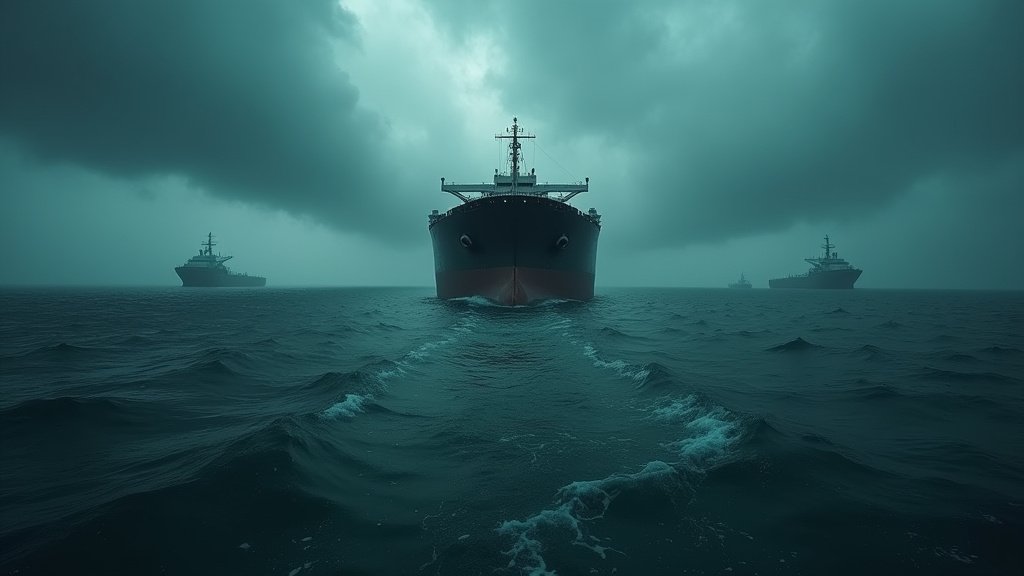
The waters of the Strait of Hormuz, a narrow passage between the Persian Gulf and the Gulf of Oman, have once again become the focal point of a dangerous military exchange between the United States and Iran. Reports indicate that US naval assets intercepted and deterred several Iranian vessels that were reportedly conducting aggressive maneuvers in close proximity to commercial shipping lanes. While official statements from both sides offer differing accounts of the events, the consensus among maritime security analysts is that the incident represents a serious escalation, threatening the free flow of oil that transits this vital maritime corridor daily. The US Navy’s Fifth Fleet, responsible for the region, confirmed that its vessels maintained a safe distance and issued warnings to prevent any interference with shipping, asserting its commitment to freedom of navigation.
The Economic Ripple Effect: Oil Price Surge
Almost immediately following news of the confrontations, global oil benchmarks experienced a notable price increase. Brent crude futures and West Texas Intermediate (WTI) both saw gains as traders factored in the increased risk premium associated with potential supply disruptions. The Strait of Hormuz accounts for approximately 30% of the world’s seaborne oil trade, making it exceptionally sensitive to any geopolitical instability. Analysts at the International Energy Agency (IEA) have stated that while current global oil reserves can absorb short-term disruptions, a prolonged conflict or sustained blockade in the Strait could lead to severe shortages and further price hikes, potentially impacting global economic recovery. The Pentagon has indicated that it is closely monitoring the situation and has increased its naval presence in the region to ensure the safety of maritime traffic.
Geopolitical Undercurrents and Regional Stability
This latest clash is not an isolated event but rather a manifestation of the long-standing and complex geopolitical rivalry between the United States and Iran. The Strait of Hormuz has historically been a flashpoint, with both nations employing various tactics to assert their influence and project power. Iran has, in the past, threatened to close the Strait in retaliation for sanctions or perceived aggression, a move that would have catastrophic consequences for the global economy. The US, in turn, has maintained a significant military presence to ensure the passage of oil tankers and to counter what it describes as Iran’s destabilizing activities in the region. Experts point to a pattern of calculated provocations and responses that keep regional tensions perpetually simmering. The involvement of international maritime forces, including those from allied nations, aims to deter any aggressive actions and maintain open shipping lanes.
International Reactions and Calls for Diplomacy
World leaders and international organizations have reacted with concern to the escalating situation. The United Nations has urged both parties to exercise maximum restraint and engage in dialogue to de-escalate the tensions. The European Union has reiterated its commitment to maritime security and called for a peaceful resolution to the dispute. Energy-dependent nations are particularly watchful, as any prolonged disruption in the Strait could lead to significant economic hardship. Diplomatic channels are reportedly active behind the scenes, with various international actors attempting to mediate and prevent a wider conflict. The underlying objective remains the safeguarding of international trade routes and the prevention of a regional conflagration that could have far-reaching global consequences.
Historical Context: A Recurring Flashpoint
The Strait of Hormuz has been a critical strategic location for centuries, but its importance has been amplified in the modern era due to the vast quantities of oil that traverse its waters. Throughout the Iran-Iraq War, the Strait was a battleground, known as the “Tanker War,” where both sides targeted each other’s oil facilities and shipping. Following the 1979 Iranian Revolution, the US has consistently sought to ensure its unhindered passage. Sanctions imposed on Iran have often led to retaliatory actions, including the harassment of naval vessels and oil tankers. The current US administration’s policy towards Iran, coupled with Iran’s regional ambitions and responses to international pressure, creates a volatile dynamic that frequently brings the two nations to the brink in this sensitive waterway. The consistent pattern of incidents suggests that the Strait will likely remain a focal point of geopolitical tension for the foreseeable future.
FAQ: People Also Ask
What is the Strait of Hormuz and why is it important?
The Strait of Hormuz is a strategically vital strait connecting the Persian Gulf with the Gulf of Oman. It is a narrow waterway, only about 21 miles wide at its narrowest point, and it is crucial because approximately 30% of the world’s globally traded oil, including crude oil and refined products, passes through it daily via oil tankers. Its strategic importance lies in its role as a critical chokepoint for energy supplies to the global market.
What are the main causes of tension between the US and Iran in the Strait of Hormuz?
Tensions stem from a complex mix of geopolitical rivalries, Iran’s regional policies, US sanctions against Iran, and differing interpretations of international maritime law and freedom of navigation. Iran has at times threatened to disrupt shipping or close the Strait in response to international pressure, while the US maintains a naval presence to ensure safe passage for commercial vessels and to counter what it views as Iranian destabilizing activities.
How do military confrontations in the Strait of Hormuz affect global oil prices?
When military confrontations or threats occur in the Strait of Hormuz, global oil prices tend to rise. This is due to the increased perceived risk of supply disruption. Traders and investors react to the potential for reduced oil flow, factoring in a risk premium that drives up the cost of crude oil. Even the threat of a closure or significant disruption can cause prices to spike significantly.
What is the role of the US Navy in the Strait of Hormuz?
The US Navy, primarily through its Fifth Fleet based in Bahrain, plays a significant role in maintaining security and ensuring the free flow of maritime commerce through the Strait of Hormuz. Its missions include escorting commercial vessels, deterring hostile actions by Iran or other actors, and conducting freedom of navigation operations to uphold international maritime law.
What are the potential consequences of a prolonged conflict in the Strait of Hormuz?
A prolonged conflict or blockade in the Strait of Hormuz could have severe global economic consequences. It would likely lead to a drastic increase in oil prices, potentially causing widespread inflation, energy shortages in importing countries, and significant disruptions to global supply chains. This could trigger a global economic recession and destabilize already fragile geopolitical situations.


Related Posts