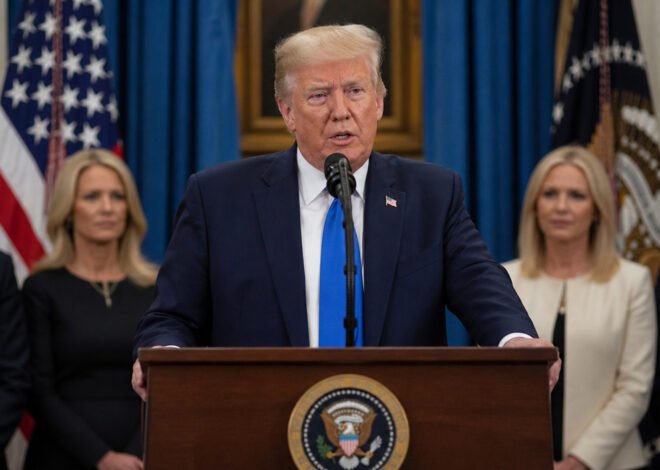

Trump in China: Trade, Taiwan, Iran on Agenda
Former President Donald Trump has arrived in China for crucial discussions, with trade relations, the volatile situation in Taiwan, and the ongoing Iran war concerns topping the agenda.
Key Highlights:
- Discussions to focus on US-China trade dynamics and potential adjustments.
- Taiwan’s geopolitical status and regional stability to be addressed.
- Iran’s nuclear program and its impact on global security are on the table.
Navigating Complex Geopolitical Waters
Trump’s arrival in Beijing marks a significant moment in US-China relations, particularly as the two global powers navigate a landscape fraught with economic and security challenges. The talks are expected to delve deeply into the intricacies of the bilateral trade relationship, a subject that has been a cornerstone of diplomatic and economic policy under various administrations. Both sides are anticipated to explore avenues for rebalancing trade flows, potentially addressing tariffs, market access, and intellectual property rights.
The Taiwan Tensions
Another critical component of the discussions will undoubtedly be Taiwan. The self-governing island, which Beijing considers a renegade province, remains a persistent flashpoint in the region. Trump’s engagement with Chinese leadership on this sensitive issue could have far-reaching implications for regional stability and international diplomacy. The White House and Beijing will likely seek to manage perceptions and prevent escalations while asserting their respective positions.
Iran’s Nuclear Ambitions and Global Security
The shadow of Iran’s nuclear program and its potential to destabilize the Middle East and beyond will also loom large over the summit. The international community, including the US and China, has a vested interest in ensuring that Iran does not acquire nuclear weapons. Discussions are expected to cover diplomatic strategies, sanctions, and coordinated efforts to de-escalate tensions in the region. China’s role as a major economic partner of Iran and a permanent member of the UN Security Council makes its cooperation crucial.
Secondary Angles Explored:
- Economic Ramifications: The outcome of these talks could significantly impact global financial markets, supply chains, and the future of international trade agreements. Analysts will be closely watching for any shifts in economic policy or trade frameworks.
- Historical Precedents: This meeting can be viewed in the context of past US-China dialogues, examining how previous engagements have shaped current relations and what lessons can be drawn for contemporary diplomacy.
- Future Global Order: The discussions may offer insights into the evolving dynamics of global governance and the potential for greater cooperation or competition between major world powers in the coming years.
FAQ: People Also Ask
What are the main points of contention in US-China trade relations?
Primary points of contention include trade deficits, intellectual property theft allegations, market access restrictions for foreign companies, and state subsidies for Chinese industries.
What is the international stance on Taiwan’s sovereignty?
Most countries officially acknowledge the


Related Posts