U.S. Targets Iran: New Sanctions & 14-Day Campaign
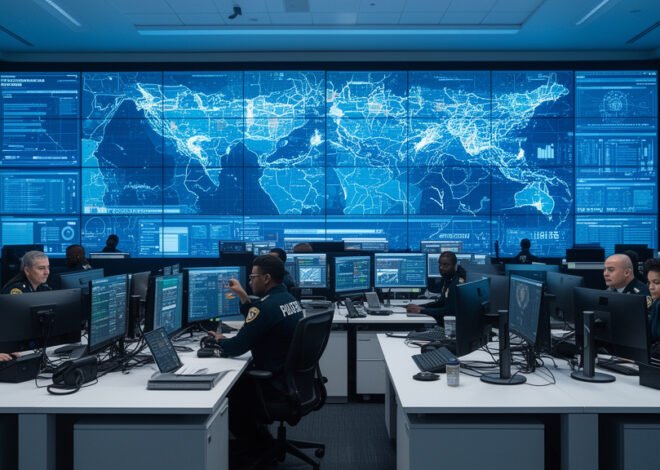
In a decisive shift in regional policy, U.S. Central Command (CENTCOM) has launched a series of strategic military strikes against Iranian targets, directly responding to the recent, lethal aggression against U.S. troops stationed in Jordan. This latest Iran war update marks the most significant engagement in the region this year, signaling a pivot from containment to a direct effort to degrade Iranian missile capabilities. Military analysts indicate that planners are currently orchestrating a 10-14 day campaign specifically aimed at neutralizing Iranian missile facilities to prevent further destabilization of the Levant.
Key Highlights
- Military Response: CENTCOM has initiated active strikes targeting Iranian military infrastructure in direct retaliation for attacks on U.S. forces in Jordan.
- 14-Day Campaign: Military leadership is preparing a sustained 10-14 day operational window focused on disabling key Iranian missile production and storage facilities.
- Economic Sanctions: The U.S. Treasury has imposed new sanctions on 10 specific entities to sever financial lifelines, with eight of these entities identified as operating out of China.
- Strategic Objective: The primary goal is the degradation of offensive capabilities rather than an immediate, full-scale invasion, focusing on tactical site neutralization.
The Strategic Shift: Neutralizing Missile Infrastructure
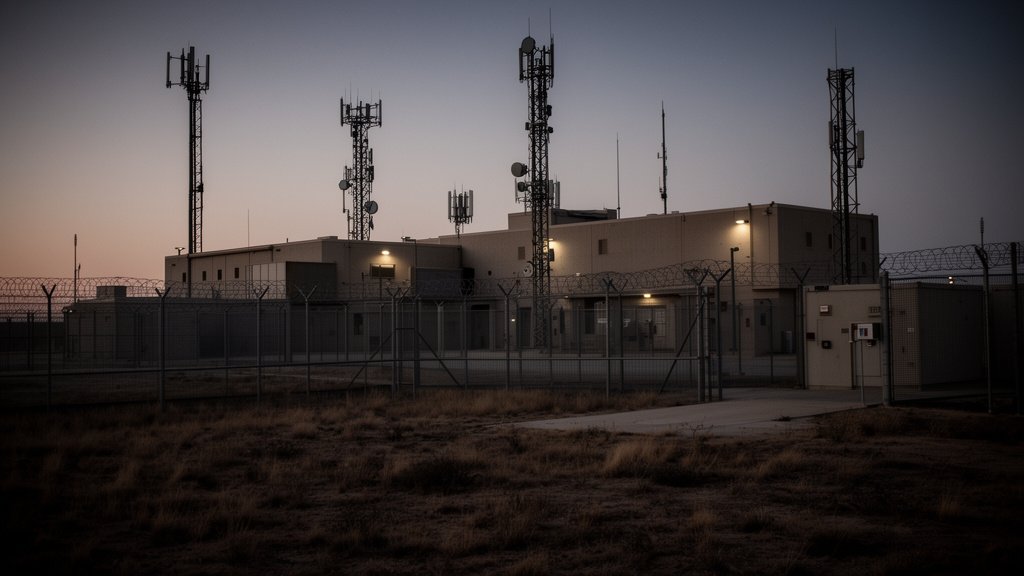
The current military posture represents a calculated recalibration by U.S. Central Command (CENTCOM). Following the provocation in Jordan, where U.S. personnel suffered casualties, the Pentagon has moved beyond standard deterrence tactics. The objective of the ongoing operations is not occupation, but the systematic dismantling of Iranian ballistic and cruise missile infrastructure. By targeting these facilities, the U.S. aims to limit Iran’s ability to project force against coalition assets and regional allies.
Operational Parameters and Timeline
The current operational planning identifies a critical 10-14 day window for these specific strikes. This timeframe is designed to allow for comprehensive intelligence gathering between waves of fire, ensuring maximum impact on high-value, hardened targets. Military planners have emphasized that the campaign relies on precision-guided munitions to minimize collateral damage while ensuring the functional destruction of launch sites and storage bunkers. This duration suggests a phased approach, allowing for diplomatic off-ramps if the Iranian leadership chooses to de-escalate, while maintaining maximum pressure if they do not.
The Economic Front: The China Connection
Simultaneous to the military action, the U.S. administration has tightened the economic screws. The imposition of sanctions on 10 specific entities is a critical development, particularly the inclusion of eight China-based firms. This move underscores the U.S. perspective that Iranian military expansion is fueled, in part, by external procurement networks. By disrupting these supply chains, the U.S. is attempting to starve the Iranian missile program of the specialized components and capital required for its continued advancement. Analysts suggest this is a warning shot to other nations facilitating defense transfers to Tehran.
Secondary Angles: Understanding the Wider Impact
Energy Market Volatility
The specter of conflict in the Middle East inevitably sends ripples through global energy markets. With the announcement of a 10-14 day military campaign, energy traders have already begun factoring in potential supply disruptions, leading to a spike in crude oil futures. The endurance of this volatility will depend heavily on the severity of the U.S. strikes and the anticipated Iranian response. If regional shipping routes, such as the Strait of Hormuz, remain unaffected, market panic may subside; however, any expansion of the conflict poses a significant risk to global energy stability.
The Diplomatic Chill
The sanctions targeting Chinese entities introduce a new layer of complexity to the U.S.-China relationship. By directly linking Chinese firms to the Iranian military apparatus, the U.S. has effectively raised the cost for Beijing to continue its current level of economic engagement with Tehran. This creates a difficult diplomatic situation: Beijing must now decide whether to enforce stricter compliance on its firms or risk broader economic retaliation from Washington. This development is likely to cool diplomatic ties in the short term, complicating broader trade negotiations.
The Precedent of ‘Limited’ Engagement
A final, crucial angle to consider is the strategic precedent being set by this 10-14 day campaign model. By publicizing a limited duration, the U.S. is signaling that this is a ‘punishment and degradation’ campaign rather than a war of conquest. This is a delicate balancing act. If the strikes fail to meaningfully degrade Iranian capabilities, the U.S. risks appearing weak, emboldening Tehran. If the strikes are too successful, the U.S. risks a massive, uncontrollable escalation that could drag the region into a wider conflict. The coming two weeks will be a test of precision warfare and diplomatic signaling.
FAQ: People Also Ask
Is this the start of a full-scale war between the U.S. and Iran?
No. Current military planning, as disclosed by CENTCOM, describes a focused, limited-duration campaign of 10-14 days aimed at specific missile infrastructure. The objective is degradation of military capability, not a ground invasion or total war.
Why are the new sanctions targeting Chinese entities specifically?
The U.S. government has identified these specific entities as integral supply chain links for the Iranian missile program. Targeting these firms is intended to disrupt the procurement of parts and funding that fuel regional volatility.
How will this 10-14 day campaign affect oil prices?
Market analysts expect continued volatility in oil prices while the military operation is active. The duration and scope of the campaign will dictate market reactions; however, stability is expected to return once the strikes conclude, provided there is no significant spillover or disruption to key shipping chokepoints.
What triggered this specific military response?
The primary catalyst was a series of lethal attacks on U.S. troops stationed in Jordan, which crossed a ‘red line’ for CENTCOM. The U.S. stated clearly that the safety of its personnel is non-negotiable, necessitating a direct, kinetic response.

Related Posts