DOJ Drops Vandalism Case: Lincoln Pool Damage Linked to Contractor
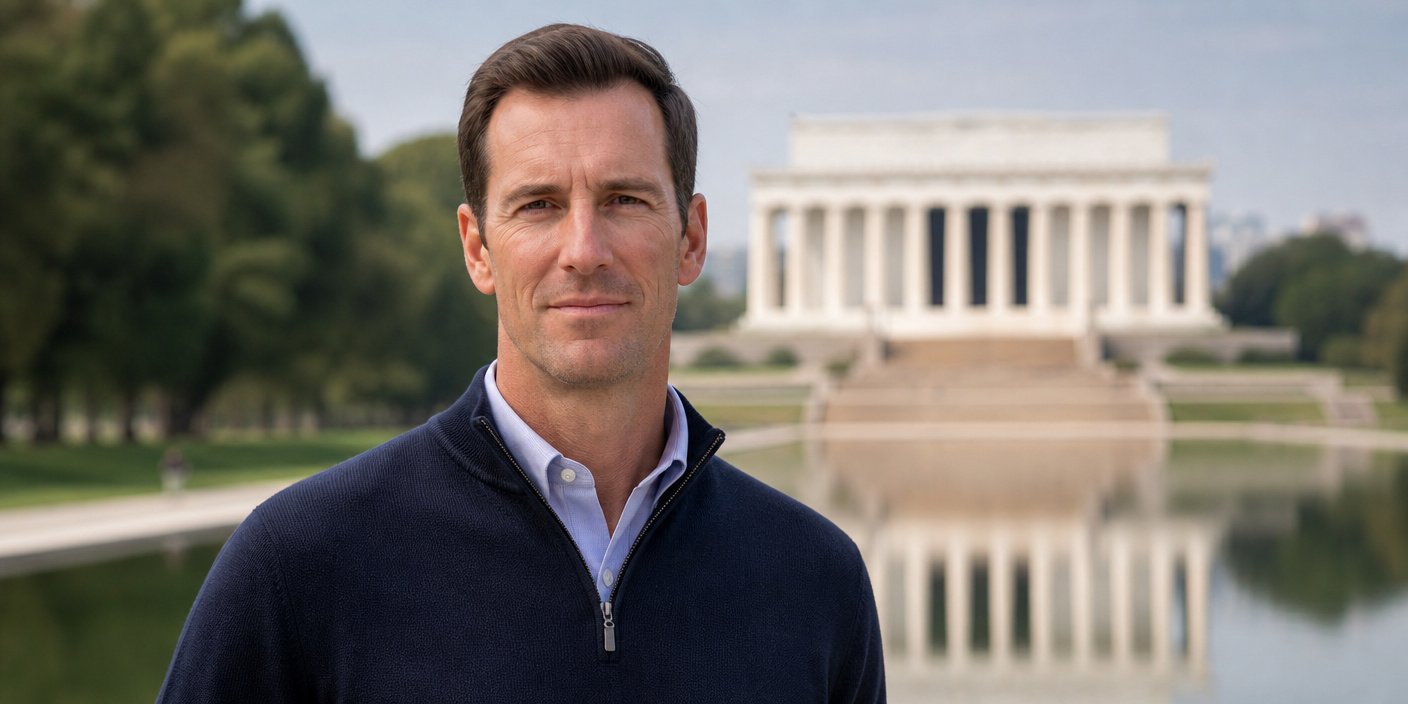
The Department of Justice has officially requested the dismissal of a criminal case involving significant damage to the historic Lincoln Memorial Reflecting Pool. The development marks a major reversal for federal investigators, who had previously alleged that former Olympic athlete David Hearn was responsible for the incident. Prosecutors now acknowledge that internal documentation confirms the damage resulted from a botched project installation conducted by a third-party contractor, effectively clearing Hearn of any criminal liability.
Key Highlights
- Charges Withdrawn: The DOJ has requested a dismissal of all criminal counts related to the Reflecting Pool damage.
- Contractor Error Confirmed: Forensic review of internal documents identified a flawed project installation process by a contractor as the sole cause of the structural damage.
- Exoneration of Former Olympian: David Hearn, initially identified as the primary suspect, has been officially cleared of all allegations of vandalism.
- Institutional Oversight: The National Park Service and federal investigators are facing renewed scrutiny regarding their initial evidence gathering and rapid attribution of blame.
Unraveling the Reflecting Pool Incident: A Miscalculated Project
The incident, which initially garnered national headlines due to the involvement of a public figure, has taken a procedural turn that highlights the complexities of federal evidence and the hazards of premature attribution. The Lincoln Memorial Reflecting Pool, one of the most iconic landmarks in the United States, faced structural integrity concerns following what investigators initially characterized as a deliberate act of vandalism. However, the latest filings from the Department of Justice indicate that the damage was the result of a technical failure occurring during a routine site upgrade project.
The Collapse of the Prosecution’s Theory
For months, the legal proceedings hinged on the narrative that the damage was the result of unauthorized, intentional action. The prosecution had built its case on circumstantial evidence that seemed to point toward David Hearn, whose presence near the area at the time of the incident was heavily scrutinized. This narrative gained traction in the media, creating a significant reputational burden for the former Olympian. However, as discovery proceeded, the defense team gained access to internal logs and project management documents from the contractor tasked with the site’s infrastructure updates.
These documents revealed a starkly different reality: a systemic failure in the installation protocols of a contracted firm. The specific technical error involved an improper calibration of hydraulic supports during an upgrade to the pool’s filtration intake system. This failure caused the structural stress that investigators had misidentified as a vandalism-related event. Faced with this exculpatory evidence, the DOJ, adhering to its ethical obligations, moved to abandon the case, acknowledging that the prior theory of criminal intent lacked a foundation in objective fact.
Contractor Liability and Public Safety
The revelation shifts the focus from criminal prosecution to civil and regulatory accountability. The contractor, currently under investigation for their role in the incident, now faces potential scrutiny from the National Park Service (NPS) and oversight bodies. Federal project installations in historically sensitive areas like the National Mall are governed by rigorous safety and quality assurance standards. The fact that an installation error caused such visible damage suggests a lapse in project management protocols that may lead to future audits of similar contracts across the National Mall’s landscape.
Questions remain regarding how the initial investigation by federal authorities led to such a definitive, albeit incorrect, conclusion. Legal experts suggest that the reliance on initial, incomplete site reports may have created a confirmation bias, leading investigators to focus on a ‘vandalism’ narrative rather than examining the recent work orders of the site’s contractors. This scenario underscores the vital necessity for objective evidence-gathering before publicly identifying suspects in high-profile criminal investigations.
The Burden of Wrongful Allegation
David Hearn’s legal counsel emphasized the psychological and reputational toll taken by the misidentified criminal accusation. In an age where digital footprints and instantaneous reporting drive public perception, the ‘Olympian vandal’ label spread rapidly, leading to professional and personal fallout for Hearn. The DOJ’s move to dismiss the case is not merely a legal victory but a necessary correction of the public record. While the dismissal allows Hearn to move forward, the case serves as a cautionary tale about the dangers of institutional overreach when investigating damage to national property. The transparency required in federal investigations is not merely a courtesy; it is a fundamental requirement of the justice system to prevent the irreversible harming of an individual’s reputation due to administrative or investigative error.
FAQ: People Also Ask
1. Why did the DOJ initially charge David Hearn?
The initial investigation relied on incomplete evidence and flawed circumstantial assessments that linked the Olympian’s presence in the vicinity of the Lincoln Memorial to the timeline of the damage, leading investigators to incorrectly conclude he was the perpetrator.
2. What caused the damage to the Reflecting Pool?
Official investigations into internal project documents revealed that the damage was caused by a botched project installation performed by a third-party contractor, specifically involving a failure in the structural support calibration during a site upgrade.
3. Will the contractor be held accountable?
The DOJ has cleared Hearn, but the focus has now shifted to the contractor. It is anticipated that the National Park Service and relevant federal agencies will pursue civil actions or contractual penalties regarding the faulty work performed at the site.
4. Is David Hearn pursuing further legal action?
While the DOJ has requested the dismissal of criminal charges, the question of civil litigation for defamation or damages is a separate matter that rests with Hearn and his legal representation. At this time, no formal announcement regarding civil proceedings has been made.


Related Posts