Trump Targets Big Oil: Demands Profit Sharing Amid Iran Crisis
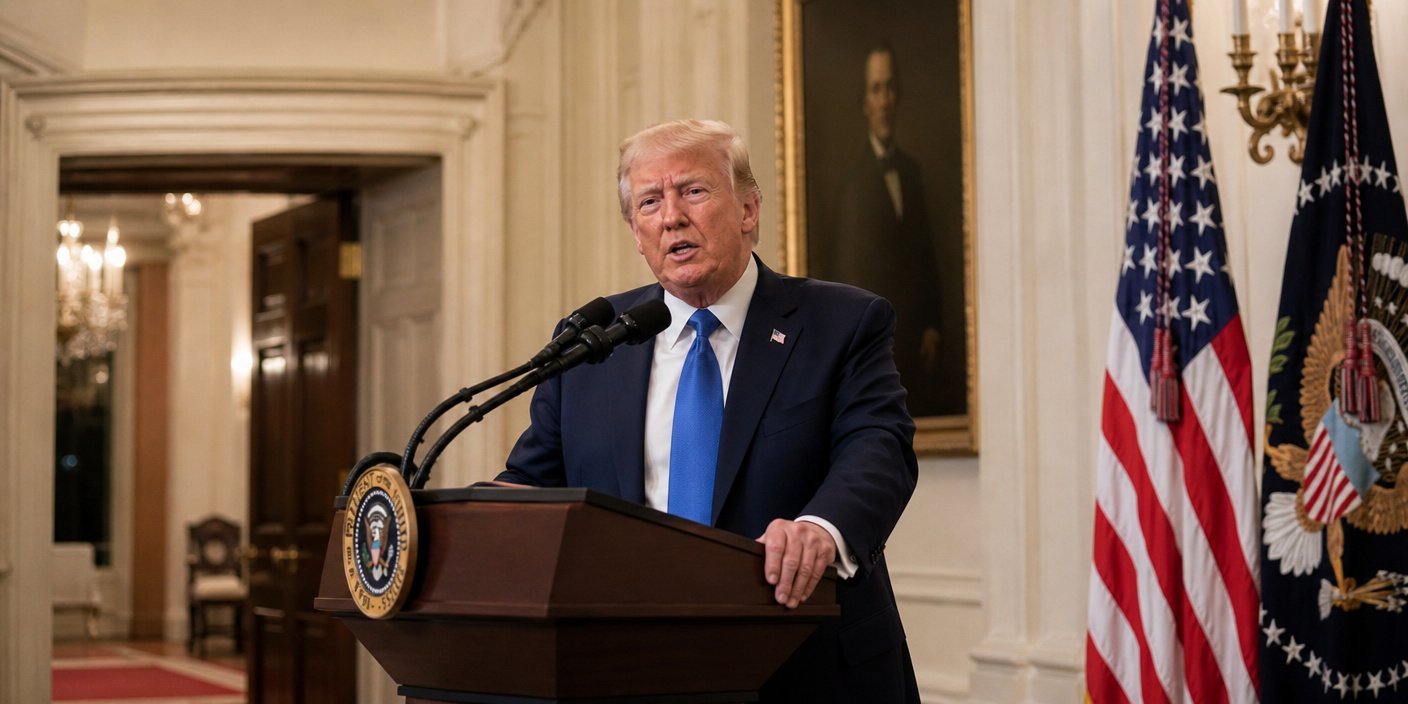
President Donald Trump has leveled a significant public ultimatum at the energy sector’s most dominant players, including ExxonMobil and Chevron, demanding that these corporations immediately pivot to reduce retail fuel prices for American consumers. The President’s directive centers on the assertion that these companies have capitalized excessively on the volatility triggered by the escalating conflict with Iran, accruing massive windfall profits that, in the administration’s view, should be redistributed to the public in the form of lower gas prices.
Key Highlights
- Executive Pressure: President Trump has publicly called for ExxonMobil, Chevron, and other major energy producers to lower fuel prices, citing record-breaking profits.
- The ‘War Premium’: The administration argues that current energy pricing is inflated due to geopolitical volatility surrounding the conflict with Iran.
- Windfall Allegations: Official statements suggest that energy giants are generating excessive revenue at the expense of average citizens during a time of national security crisis.
- Market Impact: Industry stakeholders are now assessing the potential for government intervention, including possible regulatory measures or windfall taxation, if voluntary price adjustments are not enacted.
The Executive Ultimatum and the Energy Sector
The White House has adopted an increasingly aggressive posture regarding the energy market, framing the current pricing strategies of oil conglomerates as a departure from national interest. By directly calling out industry titans like ExxonMobil and Chevron, the administration has signaled that the era of ‘business as usual’ during the ongoing Iran conflict may be coming to an end. The President’s rhetoric specifically targets the disconnect between global crude oil valuations and the retail pump prices faced by American drivers, alleging that major refineries are retaining an disproportionate share of the margins created by the current instability.
Analyzing the Windfall Narrative
The crux of the current dispute lies in the classification of these earnings as ‘windfall profits.’ In the context of international conflict, energy markets often experience rapid, upward price shocks driven by speculation and supply chain uncertainty. The administration asserts that these margins—amplified by the Iran situation—are not merely the result of market efficiency but are bolstered by geopolitical risk premiums. By pressuring these firms to reduce prices, the White House is essentially attempting to force a voluntary subsidy from the energy sector to act as a buffer for the domestic economy, shielding consumers from the full inflationary brunt of global instability.
Industry Response and Economic Viability
ExxonMobil and Chevron, among other industry leaders, operate on global market principles where supply and demand dictate pricing. A pivot to reduced retail pricing—effectively an artificial price cap—could have significant repercussions for shareholder value and future capital expenditure. If these companies bow to executive pressure, they risk alienating institutional investors who prioritize quarterly earnings over public policy initiatives. Conversely, ignoring a direct demand from the Oval Office invites the specter of punitive legislation. Historical precedent suggests that when energy prices remain stubbornly high during times of war, the federal government is quick to explore options such as windfall profit taxes or stricter export controls, both of which would fundamentally alter the profitability of the US energy sector.
Strategic Energy Economics and Future Implications
Beyond the immediate tension of this standoff, the incident highlights three secondary angles regarding the role of energy in national security and economic stability.
1. The Historical Context of Price Controls
Throughout modern history, American administrations have occasionally attempted to curb energy costs during wartime. From the mid-century regulatory environment to the energy crises of the 1970s, the struggle between executive authority and free-market pricing remains a constant tension. By invoking the Iran conflict as a catalyst, the current administration is leaning into a historical narrative that energy security is inextricably linked to consumer affordability, challenging the notion that oil companies are independent entities immune to national crisis management.
2. The Shareholder vs. Consumer Dilemma
This standoff places the boards of directors at companies like Chevron and ExxonMobil in a precarious position. The fiduciary duty to maximize shareholder returns is directly at odds with the political necessity of lowering prices to quell public unrest. Should these firms opt for short-term price reductions to appease the administration, they risk a broader valuation drop and accusations of failing to act in the best interest of their investors. This creates a volatile environment where energy stocks may experience increased sensitivity to political announcements, potentially leading to ‘political risk’ premiums being priced into the energy sector permanently.
3. Long-term Geopolitical Volatility
If the conflict with Iran persists, the ability of the federal government to dictate energy pricing will face its ultimate test. A sustained campaign against oil companies could lead to reduced domestic investment if firms feel their margins are structurally under attack. This creates a secondary risk: if producers scale back, domestic output may decrease, potentially driving prices even higher in the long run—the exact opposite of the administration’s stated goal. The coming weeks will likely see an intense series of closed-door negotiations between the Department of Energy and industry lobbyists to find a middle ground before any concrete regulatory moves are made.
FAQ: People Also Ask
Q: What is the specific legal basis for the President to force oil companies to lower prices?
A: While the President has significant ‘bully pulpit’ power to influence public opinion and executive agencies, direct legal authority to set retail prices is limited. However, the threat of potential windfall profit taxes, changes to refining regulations, or export restrictions gives the administration substantial leverage in negotiations.
Q: How does the conflict with Iran specifically affect oil prices?
A: The conflict affects prices primarily through the risk of supply disruptions in the Persian Gulf, a critical chokepoint for global oil shipments. Speculators drive up the cost of futures contracts based on the possibility that regional instability could lower total supply.
Q: Are ExxonMobil and Chevron the only companies being targeted?
A: While they were specifically named, the administration’s rhetoric is generally aimed at the entire major integrated oil and gas industry. These two companies were cited as emblematic of the sector due to their massive scale and visibility, but the policy implications extend to all independent and major producers operating within the US market.


Related Posts