
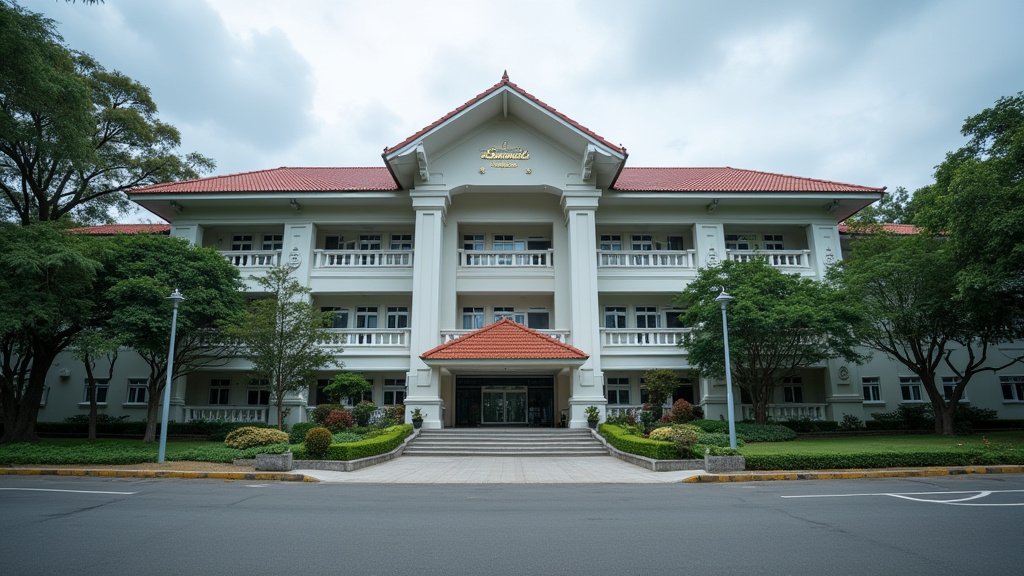
Thailand Tragedy: 14-Year-Old Gunman Kills 7 in School Shooting
The academic landscape in Thailand has been irrevocably altered following a catastrophic shooting incident at the Debsirin Nonthaburi School. A 14-year-old student, in a series of events that have left the nation in shock, opened fire on school grounds, claiming the lives of five staff members. This tragedy was the culmination of a violent rampage that began earlier in the day when the perpetrator reportedly killed his two grandparents at their home. The student subsequently took his own life, leaving investigators and the public grappling with the profound loss of seven lives and the complex motivations behind such an unprecedented act of youth violence.
- Total Casualties: Seven lives lost, including five school staff members and two grandparents of the perpetrator.
- Incident Timeline: The rampage began at the perpetrator’s home before moving to Debsirin Nonthaburi School.
- Perpetrator Profile: A 14-year-old male student; his actions have triggered an immediate and urgent government-led security response.
- Current Status: Authorities are conducting a comprehensive investigation into the motive and access to weaponry, as the nation mourns the loss of the educators and family members.
The Tragedy at Debsirin Nonthaburi: An Unfolding Crisis
The shooting at Debsirin Nonthaburi School represents a significant deviation from typical security challenges in Thai educational institutions. As the Royal Thai Police and the Ministry of Education scramble to piece together the events, the narrative remains one of deep national mourning and confusion. The perpetrator, a student still in his early teens, managed to inflict catastrophic damage both within his own home and the school environment, raising critical questions about the intersection of domestic instability and educational security.
A Sequence of Unimaginable Violence
Initial findings released by the Royal Thai Police indicate that the event unfolded in two distinct phases. The violence was initiated at the perpetrator’s residence, where the 14-year-old allegedly killed his grandparents. This domestic tragedy served as the precursor to the larger, public-facing incident at the school. By the time the teenager arrived at Debsirin Nonthaburi School, the intent for further violence appeared solidified. The attack resulted in the deaths of five staff members—dedicated professionals caught in a moment of unimaginable terror. The shooter then took his own life on the school campus, ending the active threat but initiating a long, arduous process of grief for the survivors and the community.
Anatomy of a School Safety Crisis
This incident highlights a critical vulnerability in school safety protocols across the region. Educational institutions are designed as spaces of growth and learning, not fortresses, making them inherently difficult to secure against internal threats. The involvement of a 14-year-old student at Debsirin Nonthaburi School forces a confrontation with the reality of “insider threats.” Unlike external intruders, a student already has authorized access to the campus. This complicates security measures, as standard lockdown procedures often rely on denying entry to non-authorized individuals. The Ministry of Education is now expected to face immense pressure to implement stricter surveillance, mental health screening, and visitor management systems that can identify signs of radicalization or extreme emotional distress before they escalate into physical violence.
The Broader Implications for Firearms Regulation
While the specific mechanics of how the 14-year-old obtained a firearm are still under active investigation by law enforcement, the incident has reignited the national debate regarding firearms regulation in Thailand. Although Thailand has relatively strict laws compared to some nations, the accessibility of weapons—even among minors—remains a subject of intense scrutiny. Public discourse is shifting toward demanding more rigorous accountability for firearm owners and tighter controls on how weapons are stored, particularly in households with children. This tragedy is viewed by policy analysts as a watershed moment that could catalyze legislative changes aimed at curbing the proliferation of illegal and loosely secured firearms.
Institutional Responses and Mental Health Advocacy
The Thailand Public Health Ministry, alongside national education authorities, has launched an urgent response to provide psychological support to the students, staff, and families affected by the Debsirin Nonthaburi shooting. The trauma of witnessing such a violent event within the safe confines of a school is profound. Experts argue that simply increasing security personnel or installing metal detectors is an incomplete strategy. A comprehensive approach must include robust mental health intervention programs designed to identify “red flags” in student behavior. By fostering an environment where students feel safe to report concerns about their peers without fear of retribution, institutions may be better equipped to intervene long before a crisis occurs.
The Path Toward Community Healing
Moving forward, the focus must inevitably shift toward long-term recovery. For the community surrounding Debsirin Nonthaburi School, the road will be painful. Memorials, counseling sessions, and public hearings are likely to become the new norm as the community seeks to understand how such a tragedy could occur in their midst. The government’s willingness to address the systemic failures exposed by this event will be the ultimate test of their governance. As the investigation concludes and the details of the perpetrator’s motive become clearer, the broader lesson for the nation must be that school safety is not merely a technical challenge, but a societal one requiring vigilance, empathy, and decisive action.
FAQ: People Also Ask
What measures are being taken to prevent future school shootings in Thailand?
The government, led by the Ministry of Education and security agencies, is currently evaluating school security protocols. This includes potential reviews of visitor access, student mental health monitoring programs, and stricter enforcement of firearm storage regulations in homes.
How can schools detect potential threats before they escalate?
Educational psychologists emphasize the importance of behavioral monitoring systems, creating anonymous reporting channels for students, and training teachers to recognize early warning signs of extreme emotional distress or antisocial behavior in teenagers.
What is the status of the investigation into the Debsirin Nonthaburi shooting?
The Royal Thai Police are currently in the midst of a forensic investigation to confirm the exact timeline and to determine how the perpetrator accessed the weapon used in both the home and school attacks. Updates are being provided as they become available to the public.


Related Posts