Middle East Crisis: Israel Strikes Lebanon, Hormuz Deal Looms
The Middle East stands at a critical juncture today as escalating hostilities in southern Lebanon collide with high-stakes diplomatic maneuvering aimed at reopening the Strait of Hormuz. As military operations intensify in the north, the U.S.-led diplomatic track appears to be yielding unexpected momentum, with officials signaling that a major breakthrough in maritime navigation could be achieved as early as today.
Key Highlights
- Resumption of Hostilities: Israel has initiated targeted strikes in southern Lebanon, citing ongoing ceasefire violations by Hezbollah as the primary driver for the military action.
- Maritime Breakthrough: Diplomatic efforts, spearheaded by the United States, are nearing a critical phase regarding the reopening of the Strait of Hormuz.
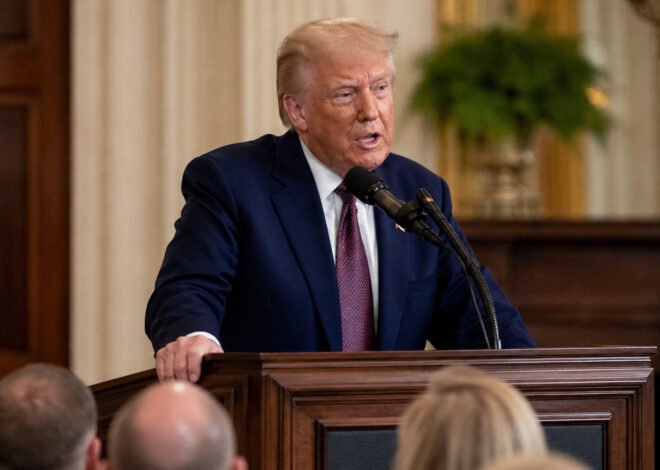
- Presidential Signaling: President Trump has indicated that an agreement securing the safe passage of vessels through this vital shipping chokepoint could be finalized as early as today.
- Dual-Track Volatility: The region remains in a state of high alert as geopolitical instability in the Levant parallels delicate negotiations in the Persian Gulf.
Navigating the Dual Crisis in the Middle East
The current volatility across the Middle East represents a complex interplay of localized security threats and global economic imperatives. While the conflict in southern Lebanon poses an immediate risk to regional stability, the simultaneous negotiation surrounding the Strait of Hormuz highlights the global interconnectedness of the Middle East’s security architecture. Policymakers are currently balancing the necessity of deterrence on the northern front with the urgent requirement for maritime security in the Gulf.
The Northern Front: Resumption of Hostilities
Following a period of relative calm, the situation in southern Lebanon has deteriorated rapidly. The Israeli Defense Forces (IDF) confirmed the resumption of targeted strikes against positions they identified as critical infrastructure for Hezbollah. The stated justification for these operations centers on a series of ceasefire violations that Israeli intelligence officials claim were orchestrated by Hezbollah militants.
These violations, according to reports, include the repositioning of heavy armaments and the continued utilization of subterranean networks that contravene the existing diplomatic agreements. For regional observers, this escalation serves as a stark reminder of the fragility of the status quo in the Levant. The resumption of kinetic activity not only creates an immediate humanitarian and security concern but also complicates broader regional diplomatic efforts, as the potential for miscalculation remains high. Military analysts note that the precision of these strikes suggests a strategy focused on degrading specific capabilities rather than initiating a wider, full-scale conflict, though the risk of escalation remains a constant variable.
The Strait of Hormuz: A Global Chokepoint
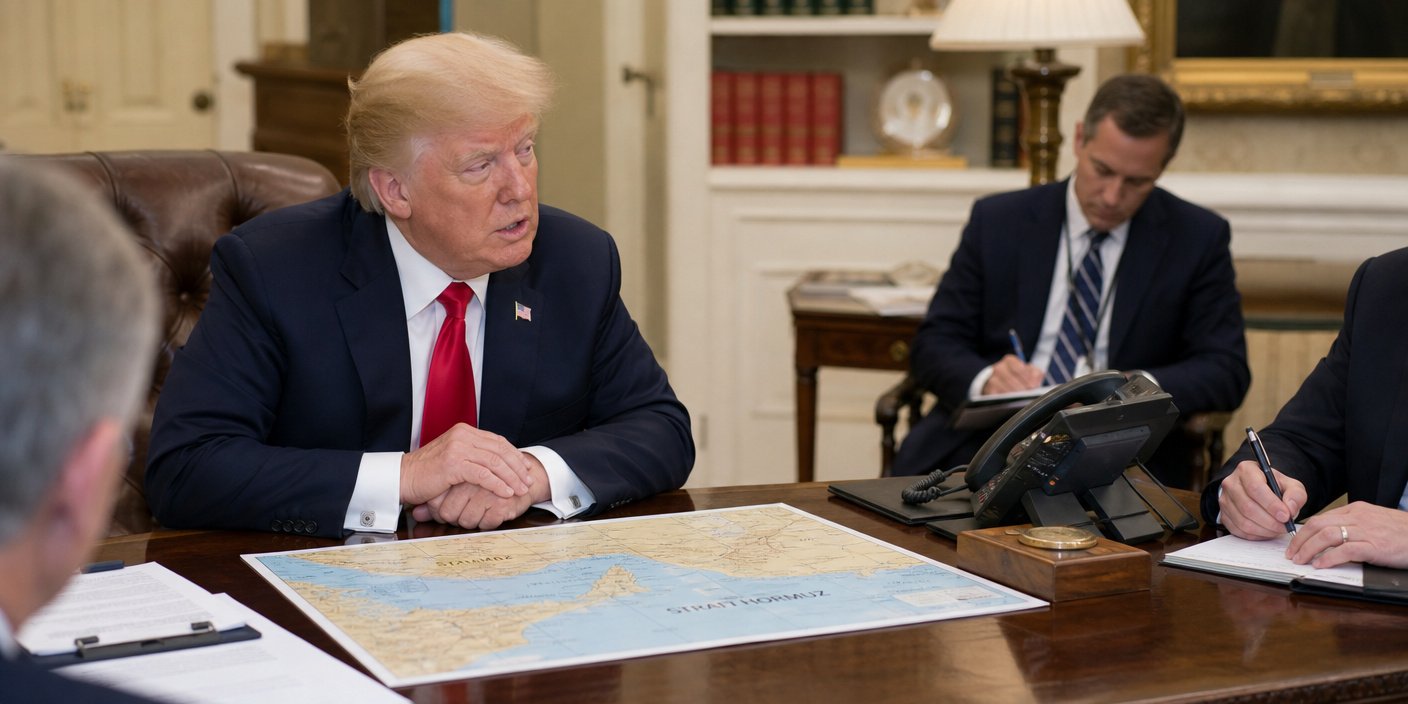
While attention is fixed on the northern front, the diplomatic machinery is working at full capacity to address the ongoing instability in the Strait of Hormuz. This narrow waterway, which separates Iran and Oman, serves as the world’s most critical oil chokepoint. Approximately 20% to 30% of global oil consumption passes through this 21-mile-wide passage daily. Any disruption to traffic here does not merely affect regional politics; it has an instantaneous, profound impact on global energy prices, logistics, and supply chain integrity.
For months, the Strait has been a point of contention, characterized by increased naval posturing and concerns over the potential for seizures of commercial tankers. The U.S.-led initiative to formalize a secure transit corridor is designed to provide a legal and military framework that guarantees freedom of navigation. This effort is not merely about security; it is an economic imperative for the global economy, as insurers and shipping conglomerates have demanded guarantees before committing vessels to the route.
Diplomatic Velocity and the Trump Administration’s Role
President Trump has personally engaged in the diplomatic push to resolve the impasse at the Strait of Hormuz. Sources within the administration suggest that the breakthrough hinges on a multi-party understanding that would involve guarantees of non-interference in exchange for economic concessions. By signaling that an agreement could be reached as early as today, the administration is betting on a high-speed diplomatic exit strategy to stabilize energy markets before a prolonged disruption occurs.
This approach marks a shift toward leveraging personal diplomacy to resolve entrenched regional disputes. Whether this momentum can be maintained depends on the willingness of all regional stakeholders to adhere to the framework, even as the situation in Lebanon continues to generate friction. The administration’s gamble is that a diplomatic win in the Persian Gulf will create a stabilizing effect that reverberates across the entire Middle Eastern theater.
Economic Consequences of a Maritime Breakthrough
The potential agreement regarding the Strait of Hormuz carries significant weight for global financial stability. Analysts at major energy trading firms have noted that a successful resolution would likely trigger an immediate, albeit temporary, stabilization in oil futures. The current ‘risk premium’ baked into global oil prices—a direct result of uncertainty in the Strait—would likely dissipate, providing much-needed relief to global inflationary pressures.
Conversely, should negotiations falter today, the market response is expected to be swift. Energy traders remain hyper-vigilant, with ‘buy’ orders prepared in the event of a diplomatic breakdown. The correlation between the diplomatic timeline and market volatility is historically high, making today’s developments a bellwether for the immediate future of the global economy.
Future Regional Security Architectures
Beyond the immediate headlines, this crisis forces a conversation about the long-term regional security architecture. The reliance on U.S. intervention to secure the Strait and the perennial nature of the conflict on the Israeli-Lebanese border suggest that the current framework is insufficient for long-term peace. Emerging discussions indicate a potential push for a more localized, multilateral security pact that would reduce the reliance on external actors for regional maritime protection.
However, the path to such an architecture is blocked by deep-seated political mistrust. Until regional powers can find a baseline for cooperation that persists through periods of military tension, the Middle East will likely remain trapped in a cycle of crisis and temporary diplomatic bandage solutions. The events unfolding today serve as a microcosm of this broader struggle, demonstrating both the fragility of the current order and the desperate, ongoing search for a sustainable path forward.
FAQ: People Also Ask
1. Why is the Strait of Hormuz considered so critical to global markets?
The Strait of Hormuz is the world’s most important oil chokepoint. It is the transit point for roughly one-fifth of the world’s total oil consumption. Any closure or significant interference causes immediate global price volatility, as there are very few viable alternative routes for the tankers that traverse the passage.
2. What is the current status of the Lebanon-Israel ceasefire?
The ceasefire has been effectively compromised. Israel has resumed targeted strikes, alleging that Hezbollah has violated the terms of the agreement. These violations primarily involve the movement of military equipment and the use of banned operational zones in southern Lebanon.
3. How is the Trump administration involved in the Strait of Hormuz negotiations?
President Trump is leading a diplomatic effort to secure an agreement that guarantees the free and safe passage of commercial vessels through the Strait. The goal is to establish a maritime framework that prevents tanker seizures and allows for the predictable flow of energy resources, with officials indicating an agreement could be reached imminently.
4. What are the economic implications if these diplomatic talks fail?
If the negotiations fail, market analysts predict a rapid increase in oil prices due to ‘risk premium’ pricing. This would likely exacerbate inflationary pressures globally, as logistics costs rise and shipping companies pass those costs on to consumers through increased transport surcharges.


Related Posts