
Fashion Industry Pulse: P.E. Nation’s Decade & Aje’s NYC Denim Pivot
The Australian fashion landscape has experienced a week of significant convergence, where heritage luxury meets high-performance activewear and experiential retail. As major players celebrate long-term growth and others pivot toward global expansion, the industry is witnessing a distinct recalibration of how brands engage with their audiences. Whether through the lens of art, the utility of denim, or the nostalgia of a photo booth, these milestones reflect a broader trend: the necessity of creating tangible, memorable brand experiences in an increasingly digital marketplace.
A Decade of P.E. Nation: Redefining Athleisure
Few brands have defined the evolution of ‘street-meets-sport’ quite like P.E. Nation. Founded in 2014 by Pip Edwards and Claire Tregoning, the label has spent the last ten years transforming the perception of activewear from gym-exclusive gear to a staple of the global ‘off-duty’ wardrobe. The 10-year anniversary celebration marks not just a chronological achievement, but a structural one. In an industry where trends cycle rapidly, P.E. Nation’s ability to maintain a distinct, recognizable aesthetic—characterized by bold color blocking, high-contrast branding, and functional silhouettes—is a masterclass in brand consistency.
By successfully bridging the gap between high-fashion editorial appeal and practical sportswear, the brand has effectively exported the ‘Australian lifestyle’ aesthetic to international markets. Their growth trajectory offers a case study for emerging designers: focus on a specific, non-negotiable brand identity early, and prioritize cross-category versatility. As the brand moves into its second decade, the focus appears to be shifting toward sustainable longevity, ensuring that their rapid expansion does not come at the cost of the environmental stewardship now demanded by their global consumer base.
Paspaley’s Artistic Evolution: The Tsering Hannaford Residency
While activewear dominates the streets, the world of fine jewelry remains rooted in the concept of permanence and heritage. Paspaley, the preeminent name in Australian pearls, has made a strategic move to blend these worlds by appointing renowned artist Tsering Hannaford as their 2026 Artist in Residence. Hannaford, celebrated for her hyper-realistic portraiture and meticulous attention to light, brings a unique philosophical lens to the brand.
This appointment is a clear deviation from traditional luxury marketing, which often relies on celebrity ambassadorships. Instead, Paspaley is investing in the narrative of the ‘art of jewelry.’ By commissioning an artist to interpret the essence of the Paspaley pearl, the brand is elevating its product to the status of a fine art object. This creates a cultural halo effect, signaling to the market that the brand values craftsmanship and intellectual inquiry over transient popularity. It is a sophisticated play that distinguishes Paspaley within a crowded luxury sector, framing their pearls not just as accessories, but as subjects worthy of artistic study.
Aje’s Global Denim Diplomacy in New York
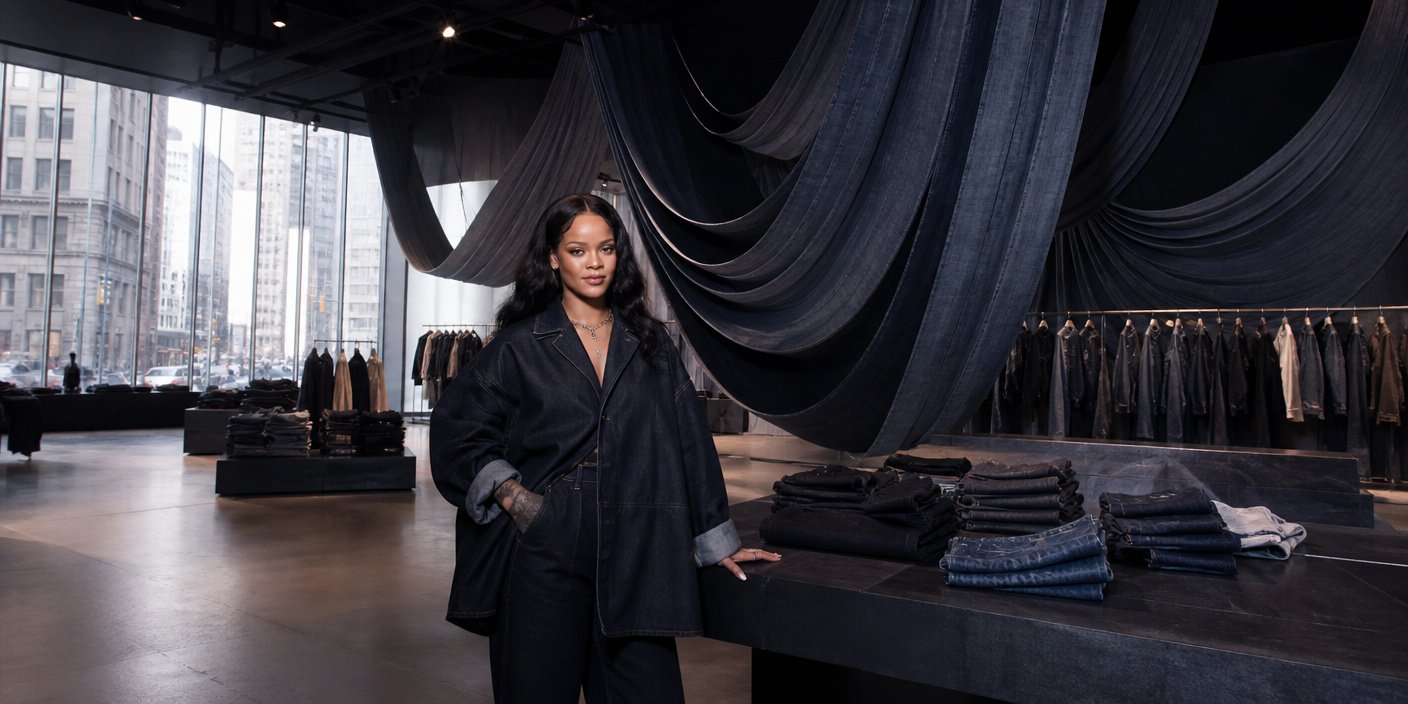
Turning toward the tactical expansion of established labels, Aje’s recent global denim campaign launch in New York City represents a pivotal moment for the brand’s international strategy. New York remains the ultimate proving ground for Australian brands attempting to crack the Northern Hemisphere. By centering their latest campaign on denim—a foundational element of the global closet—Aje is leveraging a high-volume category to introduce its unique ‘undone-meets-refined’ aesthetic to a new audience.
The launch event was more than a runway presentation; it was an exercise in brand immersion. Denim is inherently democratic, but in the hands of Aje, it is being positioned as a premium fashion statement. This pivot suggests a wider industry trend where brands are doubling down on core categories that balance high-street accessibility with luxury detailing. For Aje, the success of this New York initiative could determine the speed at which they infiltrate the European and North American retail circuits.
The St. Agni Experience: Tactile Luxury Meets Digital Engagement
Perhaps the most telling development of the week was St. Agni’s strategic use of the photo booth activation. In an era dominated by social media consumption, ‘physicality’ has become the ultimate luxury. St. Agni, known for its minimalist, slow-fashion approach, understands that in-store foot traffic must be earned through shared, interactive experiences.
The photo booth is not merely an amenity; it is a conversion tool. By offering a high-quality, ‘grammable’ experience, the brand encourages organic user-generated content, which remains the most trusted form of marketing. This activation aligns perfectly with the brand’s quiet luxury ethos: it is understated, stylish, and inherently social. It demonstrates that even the most minimalist brands must lean into experiential retail to stay relevant in a cluttered attention economy.
Secondary Angles: Exploring the Industry Shift
1. The Rise of ‘Slow’ Experiential Retail: The success of activations like the St. Agni photo booth highlights a shift. Customers are no longer shopping just for the product; they are shopping for the ‘content’ of the experience. We are seeing a move away from passive retail toward active, participatory environments where the consumer is co-creating the brand image.
2. The ‘Aussie Export’ Phenomenon: The simultaneous success of brands like P.E. Nation and Aje on the global stage indicates that Australian design is no longer seen as a ‘holiday aesthetic.’ It is now synonymous with a specific global lifestyle—effortless, versatile, and high-quality. This shift is reshaping international perception and opening doors for smaller local designers.
3. The Intersection of Art and Luxury Commodities: The Paspaley/Hannaford collaboration suggests that luxury brands are moving toward ‘intellectualized luxury.’ Rather than just selling items, brands are selling the history, the craft, and the artistic process. This elevates the consumer’s connection to the product, transforming a purchase into an investment in cultural capital.


Related Posts


