Style Pivot: Mastering the 2026 Twee Transition
Fashion’s pivot point for the latter half of 2026 has officially arrived. As the sweltering heat of summer begins to wane, the industry is seeing a sophisticated evolution of the ‘twee’ aesthetic—a trend that once dominated the 2010s but has now been thoroughly modernized for a tech-forward, minimalist era. Transitioning your wardrobe does not require a complete overhaul; rather, it demands a strategic recontextualization of summer staples against the backdrop of cooling temperatures. By utilizing specific texture layering and a refined color palette, consumers can seamlessly bridge the gap between their lightweight seasonal favorites and the structured demands of autumn.
Key Highlights
- Modernized Twee: The resurgence of the ‘twee’ aesthetic focuses on structured silhouettes, Peter Pan collars, and Mary Janes, stripped of the original 2010s kitsch in favor of clean lines and elevated materials.
- Texture Layering: The primary strategy for a smooth transition involves pairing sheer summer textiles, like silk and cotton voile, with heavy fall weights such as heavy-gauge wool, suede, and corduroy.
- Chromatic Transition: The shift from summer’s vibrant ‘butter yellow’ to autumnal ‘espresso’ and ‘deep plum’ hues is achieved by introducing these darker neutrals as anchoring accessories.
- Economic Efficiency: Embracing a ‘seasonless’ approach to styling significantly increases the cost-per-wear ratio of garments, a critical metric for the mindful consumer in the current economic landscape.
The 2026 Twee Renaissance: From Kitsch to Class
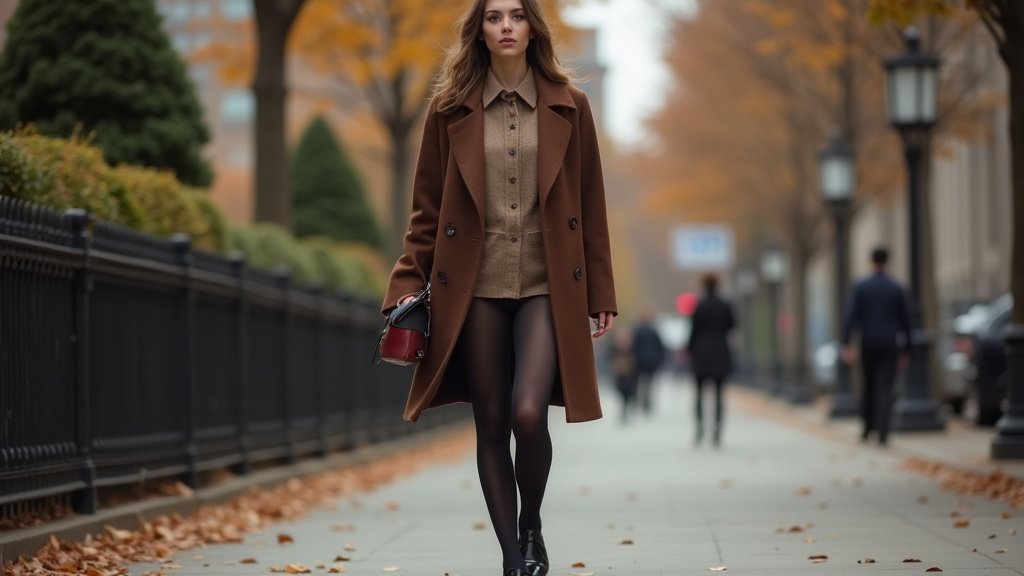
The most significant trend defining the 2026 fashion cycle is the sophisticated re-emergence of the twee aesthetic. Unlike its predecessor, which relied heavily on patterns and overt whimsicality, the 2026 iteration—often highlighted by analysts at WGSN—prioritizes ‘intentionality.’ We are seeing a shift toward tailored cardigans and structured ballet flats that offer a nod to femininity without sacrificing professionalism. For the summer-to-fall transition, the focus remains on the versatility of these pieces. A lightweight summer dress, once paired with simple sandals, can be instantly transitioned to an autumn look by layering a high-neck, long-sleeved bodysuit underneath and pairing the outfit with opaque tights and leather loafers. This approach maintains the airy feel of the summer piece while introducing the necessary warmth for cooling days.
Texture Mapping: The Science of Layering
Transitioning successfully requires a fundamental understanding of fabric weight and heat retention. Industry standards set by Milan Fashion Week 2026 collections suggest a ‘high-low’ mixing technique. By placing a heavy-weight item (like an oversized cable-knit sweater or a suede vest) over a light-weight base (a silk slip dress or poplin shirt), you create a visual depth that feels deliberate rather than accidental. This ‘texture mapping’ is not merely an aesthetic choice; it is a thermal management strategy. The air trapped between the layers acts as an insulator, allowing for comfort as temperatures fluctuate between the late-summer afternoons and the early-autumn mornings. Experts recommend prioritizing natural fibers—wool, cashmere, and raw silk—which regulate temperature better than synthetic alternatives, enhancing the garment’s longevity and performance.
Chromatic Shifts: The Pantone Influence
Color theory plays a pivotal role in the transition. While Summer 2026 was defined by ‘Solar Yellow’ and ‘Sky Blue,’ the upcoming autumn forecast from the Pantone Color Institute calls for a shift toward ‘Earth-Grounded’ tones: espresso brown, deep plum, and moss green. To avoid buying an entirely new wardrobe, savvy stylists are using the ‘anchoring’ technique. By taking a bright summer base—for example, a butter-yellow blouse—and grounding it with a heavy espresso-colored blazer or a dark corduroy skirt, you retain the summer energy while visually anchoring the look for autumn. This juxtaposition creates a dynamic tension that is highly coveted in contemporary street style.
Sustainability and the ‘Seasonless’ Wardrobe
The economic impact of the ‘seasonless’ movement is reshaping retail strategies in late 2026. With rising costs in the textile industry, consumers are increasingly demanding durability and versatility. The concept of the ‘capsule wardrobe’ has evolved; it is no longer about having few items, but about having items that perform across multiple climates. Brands are responding by releasing collections designed for ‘trans-seasonal’ wear, emphasizing pieces that can be easily layered. This shift directly addresses the sustainability concerns that have plagued the industry for years, as the focus moves away from fast-fashion micro-trends toward investment pieces that can survive multiple seasonal cycles.
Historical Parallels: 2012 vs. 2026
Reflecting on the history of the twee aesthetic, the 2012 era was defined by chaotic patterns and excessive accessorizing—a reaction to the financial downturn of the late 2000s. In contrast, 2026’s version is a reaction to the digital fatigue of the mid-2020s. We are seeing a return to tactile, physical experiences in fashion. The resurgence of materials like velvet and heavy denim suggests a desire for grounding in a digital-first world. While the silhouette feels familiar to those who grew up in the 2010s, the execution is vastly different, prioritizing quality over quantity and structural integrity over fleeting design elements.
FAQ: People Also Ask
Q: What is the most important piece for the Summer-to-Fall transition?
A: The consensus among stylists is the ‘oversized blazer.’ It functions as a lightweight layer in late summer and an essential outerwear piece when paired with a wool scarf as temperatures drop.
Q: How do I incorporate ‘twee’ without looking like a costume?
A: Focus on the ‘minimalist twee’ approach. Choose one statement item, like a Peter Pan collar blouse or a structured Mary Jane shoe, and pair it with modern, neutral staples like wide-leg trousers or a classic trench coat.
Q: Are sheer fabrics still relevant in autumn?
A: Yes, but the context must change. Sheer skirts or dresses should be layered over opaque basics, such as high-quality ribbed leggings or silk slips, to provide the necessary coverage and warmth while maintaining the aesthetic interest of the sheer textile.


Related Posts