Nvidia Snaps Up Hugging Face in $12.9B AI Power Move
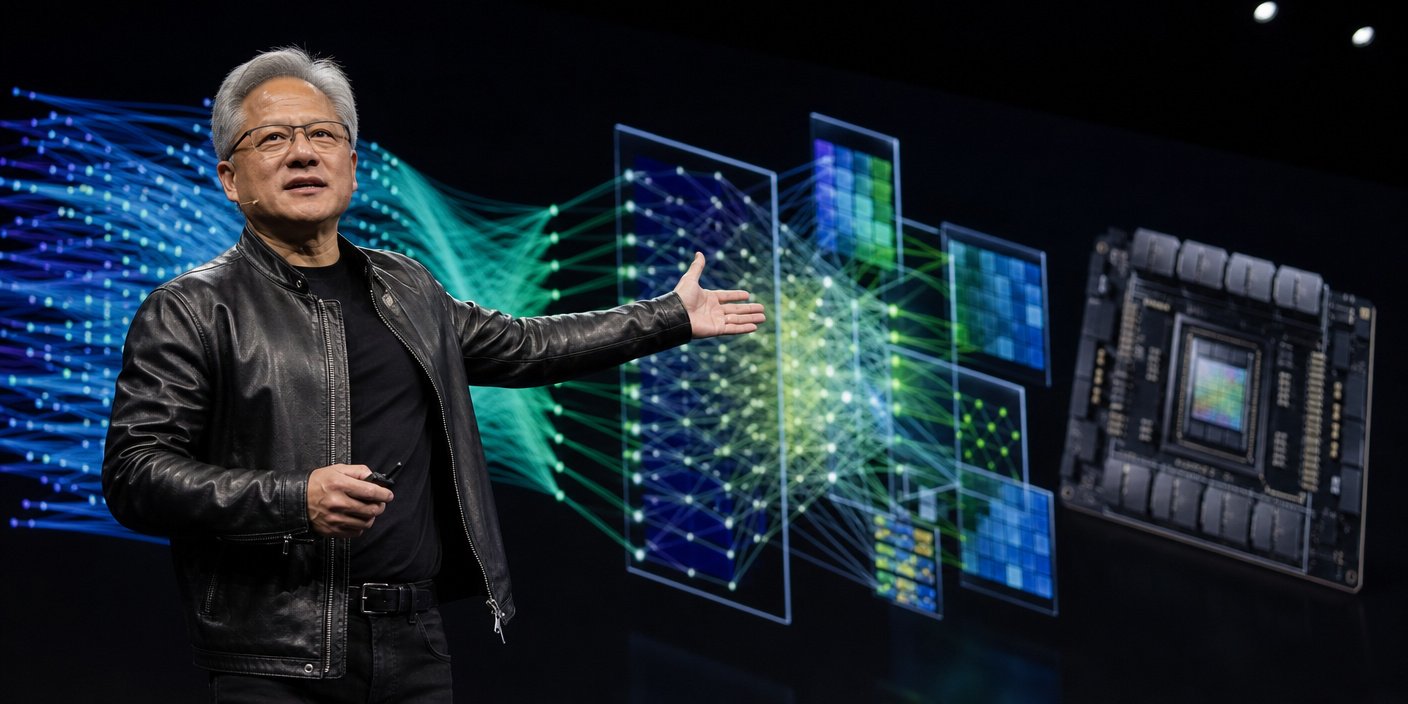
In a move that signals the next phase of the artificial intelligence arms race, Nvidia has officially acquired Hugging Face, the premier open-source AI developer platform, in a deal valued at $12.9 billion. This acquisition marks one of the most significant consolidations in the history of machine learning, effectively wedding the world’s most dominant hardware manufacturer with the most widely used collaborative repository for AI models. The market responded with immediate optimism, as Nvidia shares climbed 1.8% in early trading following the announcement, reflecting investor confidence in the company’s pivot from a pure hardware supplier to an end-to-end AI infrastructure provider.
Key Highlights
- Deal Valuation: Nvidia has acquired Hugging Face for a total of $12.9 billion, a massive premium reflecting the platform’s critical role in the AI supply chain.
- Market Impact: Nvidia stock saw an immediate 1.8% increase, underscoring strong Wall Street approval of the vertical integration strategy.
- Strategic Consolidation: The merger positions Nvidia to control the entire AI stack, from the H100 GPUs that train models to the platforms where developers build, test, and host them.
- Open Source Implications: The future of Hugging Face’s open-source ethos remains a focal point for the developer community, as the platform transitions to corporate ownership under the Nvidia umbrella.
The Architecture of Control: Analyzing the Nvidia-Hugging Face Merger
The acquisition of Hugging Face by Nvidia represents far more than a typical tech buyout; it is a fundamental restructuring of how artificial intelligence is produced, disseminated, and deployed. For the better part of the last decade, Hugging Face has functioned as the ‘GitHub of AI,’ providing a centralized hub where researchers and developers share models, datasets, and demo apps. By bringing this entity into the fold, Nvidia is no longer just selling the shovels for the AI gold rush—they are now buying the gold mine itself.
Integrating the AI Stack: Hardware Meets Software
Historically, Nvidia’s dominance has been rooted in its CUDA software ecosystem, which essentially ‘locks’ developers into its hardware. However, the software layer of AI development has been largely agnostic, with many developers using Hugging Face to host models that run across various hardware backends. With this $12.9 billion acquisition, Nvidia gains a massive, direct channel to the millions of developers who rely on Hugging Face’s infrastructure.
Industry analysts anticipate a seamless ‘Nvidia-first’ integration. Developers can expect enhanced support for optimizing models specifically for Nvidia’s GPU architecture directly within the Hugging Face hub. This could drastically reduce the friction for deploying Large Language Models (LLMs), essentially creating a ‘one-click’ deployment path from the Hugging Face repository to Nvidia-powered enterprise cloud environments. This vertical integration is a masterstroke in competitive strategy, potentially creating a walled garden that competitors like AMD or custom silicon manufacturers will struggle to penetrate.
The Open Source Dilemma and Future Dynamics
Perhaps the most pressing question following the announcement is the fate of Hugging Face’s commitment to open-source development. Hugging Face built its reputation on democratic access to AI, allowing small teams to access state-of-the-art models that were previously available only to well-funded research labs or massive corporations.
Under Nvidia’s ownership, the community is watching closely to see if this ethos remains intact. If Nvidia restricts access or tilts the platform heavily toward proprietary, Nvidia-only technologies, it risks alienating the very developer base that makes the platform valuable. Conversely, if Nvidia manages to leverage its vast R&D budget to accelerate the platform’s capabilities while maintaining its open-access model, this acquisition could usher in an era of unprecedented productivity for the global AI community. The challenge for CEO Jensen Huang will be balancing corporate profitability with the ‘open’ spirit that attracted the massive user base to begin with.
Valuation Metrics in the Age of Generative AI
The $12.9 billion price tag is a staggering figure, particularly when evaluating traditional revenue metrics. However, in the context of the Generative AI explosion, this valuation is likely anchored in user data, platform stickiness, and the long-term value of the developer ecosystem. By capturing the primary destination for AI researchers, Nvidia is securing a massive pipeline of talent and intellectual property. The 1.8% surge in Nvidia’s share price suggests that the market views this as a defensive and offensive moat-building exercise, ensuring that no competitor can easily displace Nvidia’s hardware dominance by leveraging a neutral software platform.
FAQ: People Also Ask
Q: What does this acquisition mean for Hugging Face users?
A: While specifics are still emerging, users can expect deeper integration with Nvidia’s hardware ecosystem. The goal appears to be streamlining the workflow for developers, though concerns about corporate influence on the platform remain a topic of community discussion.
Q: How will the $12.9 billion deal affect the market?
A: The market has already responded favorably, with a 1.8% rise in Nvidia shares. It signals a move toward total vertical integration in AI, which investors perceive as a way to fortify Nvidia’s long-term competitive advantage.
Q: Will Nvidia change Hugging Face’s open-source policies?
A: Nvidia has signaled a commitment to the platform’s mission, but the developer community is vigilantly monitoring for any shift toward restrictive or proprietary-focused policies. The success of the acquisition depends heavily on maintaining trust with the core user base.
Q: Is this the largest acquisition in Nvidia’s history?
A: While Nvidia has pursued other large-scale acquisitions, this deal is significant for its focus on software and developer community infrastructure rather than traditional semiconductor manufacturing.


Related Posts