SCOTUS Blocks Trump Bid to Alter Minnesota Mail Voting
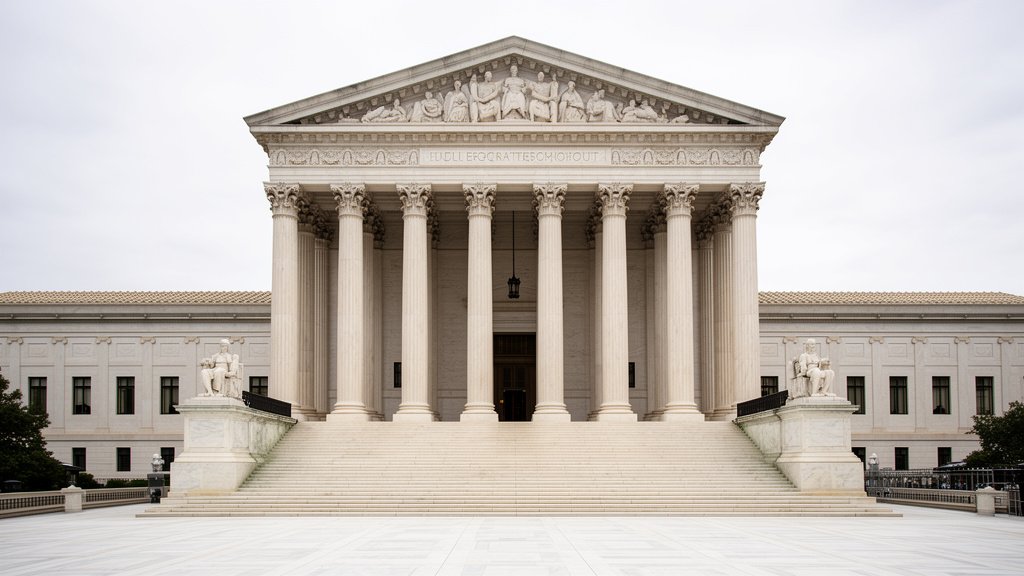
In a pivotal decision for election administration, the U.S. Supreme Court declined to intervene in Minnesota’s mail-in voting protocols, effectively upholding existing state guidelines that permitted a grace period for mail-in ballots. This legal maneuver solidified the state’s procedures for the 2020 general election, rebuffing a direct challenge from the Trump campaign and the Republican Party of Minnesota, who sought to restrict the receipt of ballots to Election Day itself. By refusing to stay the lower court’s decision, the High Court signaled a significant moment for the limits of federal intervention in state-run electoral processes during the height of the pandemic-era election cycle.
Key Highlights
- Court Action: The U.S. Supreme Court denied a request from the Trump campaign and the Republican Party of Minnesota to block the state’s extended mail-in voting deadline.
- The Grace Period: The ruling preserved a seven-day grace period for mail-in ballots, allowing them to be counted if postmarked by Election Day, even if they arrived at election offices after polls closed.
- State vs. Federal Authority: The decision underscored the judiciary’s hesitation to disrupt established state election procedures shortly before voters headed to the polls.
- Impact on 2020: The outcome ensured that Minnesota voters utilizing mail-in options faced no last-minute changes to the rules they had relied upon throughout the weeks leading up to November 3.
The Legal Battleground: Protecting State Electoral Sovereignty
The fundamental conflict in this case centered on the extent to which federal courts—and ultimately the U.S. Supreme Court—should modify state-mandated election laws. At the heart of the dispute was the Minnesota Supreme Court’s earlier ruling, which approved an extension allowing election officials to count mail-in ballots received up to seven days after Election Day, provided they were postmarked by the November 3 deadline. The Republican petitioners argued that this extension, instituted by the Minnesota Secretary of State Steve Simon amid the COVID-19 pandemic, circumvented the authority of the state legislature and created potential for electoral confusion and unauthorized ballot counting.
However, the legal landscape regarding the “Independent State Legislature” theory—an argument often utilized to suggest that state legislatures hold nearly absolute power over federal election rules—remained highly contentious. By declining the emergency request to stay the Minnesota Supreme Court’s decision, the High Court avoided a definitive ruling on the merits of that controversial legal theory in this specific instance. Instead, the decision maintained the status quo, prioritizing the stability of established voting procedures over the plaintiffs’ demand for immediate federal intervention.
The Role of the USPS and Ballot Integrity
A secondary but critical angle in this discourse involved the role of the U.S. Postal Service (USPS) and the logistical capacity for mail delivery. During the 2020 election cycle, there was widespread concern regarding potential mail delivery delays due to increased volume and administrative changes within the USPS. Proponents of the extension argued that a grace period was a vital safeguard to protect the constitutional rights of voters who had done everything correctly—mailing their ballots on time—but whose votes might be disenfranchised due to systemic postal delays beyond their control. The decision to uphold the extension acknowledged the reality of these logistical hurdles, ensuring that valid ballots were not discarded simply due to post-office processing times.
Historical Precedent and Future Electoral Litigation
The Minnesota ruling serves as a vital case study in the broader trend of “election litigation” that defined the 2020 cycle. This case highlights how partisan litigation has shifted from post-election disputes to pre-election rules-setting. By challenging the deadlines in advance, political parties sought to shape the “rules of the game” before the first ballot was ever cast.
Looking toward future election cycles, this ruling demonstrates a nuanced approach by the Supreme Court: while the Court has frequently intervened in other states to block similar extensions, its refusal to do so in Minnesota suggests that it considers the specific procedural history and state-level legal precedents of each individual jurisdiction. This “case-by-case” approach creates a patchwork of election rules across the United States, forcing voters to navigate a complex and often contradictory set of regulations depending entirely on the state in which they reside. This fragmentation remains a significant point of concern for voting rights advocates who argue for a more uniform federal standard.
The Administrative Burden on Local Officials
Beyond the headlines and the high-level legal arguments, the case had a profound impact on the local election officials tasked with implementing these changes. Changing the rules on the eve of an election is an administrative nightmare. By upholding the state-level decision, the Supreme Court spared Minnesota election administrators from having to pivot their logistics, retrain staff, or communicate new deadlines to millions of voters in a high-pressure environment. The decision allowed the state to stick to its original plan, proving that legal predictability is often as important to the integrity of an election as the rules themselves.
Ultimately, the Supreme Court’s refusal to act in the Minnesota case cemented the state’s reliance on a mail-in system that prioritized accessibility. It reinforced the idea that while federal courts have the power of oversight, there is a tangible value in respecting the decisions of local courts and election administrators who are closer to the logistical reality of the voting process. As the nation continues to debate the balance between ballot security and voter access, the Minnesota case remains a defining benchmark of this modern era of election law.
FAQ: People Also Ask
Why was the Trump administration challenging the Minnesota rules?
The Trump campaign argued that the extension of the mail-in ballot deadline was an illegal encroachment on the authority of the state legislature, which should have sole power over election administration, and that the extension created potential for fraud.
Did this ruling affect all mail-in ballots?
The ruling specifically applied to the procedures surrounding the grace period for mail-in ballots postmarked by Election Day. It did not invalidate mail-in voting as a whole, nor did it change the deadline for requesting a ballot.
What happened to the ballots received after the deadline?
Under the preserved rules, ballots received within the seven-day grace period that were postmarked on or before Election Day were processed and counted, ensuring that voter intent was preserved despite potential postal delays.
Is this considered a permanent ruling?
It was an emergency order concerning the 2020 general election cycle. It does not necessarily set a permanent constitutional precedent for all future elections, as election laws are subject to ongoing litigation and legislative changes at the state level.


Related Posts