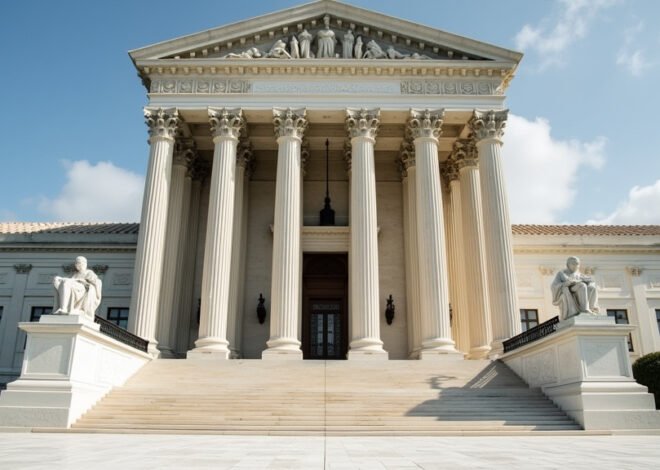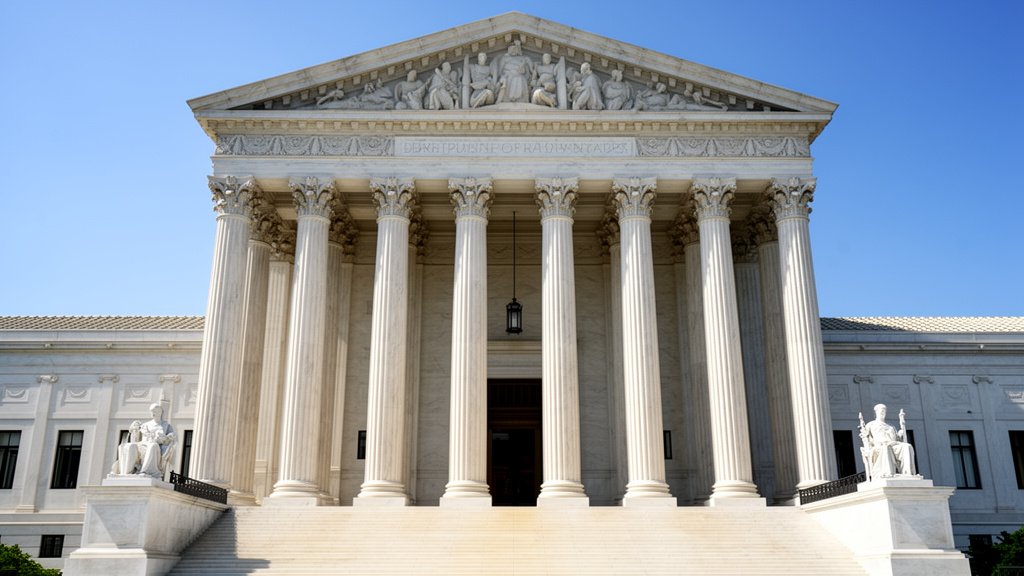
SCOTUS Urged to Overturn USPS Ballot Restrictions
The Trump Administration has escalated its legal challenge to mail-in voting restrictions, filing an emergency appeal with the Supreme Court of the United States (SCOTUS) to lift a federal judge’s injunction that prevents the United States Postal Service (USPS) from enforcing new ballot delivery rules. This high-stakes legal maneuver arrives as the executive branch attempts to maintain control over administrative procedures that have become central to the debate over electoral integrity and voter access.
Key Highlights
- Emergency Appeal: The Department of Justice (DOJ) is requesting an emergency stay to vacate a nationwide injunction issued by a federal judge, which halted specific operational changes at the USPS.
- The Injunction: The federal ruling, led by U.S. District Judge Stanley Bastian, restricted the USPS from implementing policies that critics argued were systematically delaying mail-in ballot processing.
- Administrative Authority: The core legal argument rests on the administration’s assertion that the USPS maintains operational discretion to improve efficiency, while plaintiffs argue these changes constitute voter suppression.
- National Impact: With millions of voters relying on mail-in ballots due to the ongoing pandemic and logistical shifts, the Supreme Court’s decision on this stay could determine the speed and reliability of the nationwide vote count.
The Legal Battle Over Mail-In Ballot Integrity
The dispute centers on sweeping operational changes introduced at the United States Postal Service under Postmaster General Louis DeJoy. These changes, which included the removal of high-speed mail sorting machines, the elimination of overtime, and the prohibition of late or extra trips to ensure timely mail delivery, drew immediate scrutiny from state attorneys general and civil rights organizations.
Plaintiffs argued that these policies were not merely cost-cutting measures, but a coordinated effort to slow the delivery of mail-in ballots, thereby disenfranchising voters who rely on the postal system. In response, Judge Stanley Bastian of the Eastern District of Washington granted a preliminary injunction, asserting that the administration had encroached upon the fundamental right to vote. The Justice Department, representing the federal government, has now petitioned the Supreme Court to intervene, arguing that the judicial branch has overstepped its bounds in regulating the day-to-day operations of an executive agency.
Dissecting the Department of Justice’s Arguments
The DOJ’s filing with the Supreme Court emphasizes the doctrine of administrative deference. Government lawyers contend that federal courts lack the authority to micromanage the logistical strategies of a federal agency like the USPS. The administration posits that the sorting machine removals and the alterations to delivery schedules were part of a long-overdue modernization effort designed to address the agency’s persistent financial deficits.
Furthermore, the government argues that the injunction creates a “disruptive interference” with the agency’s ability to allocate resources effectively. By forcing the USPS to prioritize mail-in ballots in a specific manner, the government suggests that the court is imposing a standard that is not mandated by federal statute. This legal philosophy, often championed by conservative jurists, seeks to limit judicial intervention in executive branch decision-making processes, particularly when those decisions are framed as routine operational adjustments rather than policy shifts targeting protected constitutional rights.
The Opposition: Protecting Voter Access
On the other side of the courtroom, the plaintiffs, comprising a coalition of states and voting rights advocates, maintain that the timing of these changes was inherently suspicious. By implementing significant alterations to postal operations mere weeks before a federal election, they argue, the administration created an environment of chaos that disproportionately affects mail-in voters.
Plaintiffs point to the technical data showing a marked decline in on-time delivery rates following the implementation of the new policies. They argue that the injunction is a necessary safeguard to ensure that the USPS fulfills its primary mandate: the reliable delivery of election-related mail. For these plaintiffs, the right to vote is not merely a theoretical concept but a procedural one; if the infrastructure of voting is compromised, the right itself is effectively negated. The legal team representing the states has urged the Supreme Court to uphold the injunction, arguing that the stability of the electoral process outweighs the administration’s preference for its chosen operational plan.
Secondary Angles: The Broader Implications for Democracy
Beyond the immediate legal arguments, this case raises critical questions about the intersection of bureaucratic efficiency and democratic participation.
1. The Erosion of Institutional Trust: The battle over the USPS is a microcosm of a broader decline in trust toward federal institutions. When administrative agencies become political proxies, the public perception of neutrality—a cornerstone of a stable democracy—is severely compromised.
2. The Precedent of Executive Power: This case will serve as a bellwether for future executive branch autonomy. If the Supreme Court sides with the administration, it signals a reduced role for federal courts in checking the power of independent agencies during election cycles, potentially paving the way for future administrations to manipulate bureaucratic processes to achieve partisan ends.
3. The Logistical Reality of Mail-In Voting: Regardless of the legal outcome, this litigation has highlighted the structural weaknesses of the U.S. postal system when faced with an unprecedented surge in mail-in ballots. The focus has shifted toward whether the country possesses the necessary infrastructure to scale up operations rapidly, a lesson that will likely influence future electoral legislation.
FAQ: People Also Ask
What exactly did the federal judge block?
Judge Stanley Bastian’s injunction blocked the USPS from enforcing policies that required the removal of mail-sorting machines and the restriction of late delivery trips, which were suspected of causing widespread mail delays.
Why is the Trump Administration appealing to the Supreme Court?
The Administration argues that the injunction constitutes an improper “judicial overreach” into the operational management of the USPS, claiming that courts should not be able to direct how an executive agency allocates its own resources.
Could this decision change how mail-in ballots are counted?
Yes. If the Supreme Court lifts the injunction, the USPS could return to its modified operational plan, which critics argue would lead to slower mail delivery. If the court upholds the injunction, the current operational rules—which prioritize election mail—remain in place, theoretically ensuring faster processing.
What are the main concerns regarding the USPS changes?
The primary concern is that the changes implemented under Postmaster General Louis DeJoy were designed to slow down the delivery of mail-in ballots, effectively acting as a form of voter suppression by increasing the likelihood that ballots would arrive after legal deadlines.


Related Posts