World Wellness Weekend Marks 10 Years of Global Health
World Wellness Weekend (WWW) returns for its 10th anniversary from September 18-20, 2026, uniting 187 countries in a massive push for accessible, inclusive health. Founded by Jean-Guy de Gabriac, the initiative empowers communities, fitness clubs, and hospitality leaders to host free, diverse wellness activities, marking a decade of sustained global impact on physical and mental well-being.
Key Highlights
- 10th Anniversary Milestone: Celebrating a decade of global wellness advocacy from September 18-20, 2026.
- 187 Countries Participating: A record-breaking international scope fostering cross-border cooperation in health.
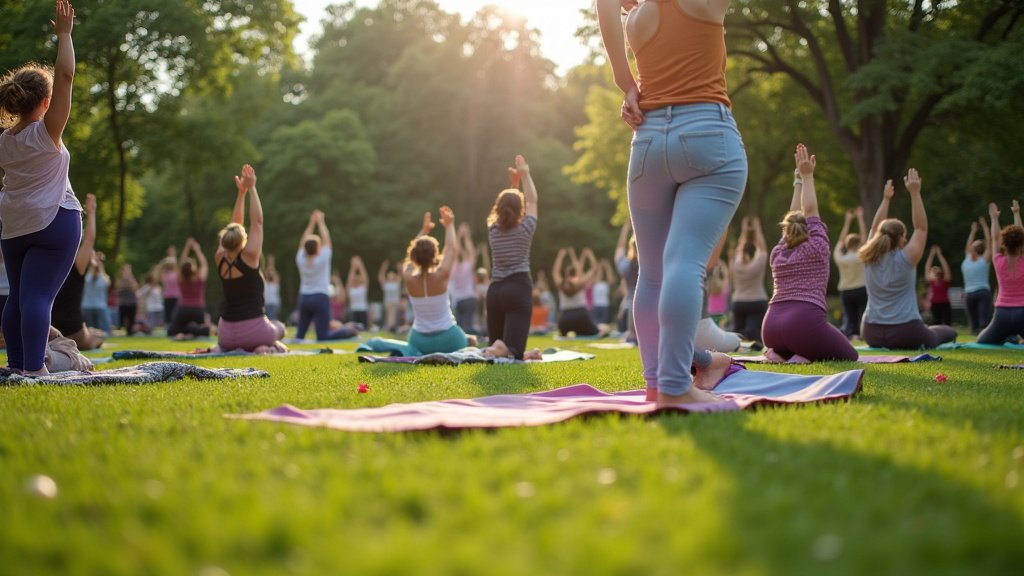
- Community-Led Activations: Thousands of free activities organized by hospitality groups, fitness clubs, and community centers worldwide.
- Core Mission: A steadfast commitment to democratizing wellness by removing financial and social barriers to active, healthy living.
A Decade of Democratizing Global Wellness
Since its inception, the World Wellness Weekend has grown from a visionary concept into a global infrastructure for public health. Founded by Jean-Guy de Gabriac, the project was designed to combat the rising tide of sedentary lifestyles and the isolating nature of modern urban living. As the movement approaches its 10th anniversary, the focus remains firmly on the pillars of accessibility and inclusivity. This year, the events scheduled for September 18-20, 2026, serve as both a celebration of past achievements and a blueprint for the future of community-driven health.
The Vision of Jean-Guy de Gabriac
Jean-Guy de Gabriac’s vision was rooted in a simple yet radical idea: wellness should not be the exclusive domain of the affluent or the athletic. By creating a framework where fitness clubs, yoga studios, spas, and community centers could provide free entry and curated activities, the weekend transformed the landscape of wellness. Over the past ten years, this model has proven that by lowering the barrier to entry, participation rates soar, and health literacy improves. This decade of operation has seen the initiative shift from a grassroots effort into a globally recognized staple of the health calendar.
Scalability and Global Impact: 187 Countries Strong
The logistics of coordinating wellness activations in 187 countries are monumental, yet the World Wellness Weekend has successfully navigated these complexities by utilizing a decentralized organizational model. By empowering local leaders—often referred to as ‘Wellness Ambassadors’—the organization ensures that the activities remain culturally relevant and geographically appropriate. Whether it is a beachside meditation session in Bali or a corporate health workshop in a New York office, the consistency of the theme—inclusion—remains unbroken. This massive network creates a multiplier effect, where the aggregate data from these 187 countries contributes to a better understanding of global health trends, enabling future policy refinements.
Economic and Social Ripple Effects
The economic impact of World Wellness Weekend extends well beyond the three days of activations. By integrating hospitality groups into the wellness ecosystem, the event has popularized the concept of ‘wellness tourism,’ where health-conscious travelers seek destinations that align with their active lifestyles. Hotels and resorts that participate in the weekend see increased guest engagement, fostering a sense of community that persists long after the weekend concludes. Economically, this creates a competitive advantage for businesses that pivot toward wellness, proving that social responsibility and fiscal sustainability are not mutually exclusive.
The Future of Holistic Health Integration
As the initiative looks toward the next decade, the challenge lies in scaling beyond the weekend format. Many participating centers are now exploring ways to make these free, accessible activities a year-round reality. The integration of digital health tracking and virtual community platforms in the 2026 edition suggests a move toward a hybrid model—blending in-person community engagement with digital consistency. The future of the movement seems poised to focus on ‘precision wellness,’ where activities are tailored to the specific health needs of local populations, potentially revolutionizing how public health initiatives are delivered at a municipal level.
FAQ: People Also Ask
1. What is the main goal of World Wellness Weekend?
The primary goal is to democratize wellness by making fitness and health activities free, accessible, and inclusive for everyone, regardless of their current health level or financial status.
2. How many countries are involved in the 2026 anniversary?
World Wellness Weekend 2026 features planned activations across 187 countries, marking a significant milestone in the event’s decade-long history.
3. Who can host an event for World Wellness Weekend?
The initiative invites hospitality groups, fitness clubs, community centers, sports associations, and wellness practitioners to register and host free, public-facing activities that promote a healthy lifestyle.
4. Why is the 10th anniversary considered significant?
The 10th anniversary represents a decade of consistent, scalable growth and confirms that the event’s model of local empowerment and community-led wellness is an effective, sustainable approach to improving public health on a global scale.
5. Are all activities offered during the weekend free?
Yes, a core requirement for official World Wellness Weekend activations is that the designated activities must be free for the public to ensure that financial status is not a barrier to participation.


Related Posts