Gaza Residential Collapse: 20 Dead, 100 Displaced Amidst Infrastructure Crisis
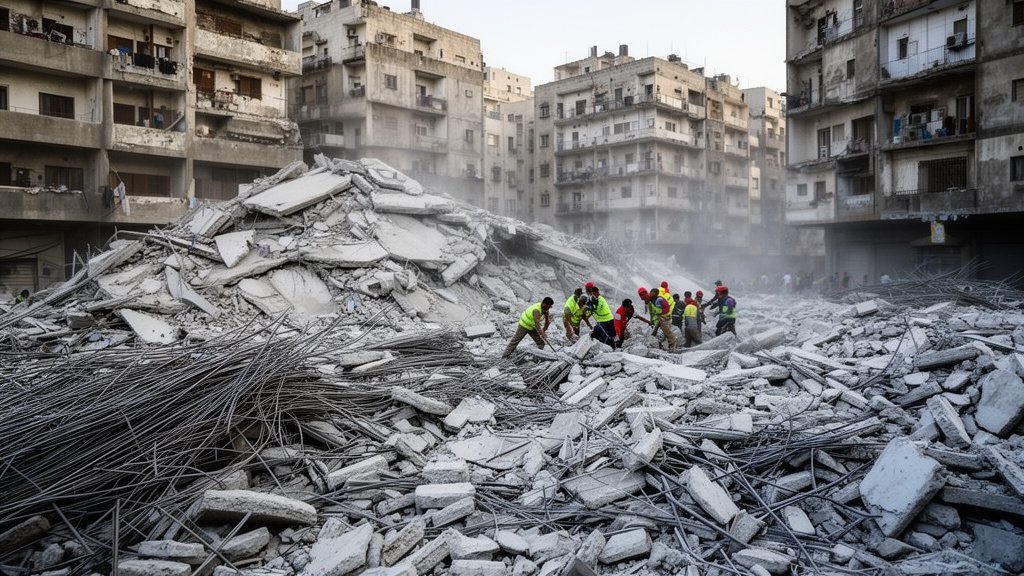
A catastrophic residential building collapse in Gaza has resulted in at least 20 confirmed deaths, compounding the severe humanitarian crisis currently affecting the region. The structure, which served as shelter for approximately 100 displaced individuals, fell in the early hours, trapping residents amidst the rubble. This incident marks a harrowing new chapter in the ongoing struggle for safe housing within the Gaza Strip, where chronic instability and limited resources have rendered many residential buildings structurally vulnerable.
Key Highlights
- Confirmed Casualties: At least 20 individuals have been confirmed dead following the sudden structural collapse.
- Displacement Impact: The building was housing approximately 100 displaced residents, all of whom have been immediately displaced once more.
- Infrastructure Vulnerability: The incident underscores the severe strain on Gaza’s civil infrastructure, which has been weakened by prolonged conflict and a lack of maintenance materials.
- Emergency Response: Local civil defense and rescue teams are currently working to clear debris, hampered by significant equipment shortages and restricted mobility in the area.
The Anatomy of the Collapse and Structural Crisis
The collapse of the residential building in Gaza is not an isolated event but rather a symptom of a broader, systemic failure of civil infrastructure. When a high-density, multi-story building fails, the immediate consequences are loss of life and a spike in displacement, but the secondary impacts—loss of vital supplies, destruction of personal records, and psychological trauma—are equally devastating for the survivors.
Factors Driving Structural Vulnerability
Residential architecture in the Gaza Strip has been under extreme stress for years. The blockade on construction materials has severely limited the ability of homeowners and municipal authorities to perform routine maintenance or conduct necessary structural retrofitting. Many buildings, originally designed for lower occupancy, are currently accommodating multiple families or, in the case of this incident, large groups of displaced individuals. This overcrowding places immense weight and stress on aging concrete frames that were already weakened by previous conflicts. The lack of cement, steel, and technical oversight during necessary repairs means that minor structural fatigue often goes unaddressed, eventually reaching a tipping point where buildings can no longer support their own weight.
The Humanitarian Toll
For the 100 individuals living in the building, the collapse represents a total loss of stability. In humanitarian contexts, displaced populations are often forced into the most vulnerable structures available. The 20 lives lost reflect not only the structural failure but the lack of safe alternatives for those seeking shelter. The humanitarian sector in Gaza continues to warn that without access to stable, reinforced housing and basic construction materials, the risk of similar disasters remains critically high. The displacement of these 100 individuals creates an immediate need for emergency shelter, food, and medical assistance, further stretching the resources of aid organizations like UNRWA and the Gaza Health Ministry, which are already operating at or beyond capacity.
Challenges for First Responders
The response to the collapse has been significantly complicated by the challenging operating environment. Search and rescue operations require heavy machinery—cranes, excavators, and specialized tools to cut through rebar and concrete—many of which are currently in short supply due to fuel shortages and damage to heavy equipment fleets. Local civil defense crews are often forced to use manual labor and rudimentary tools to navigate through unstable piles of rubble, which is both time-consuming and dangerous. The environment is further complicated by the risk of secondary collapses, as the adjacent buildings, often constructed with similar materials and subjected to the same stresses, remain in precarious conditions.
Long-Term Infrastructure Implications
This tragedy highlights the urgent need for a shift in how infrastructure in conflict-affected zones is assessed and managed. International observers have long argued that the stabilization of Gaza requires a sustainable flow of construction materials for civilian use. Without a concerted effort to rehabilitate the housing sector, the recurrence of such collapses is statistically probable. The economic impact is equally staggering; the loss of residential stock makes the eventual recovery of the region more difficult, as housing is a primary prerequisite for economic stability. Moving forward, the focus must shift from emergency response alone to a proactive strategy involving structural engineering assessments, controlled demolition of unsafe ruins, and the establishment of verified, safe-shelter standards, even in the midst of active conflict.
FAQ: People Also Ask
What was the cause of the residential building collapse?
While technical investigations are difficult under current conditions, initial reports and expert analysis point to a combination of structural degradation caused by prolonged lack of maintenance, the strain of overcrowding beyond building capacity, and previous conflict-related damage to the foundation and load-bearing elements.
How many people were affected by the incident?
Reports indicate that at least 20 people were killed in the collapse. The building was home to approximately 100 displaced individuals, all of whom have lost their shelter and possessions.
What are the main obstacles to effective rescue operations in Gaza?
Rescue operations are severely hindered by a lack of heavy machinery, fuel shortages, restricted access to the site due to damaged roads, and the high risk of secondary collapses, which threatens both the survivors and the first responders.


Related Posts